
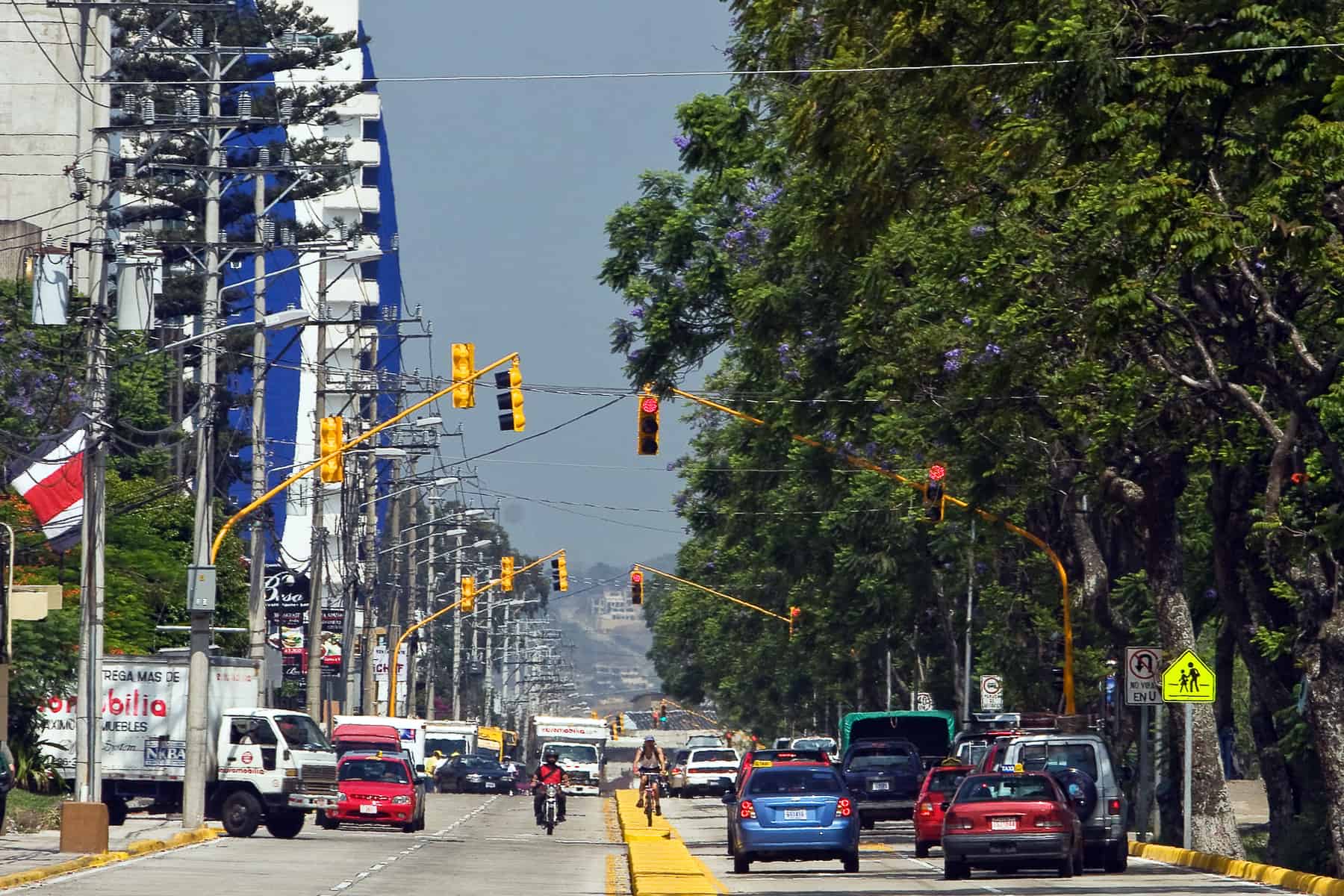
Anyone owning a car in Costa Rica will face higher mandatory insurance costs in 2027, with private vehicles, motorcycles and buses among the categories affected by increases approved today. The General Insurance Superintendency (Sugese) authorized an average 4.03% increase in mandatory automobile insurance premiums, citing a growing number of traffic accidents, more serious injuries and rising medical expenses.
The insurance, known here in Costa Rica as the Seguro Obligatorio de Automóviles (SOA), is included in the annual marchamo payment that vehicle owners must make to legally drive on public roads. For private passenger vehicles, the insurance premium will increase from ₡30,238 in 2026 to ₡31,881 in 2027, an increase of ₡1,643, or 5.43%.
Motorcycle owners will pay considerably more. Their mandatory insurance premium will rise from ₡99,623 to ₡104,110, an increase of ₡4,487, or 4.5%. Bus operators face the largest percentage increase, with premiums climbing 12.4%, from ₡81,060 to ₡91,108. Not every vehicle category will see higher insurance costs. Light commercial vehicles will receive an 8.9% reduction, bringing their premiums to ₡17,134, while heavy cargo vehicles will pay ₡34,170, a decrease of 2.4%.
Taxi insurance premiums will fall 7.5% to ₡67,799, while special equipment vehicles will receive a 9.6% reduction. The changes come as Costa Rica continues to struggle with a high number of traffic accidents, particularly those involving motorcycles. According to insurance figures, the country recorded 46,949 traffic accidents covered by mandatory insurance in 2025, compared with 40,590 the previous year.
The number of people injured in those accidents increased from 45,570 in 2024 to 52,269 in 2025, a rise of nearly 15%. The cost of providing insurance benefits also increased substantially, climbing from approximately ₡52 billion in 2024 to ₡60.2 billion in 2025. Those expenses include medical treatment, disability payments and other benefits provided to people injured in traffic accidents.
Motorcyclists continue to account for a disproportionate share of Costa Rica’s road casualties. In 2025, motorcycle riders represented 64% of people injured in traffic accidents and 52.4% of road fatalities. During the first eight months of 2026, they accounted for 58% of traffic deaths.
Despite the higher premiums, the amount of insurance coverage available to accident victims will remain unchanged. The mandatory policy provides a basic coverage limit of ₡6 million per injured person, a figure that has remained in place since 2016. The coverage applies to medical expenses, disability benefits and death-related compensation, subject to the policy’s legal conditions.
Insurance regulators have raised concerns that the existing coverage may no longer be sufficient to meet the growing cost of treating serious accident injuries. Sugese estimates that coverage of approximately ₡15 million would be needed to pay 90% of the total costs associated with traffic accidents, more than twice the current basic limit.
For now, however, no increase in the coverage limit has been approved for 2027. Another change awaiting motorists next year is the introduction of Costa Rica’s digital marchamo. The new system will use an electronic sticker designed to last up to 10 years, replacing the traditional annual windshield identification for vehicles included in the rollout.
The cost of the electronic device will be charged separately and is not included in the newly approved insurance premiums. For car owners, it is important to understand that the insurance premium represents only one part of the annual marchamo bill. The total payment also includes the vehicle ownership tax, road safety contributions, applicable municipal charges and any outstanding traffic fines.
As a result, a 5.43% increase in mandatory insurance for private cars does not necessarily mean the overall marchamo payment will rise by the same percentage. Likewise, owners of taxis and cargo vehicles who benefit from lower insurance premiums could still face different total marchamo charges depending on their vehicle’s value and other applicable fees.
The final amount each vehicle owner must pay will depend on the complete 2027 marchamo assessment, not just the insurance rates announced this week.