

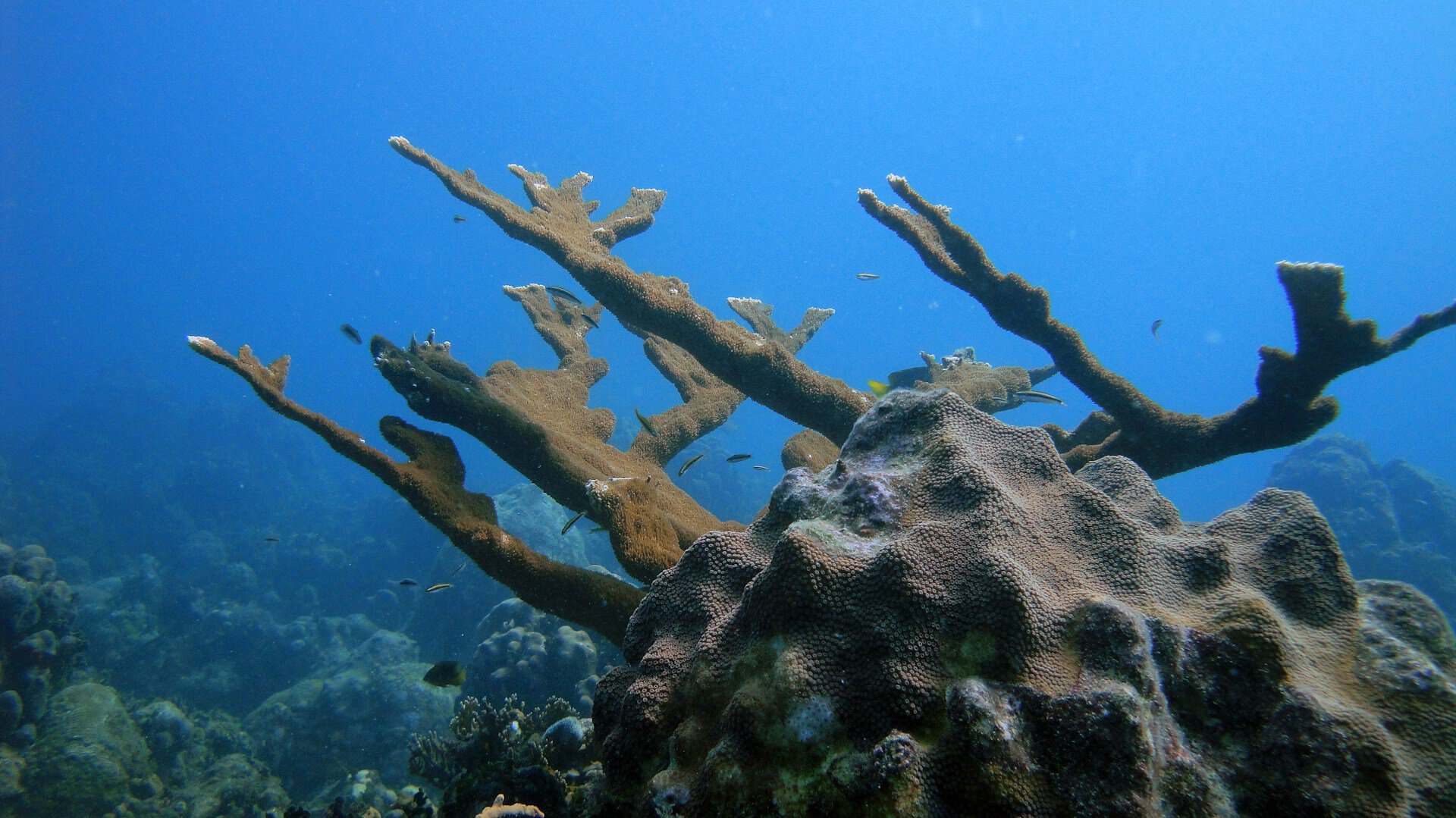
Researchers on Costa Rica’s southern Caribbean coast have raised coral larvae in a laboratory for the first time here, returning nearly 1 million fertilized embryos to the reef at Manzanillo. The work was led by the conservation group Raising Coral Costa Rica and the Scripps Institution of Oceanography at the University of California San Diego.
The team set up a temporary lab at the visitor center of the Gandoca-Manzanillo National Wildlife Refuge in August and September. Corals spawned heavily on the nights of Sept. 3 and 4, releasing clouds of eggs and sperm into the water. About 20 people collected the spawn using nets placed over the colonies, and the researchers cross-fertilized eggs and sperm from different colonies. The species included elkhorn coral, which is critically endangered, and knobby brain coral.
Beyond the embryos released onto the reef, the team reared tens of thousands of larvae in the lab. Hundreds settled into young coral polyps and were moved to Manzanillo’s coral nursery, and the remaining larvae were released at the end of the season. The method matters because fragmenting existing corals, the technique behind most nursery work, produces clones. Breeding corals from spawning mixes genetic material from different parents, and the project said that diversity may help new corals withstand disease and warming oceans.
José Andrés Marín Moraga, who directs Raising Coral’s Caribbean program, said reefs have sustained South Caribbean communities for generations and that helping young corals settle could mark a turning point in their recovery. Emily North, the Scripps researcher who co-directed the field and lab work, said the health of Manzanillo’s coral populations impressed her after seven years working in the Caribbean.
The milestone comes three years after Raising Coral documented the first recorded spawning of elkhorn coral in Costa Rica at the same site in September 2023. The hardest step is getting larvae to settle and survive. The team is studying naturally occurring reef bacteria that may trigger settlement, and plans to embed them in hydrogels that can coat surfaces on natural reefs and restoration structures.
Local residents were part of the effort, including the Manzanillo community development association, refuge staff, the National System of Conservation Areas (SINAC), boat captains, dive instructors, educators, coral farmers and volunteers. Students from a Manzanillo school visited the lab and helped release larvae into the sea.
Mirna Cortés Obando of Cahuita National Park, who took part in the project, said it gave her new hope for the region’s reefs. The three-year research project is funded by the Coral Research and Development Accelerator Platform (CORDAP). It will continue for two more spawning seasons, with experiments aimed at improving how many larvae settle and grow into colonies.
The work adds to other efforts to study the earliest life stages of marine species along Costa Rica’s coasts, including renewed research on fish eggs and larvae.





