A shell picked up on a beach walk, a piece of coral, a seed pod, a carved trinket bought from a roadside stand — any of them can stop you at the airport and, in some cases, put your name into a criminal file before you fly home. Costa Rican authorities have started a public information campaign, “What You Carry,” aimed squarely at travelers who pack natural objects without realizing the law treats them as protected wildlife.
The campaign is being run by the Judiciary, with the Prosecutor’s Office, forensic specialists from the Judicial Investigation Agency (OIJ) and airport operator Aeris taking part. Campaign material is set to appear at airports, at tourist destinations around the country and online. According to the Judiciary, foreign visitors are regularly stopped on their way out of Costa Rica carrying flora or fauna they did not know was restricted.
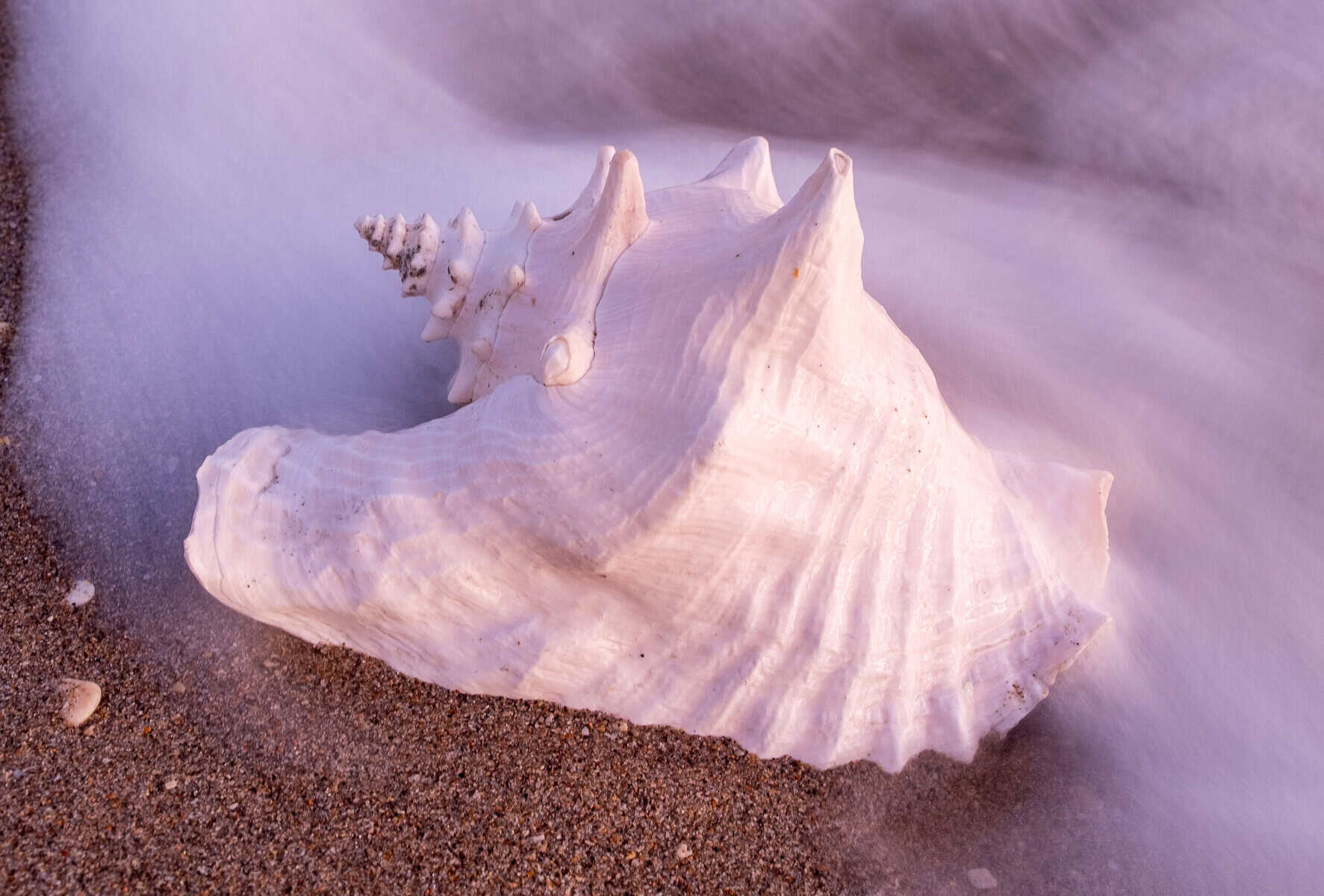
The list is broader than most people expect. Shells, snail shells, coral, sand dollars, starfish, beach sand, small stones, feathers, bones, plants, seeds and orchids all fall under it. So do finished products — jewelry, ornaments and carvings — made from animal parts. If it came from a living thing and you did not buy it from a licensed source with the paperwork to prove it, assume it is not yours to take.
The reason is not bureaucratic. Costa Rica’s wildlife law treats not just live animals and plants as protected but also their parts, products and derivatives, which is why a single shell counts the same way a live parrot does. And shells in particular do real work on a beach. Hermit crabs live in them. Birds break them up for their nests. As they grind down they return calcium carbonate to the sand, which is part of what lets a shoreline rebuild itself after a storm. Take enough of them off a beach, year after year, and the beach itself gets thinner and more fragile.
The volume is what turned this into an enforcement problem rather than an etiquette problem. A study by the University of Costa Rica and the Parque Marino del Pacífico, cited when an earlier airport awareness campaign launched in 2020, estimated that up to 10 tons (11 tons) of shells, snail shells, coral and sand dollars were being confiscated at Juan Santamaría International Airport each year.
Separately, the shell-return project De Vuelta a Casa, which sorts and returns confiscated shells to the sea, has put the figure at five to six tons (5.5 to 6.6 tons) a year across Juan Santamaría and Daniel Oduber airports. In October of last year, Guanacaste Airport returned 1,100 kilograms (2,425 pounds) of confiscated shells to the Pacific through that project. The figures come from different studies over different periods and are not directly comparable, but they point the same direction.
They also point to something travelers rarely think about. Confiscated material cannot simply be tipped back onto the nearest beach. A shell from the Caribbean returned to the Pacific is a small ecological problem of its own, so the sorting work now uses image-recognition software to determine which coast a shell came from before it goes back — and the resulting data maps which beaches are being stripped hardest.
What happens to you depends on what you are carrying. In most cases the material is taken from you at screening and you continue on your flight. But the law that covers these items is criminal law, not a customs schedule, and authorities say some travelers have ended up in criminal investigations. An investigation is not a charge, and being stopped is not a conviction — but it is a phone call you do not want to be making from an airport with a boarding time.
Avoiding all of this is simple. Photograph what you find and leave it where it is. Buy souvenirs from established shops and artisans who sell wood, ceramic, textile, coffee and cacao products rather than anything organic. If a vendor is selling something made from shell, coral, turtle, feathers or animal skin, ask where it came from and what permit covers it, and walk away if the answer is vague. And if you find something in your bag while you are still packing, leaving it behind at the hotel is a far easier conversation than the one waiting for you at screening.
Costa Rica has built a tourism economy on the promise that its wildlife stays where it is, and the law that protects it does not distinguish between deliberate trafficking and a souvenir picked up without a second thought. Enforcement at the airports has been running for years. What is new is the effort to explain it before anyone reaches the gate.