

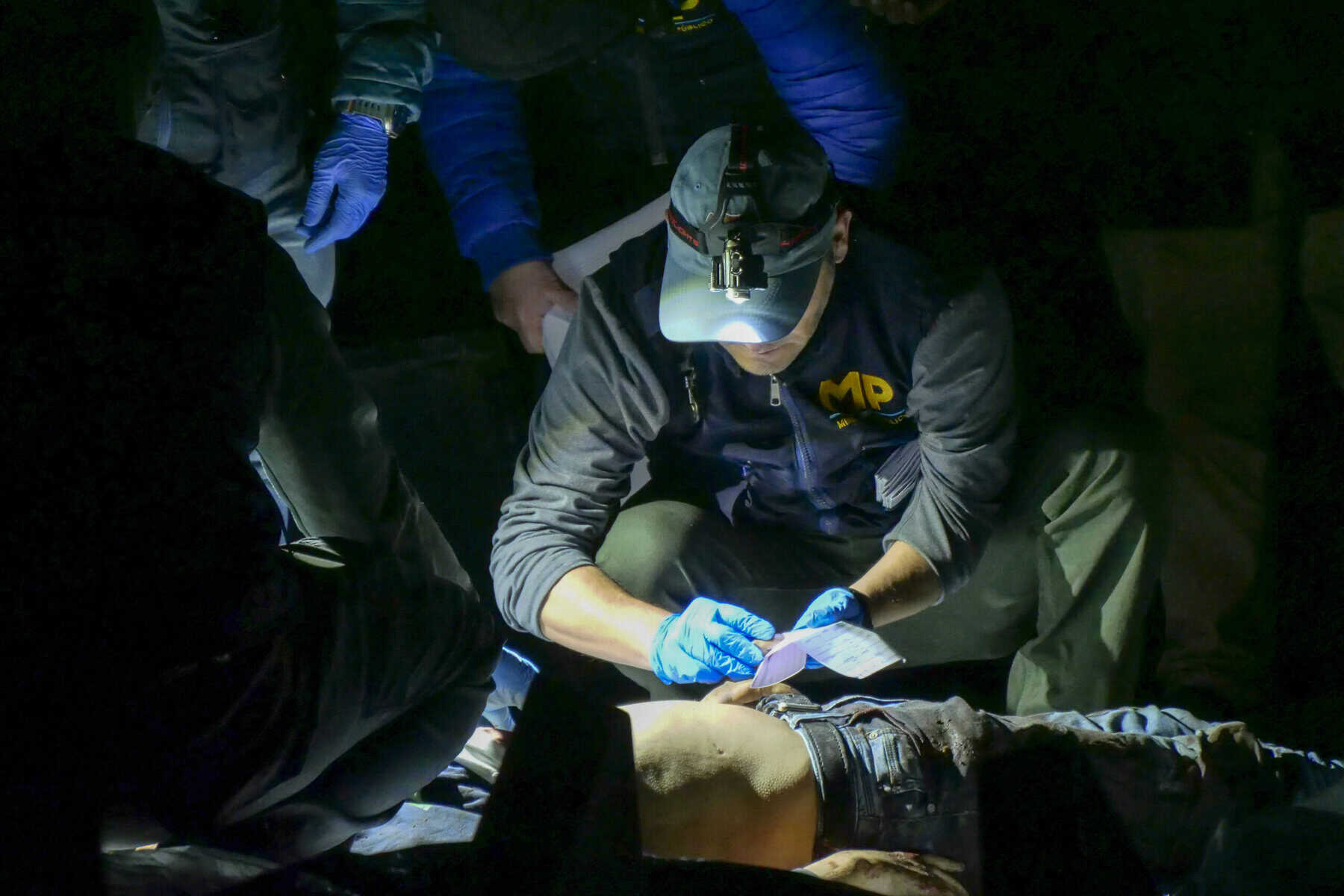
A passenger bus carrying travelers along Guatemala’s Inter-American Highway veered off the road and tumbled into a deep ravine late Friday, killing at least 15 people and injuring around 20 others, according to rescue officials on the scene. The accident happened at kilometer 174 in an area called the Alaska summit, within the district of Totonicapán.
This stretch of highway sits in rugged terrain often marked by dense fog, which reduces visibility for drivers. Volunteer firefighters spokesperson Leandro Amado reported that the bus, part of the Sinaloa route connecting Guatemala City to San Marcos near the Mexican border, fell about 75 meters down the slope. The cause remains under investigation, but initial accounts point to possible mechanical failure or poor road conditions.
Amado detailed the victims as 11 men, three women, and one minor. Bodies lined the roadside as rescuers worked through the night. Injured passengers received treatment at nearby hospitals in Quetzaltenango and Totonicapán. Images from local media, captured firefighters, police, soldiers, and civilians pulling survivors from the mangled wreckage.
Road accidents claim many lives in Guatemala each year. Just last February, a similar bus plunge at the northern edge of Guatemala City killed 54 people. In response to that tragedy, President Bernardo Arévalo pushed for mandatory vehicle insurance, but protests from transport operators halted the plan. The government formed a committee to enforce the 1996 traffic law within a year and develop broader transport reforms.
In this latest case, the General Directorate of Transport stated on social media that the bus held a temporary permit and active insurance. This coverage should support the victims and their families. The agency pledged to monitor the incident and called on transport companies to maintain their vehicles properly.
Authorities continue to probe the crash, with teams from the Bomberos Municipales Departamentales leading recovery efforts. The highway briefly closed for operations but has since reopened. Travelers in the region face ongoing risks from steep drops and weather challenges.
This event underscores persistent safety issues in Central America’s public transport systems. Guatemala’s highways, vital for linking cities and borders, often see overloaded buses navigating difficult paths without enough oversight. Rescue groups urge drivers to check brakes and tires before trips, especially in high-altitude zones like the Alaska summit. Families of the victims await further updates as hospitals treat the wounded.





