

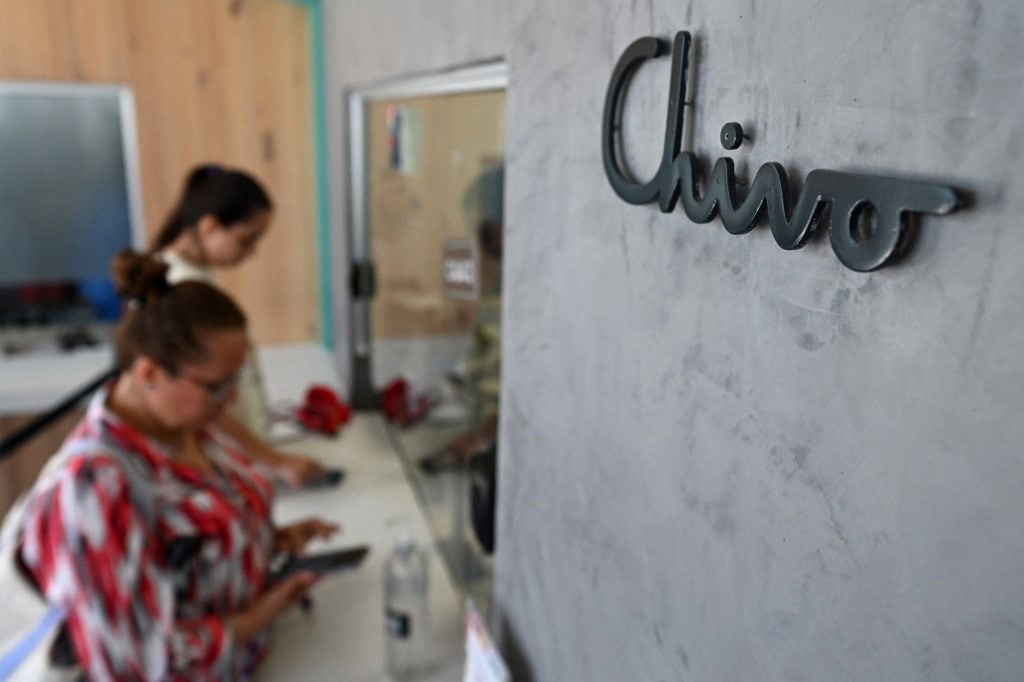
The International Monetary Fund has revealed that El Salvador is advancing talks to sell its state-owned Chivo digital wallet, a move that signals shifts in the country’s Bitcoin strategy. This comes even as President Nayib Bukele earlier insisted his administration would keep acquiring the cryptocurrency.
In a statement released this week, the IMF noted that negotiations over the Chivo wallet “are well advanced.” The wallet, launched in 2021 alongside El Salvador’s adoption of Bitcoin as legal tender, has served as a key tool for citizens to hold and transact in the digital asset. Officials in San Salvador have not yet named potential buyers, but the potential sale aligns with broader efforts to address fiscal risks tied to cryptocurrency holdings.
El Salvador’s economy grew by 4% this year, according to the IMF, which praised the nation’s progress in reducing public debt and improving financial stability. The fund also highlighted ongoing discussions about the Bitcoin project, including agreements to limit active increases in government holdings. This follows a deal reached with the IMF in March, which unlocked funding but imposed conditions on crypto-related activities.
Bukele, who has championed Bitcoin since making it legal tender four years ago, stated in March that purchases would continue regardless of international pressure. “No, it’s not stopping,” he posted on social media at the time, referring to the daily Bitcoin buys his government had pursued. However, reports from July indicated that acquisitions halted in February, contradicting those assurances and reflecting tensions with global lenders.
The Chivo wallet has faced scrutiny since its rollout. Users reported technical issues, and adoption rates fell short of expectations. The government distributed $30 in Bitcoin to each citizen through the app to encourage use, but many cashed out quickly amid volatility. Today, Bitcoin trades around $87,000, far above the levels when El Salvador began accumulating over 5,000 coins, now valued at hundreds of millions.
For Central American nations like us in Costa Rica, El Salvador’s experience offers lessons in balancing innovation with stability. Here in San José, regulators have allowed crypto trading but stopped short of embracing it as currency, focusing instead on traditional financial tools to support tourism and exports. Analysts say the sale could ease El Salvador’s path to more IMF support, potentially stabilizing remittances that make up a fifth of its economy.
The IMF emphasized that wrapping up the Chivo deal would help mitigate risks from price swings in digital assets. Discussions continue on governance reforms, including transparency in Bitcoin operations. Bukele’s office has not commented directly on the latest IMF remarks, but the president remains vocal about the benefits of cryptocurrency for financial inclusion.
As El Salvador navigates these changes, the region watches closely. The outcome may influence how other countries approach digital finance amid global economic pressures.





