

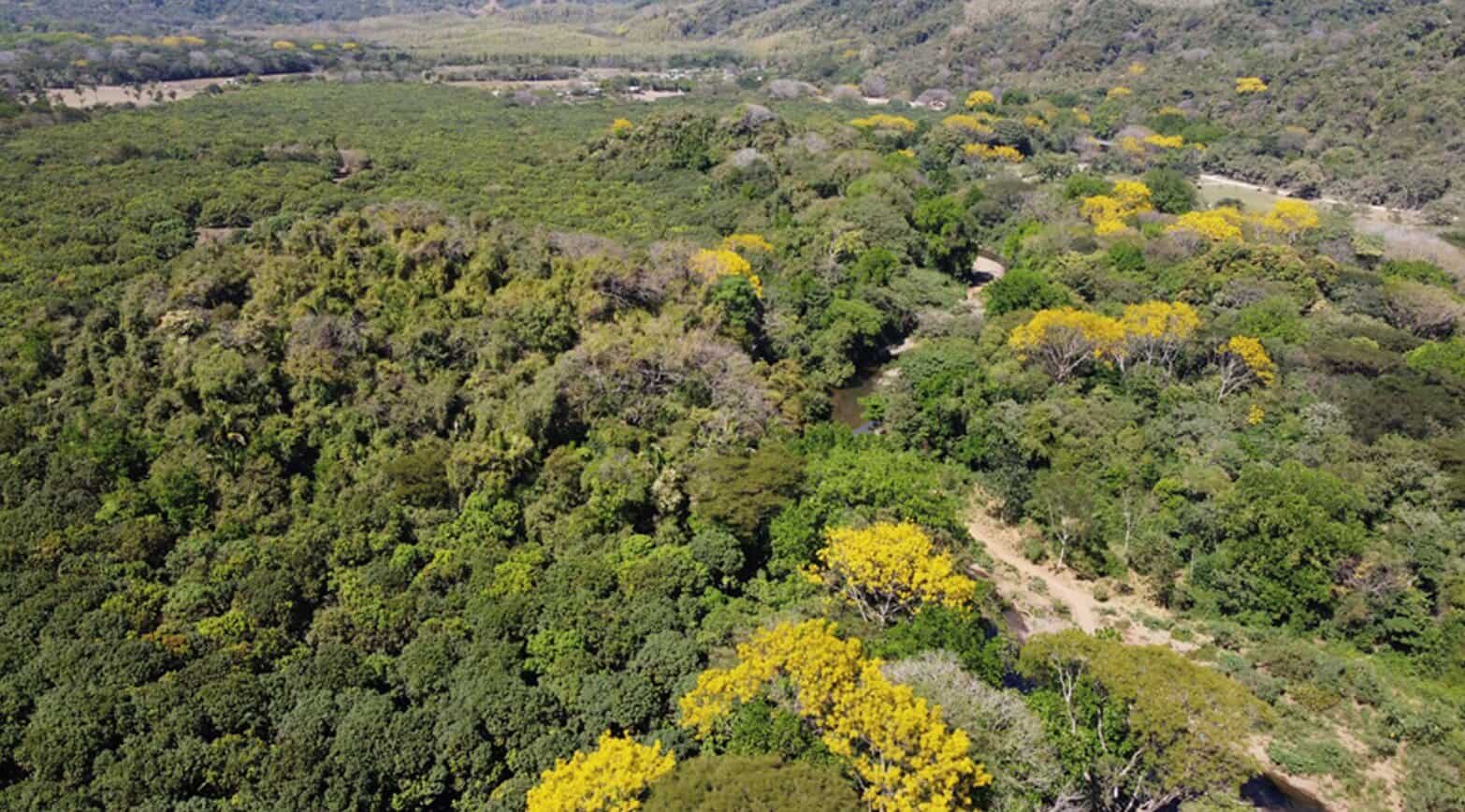
Private landowners in Nosara have begun to register ecological easements that form the country’s first biological corridor created solely through voluntary conservation agreements. The Nosara Civic Association coordinates the initiative with the National System of Conservation Areas. The project runs under the Regional Program of Biological Corridors of the Tempisque Conservation Area.
Landowners sign agreements to connect protected zones from the mountains to the sea. The corridor safeguards forest cover, biodiversity and water recharge areas that supply residents. Owners register the easements in the National Registry so protection lasts in perpetuity.
The 2025 State of the Nation Report states that development in coastal zones such as Nosara involves subdivision of former cattle ranches into multiple lots for urban projects. This pattern has fragmented the landscape and increased pressure on the environment and local families.
The corridor gives the community a different path to handle growth. “Real estate expansion can be guided to coexist with nature. The corridor transforms the subdivision of farms into an opportunity to strengthen conservation rather than erode it,” said Marco Villegas, executive director of the Nosara Civic Association.
Ecological easements allow landowners to dedicate specific parts of their properties to permanent conservation. These connected areas create a green corridor that links the highlands of Nosara to the Ostional National Wildlife Refuge on the coast. The agreements leave owners free to develop the remaining portions of their land.
Recent studies by the association show Nosara still holds approximately 80 percent forest cover. This percentage stands out for coastal districts. The connected forests help wildlife move freely, regulate temperature, cut erosion, prevent landslides and recharge aquifers that serve the district.
The Nosara Civic Association protects 264 hectares of forest in zones that face the highest real estate pressure. Officials now register these lands as a new national wildlife refuge.
The first easement protects a 14-hectare area of secondary forest along the banks of the Montaña River in the Santa Marta de Nosara sector. The site sits inside the buffer zone of the Ostional National Wildlife Refuge wetland. The protected status also lets the community’s ASADA build infrastructure needed to serve local residents.
This model draws on science, local governance and cooperation between public agencies and private owners. It addresses the need to keep natural systems intact in a district that continues to grow.





