

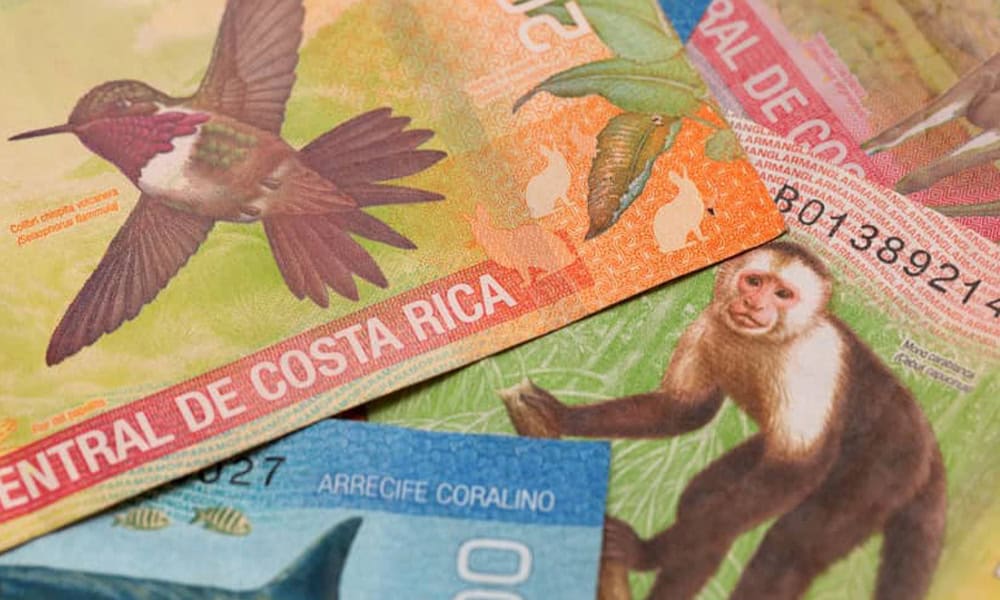
The Costa Rican colón has dropped against the US dollar in recent days, with the exchange rate moving closer to the 500 colones per dollar mark. Central Bank data lists the reference rate at around 495 colones per dollar as of today, up from about 490 earlier in the week. This change marks a roughly 1% decline in the colón’s value over the past seven days, based on market reports from sources like Trading Economics and Investing.com.
The shift stems from a mix of local and international factors. Reduced dollar inflows from the tourism low season play a part, along with higher demand for dollars among exporters holding out for better returns. Global influences, such as US interest rate adjustments, add pressure on currencies in emerging markets like Costa Rica. Traders in the capital report sell rates hitting 500 in some banks, a point last approached consistently in late 2025.
For us expats who call Costa Rica home, this means rethinking budgets tied to dollar incomes. Remote workers or retirees converting pensions find their dollars buy more colones, easing costs for rent, groceries, and local services. A monthly transfer that once covered basics now allows room for extras, such as a weekend in Guanacaste or maintenance on a beachfront property. However, those with loans or expenses in dollars face no direct hit, but imported goods rise in price, affecting everything from car parts to electronics.
Travelers planning trips benefit from the timing. Dollars stretch further on accommodations, transportation, and activities. A standard hotel room in Quepos that ran $150 last month now effectively costs less in local terms, leaving more for experiences like wildlife tours or surf lessons. Tour operators note that entry fees to national parks, often set in colones, become cheaper after exchange. Visitors should check rates at airports or ATMs to lock in the advantage, though fees can reduce gains.
Residents and long-term visitors see mixed outcomes. Local food prices hold steady for domestic produce, but imports like wheat products or fuel push up bills. Small businesses adjust by raising charges slightly, which might slow spending in areas popular with expats, such as Escazú or Tamarindo. Economists expect the rate to hover near 500 into February, barring sharp changes in US policy or regional trade.
Officials at the Central Bank state they track the movement without plans for action unless swings grow extreme. For those living or visiting here, apps and sites from Wise or XE offer real-time updates to plan conversions.
[currency_bcc type=”custom” w=”600″ h=”400″ c=”3c9339″ fc=”FFFFFF” a=”1″ f=”USD” t=”CRC” g=”on” sh=”on” b=”on” fl=”on” p=”c” cs=”” s=”off” mf=”1″ df=”2″ d=”1″ su=”on” lang=”en-US”]





