

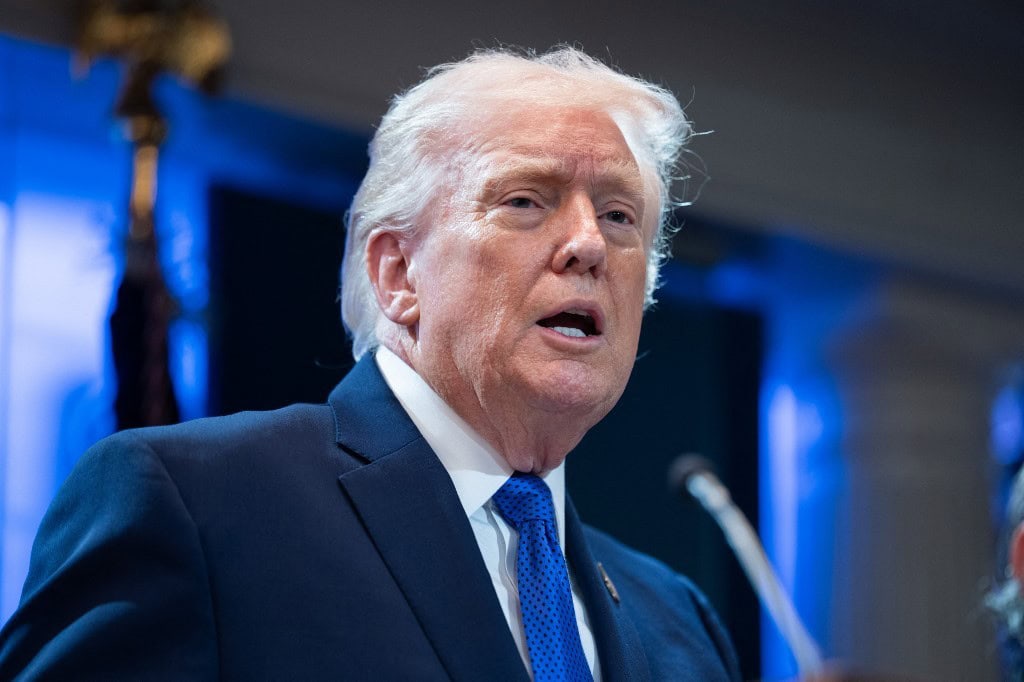
President Donald Trump declared a new 10% tariff on all U.S. imports today, just hours after the U.S. Supreme Court invalidated his prior tariff system. The ruling found that Trump overstepped his powers under the International Emergency Economic Powers Act when he set broad duties last year. Trump responded by shifting to the Trade Act of 1974 to enact the replacement levy, which takes effect soon and applies to goods from nearly every nation, including Costa Rica.
This move revives trade tensions that Costa Rican businesses had hoped to leave behind. As detailed in our report earlier today, “U.S. Announces New 10% Tariff After Supreme Court Ruling — What It Means for Costa Rica,” the court’s decision initially offered relief by striking down the earlier reciprocal tariffs, which hit Costa Rican products with rates up to 15%. Now, the new blanket 10% tariff introduces fresh hurdles for local exporters who rely on the U.S. market.
Costa Rica sends a range of products to the United States, from pineapples and coffee to medical devices and electronics parts. The U.S. buys about 40% of Costa Rica’s exports, making it the top trading partner. The previous tariffs, imposed in 2025, already squeezed margins for many firms. Exporters like pineapple growers and device manufacturers faced higher costs passed on by U.S. buyers, leading to reduced orders in some cases.
The Supreme Court voted 6-3 that the emergency law does not allow presidents to set tariffs without clear congressional approval. This nullified duties on imports from over 160 countries, including the 15% rate on Costa Rican goods that Trump raised last August due to trade imbalances. Costa Rican officials viewed the ruling as a step toward stable trade under the CAFTA-DR agreement, which provides duty-free access for most products.
Trump’s quick pivot to a new tariff changes that outlook. He described the court decision as a barrier to protecting American jobs and promised to use other laws to maintain pressure on trading partners. The 10% levy lasts up to 150 days and could renew, affecting non-exempt goods. For Costa Rica, this means potential added costs on exports not fully covered by CAFTA-DR, such as certain processed foods or industrial items.
Local economists point out that the tariff will likely make Costa Rican products pricier in the U.S., giving an edge to competitors with better deals. “Exporters with thin profits may struggle,” said an analyst from the Costa Rican Chamber of Exporters. Firms that import U.S. machinery or inputs could also pay more, driving up production expenses here.
The Ministry of Foreign Trade (Comex) stated it will track the policy closely and engage in talks with U.S. counterparts to safeguard CAFTA-DR benefits. Comex officials expect the agreement to shield many exports but warn that broad enforcement could test those protections. They plan to work with regional allies, as other Latin American nations like Mexico and Brazil face similar pressures.
Broader effects include investor caution. Companies tied to U.S. supply chains may hold off on expansions amid the legal back-and-forth. Stock markets dipped today on the news, with trade-sensitive sectors hit hardest. In Costa Rica, the colon weakened slightly against the dollar, reflecting market nerves.
This development reflects Trump’s first term, when tariffs disrupted global flows. Latin American economies, dependent on U.S. trade, now weigh options like shifting sales to Asia or Europe. Costa Rica has diversified in recent years, but the U.S. remains key. As the tariff takes hold, Costa Rican leaders call for calm planning. The situation highlights how U.S. domestic politics can sway international trade, prompting calls for stronger local strategies to buffer against such shifts.





