

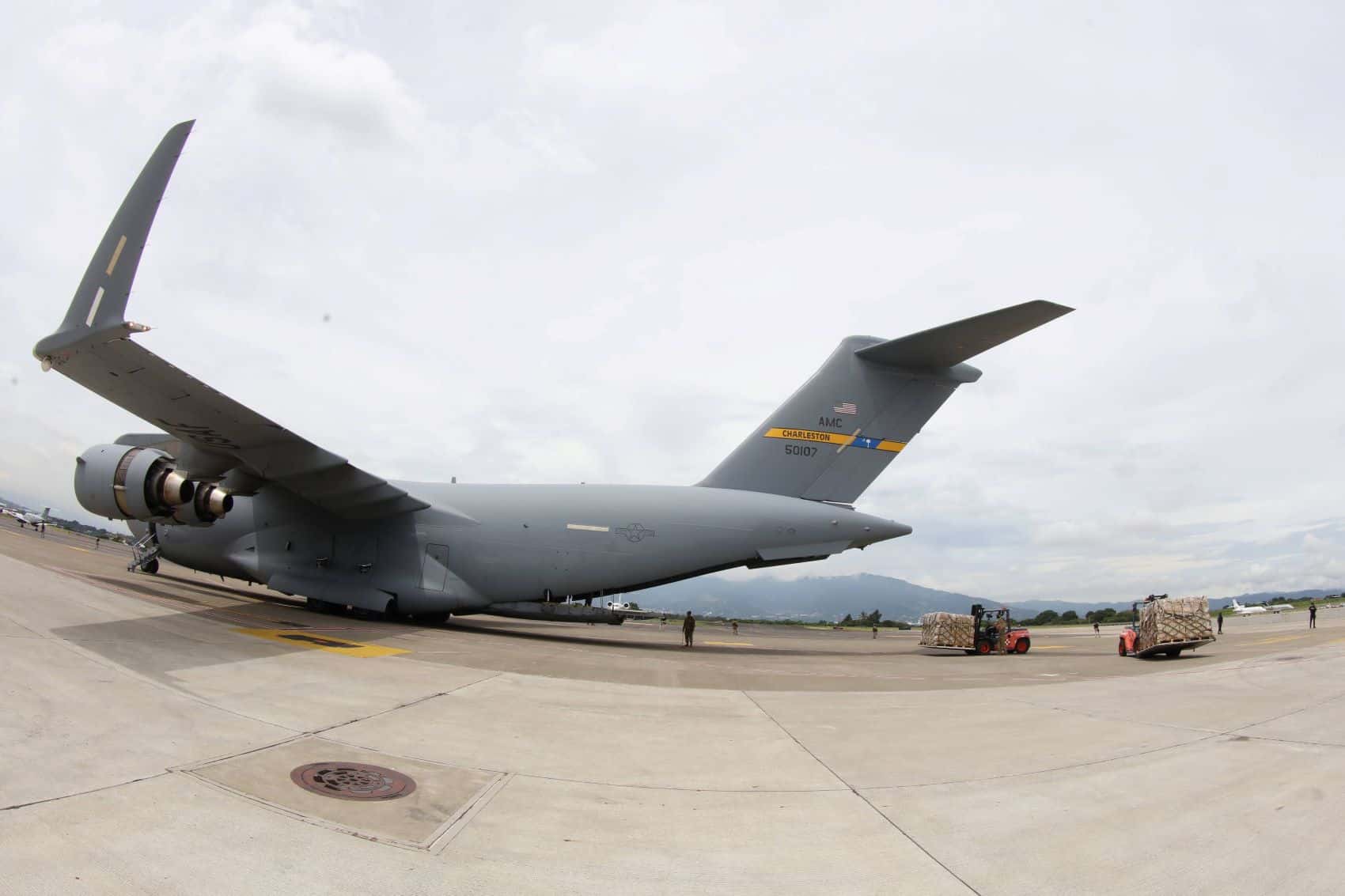
Fabián Silva Gamboa, a constitutional lawyer who advises President-elect Laura Fernández, proposed a reform to the Political Constitution that would allow the United States to establish military bases in Costa Rica. He presented the idea as a way to step up action against drug trafficking and organized crime.
Silva suggested the bases could go in coastal provinces such as Limón, Puntarenas and Guanacaste, areas that serve as main routes for drug shipments. In his view, the presence would deter criminal groups and make it easier to capture drug leaders for transfer and prosecution in the United States.
“Put U.S. military bases in Limón, Puntarenas, and Guanacaste, and take those drug lords away,” Silva said on Canal OPA’s Octavo Mandamiento program.
The lawyer pointed to the legal and operational limits Costa Rica faces when it deals with transnational criminal networks. He called for a serious national discussion on constitutional changes and agreements that would allow a steady presence of U.S. military forces at strategic sites across the country.
“Crime takes place here, but the harmful effects extend to all countries. We should not have to bear the burden of this mafia in Costa Rica,” Silva added. He said leaders should approach the topic from a patriotic standpoint and avoid personal attacks.
Silva also questioned whether the incoming Legislative Assembly holds the maturity and patriotic sense to handle a debate of this scale. He asked if the new deputies would discuss the matter seriously instead of repeating the insults and clashes that defined the previous period.
Costa Rica abolished its army in 1948. Article 12 of the Constitution states: “Se proscribe el Ejército como institución permanente. Para la vigilancia y conservación del orden público, habrá las fuerzas de policía necesarias. Solo por convenio continental o para la defensa nacional podrán organizarse fuerzas militares; unas y otras estarán siempre subordinadas al poder civil.”
Any step toward foreign military bases would require constitutional reform. The process demands qualified majorities in the Legislative Assembly and broad political agreement. The decision to end the army remains one of the central pillars of the Costa Rican state since 1949.
Silva belongs to the team of advisors Fernández presented on February 18. The group includes lawyers Juan Diego Castro, Fabián Volio and María Lourdes Echandi Gurdián. Fernández takes office on May 8.
Recent reports from the Organismo de Investigación Judicial and the Ministry of Public Security note increased violence tied to drug trafficking and the use of Costa Rican territory for storing and moving cocaine bound for the United States and Europe. Coastal provinces stand out as sensitive points because of their ports and location.
In 2010 lawmakers approved the temporary entry of U.S. ships and personnel for joint anti-drug operations. That measure stayed within existing rules and followed legislative approval. A permanent base setup would go further and need the full reform process under Article 195.
CR Hoy asked the office of the President-elect for comment on Silva’s statement. No response had arrived by publication time. The proposal brought back long-standing questions about sovereignty, security cooperation and Costa Rica’s tradition of peace and neutrality.





