
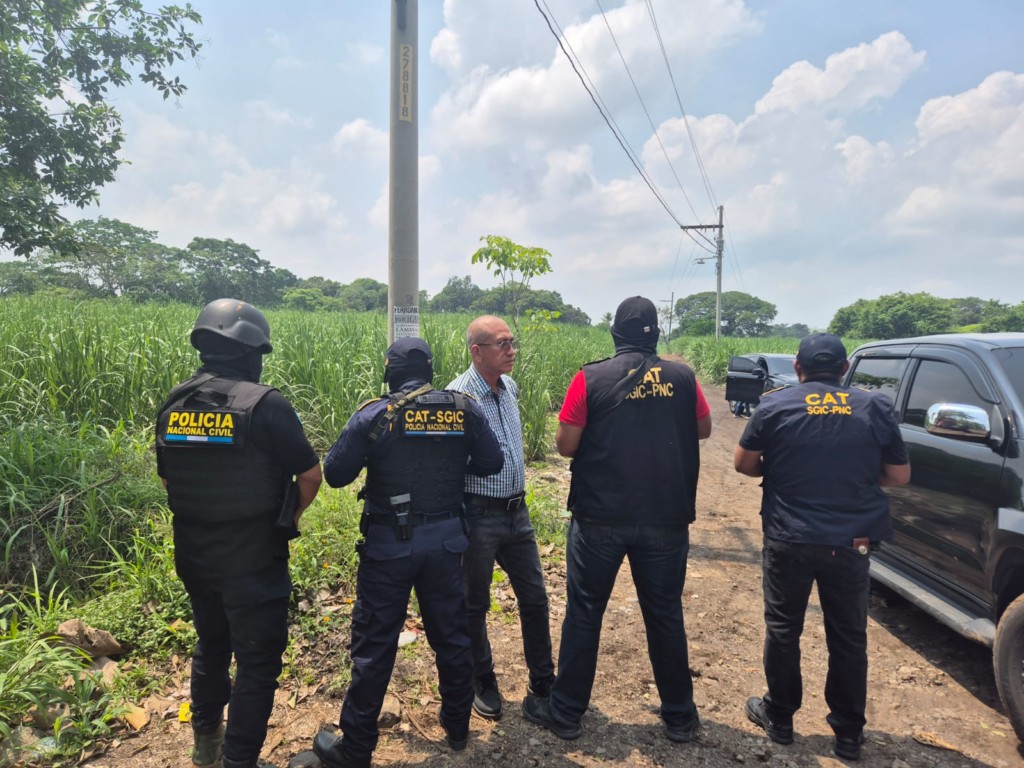
Guatemalan officials handed over former mayor Romeo Ramos Cruz to US authorities this week, marking another blow to drug networks operating in Central America. Ramos, 57, faces serious accusations of playing a central role in moving cocaine shipments bound for American streets.
Authorities arrested Ramos on May 15 in his hometown of Santa Lucía Cotzumalguapa, a municipality in Guatemala’s Escuintla department about 60 miles south of the capital. Police acted on a US extradition request tied to drug trafficking.
During the raid, agents seized a vehicle, firearms, and a cell phone from Ramos, who went by the alias “Alfa.” He served as mayor from 2020 to early 2024, first elected with the Productividad y Trabajo party in 2019. In 2023, he ran for re-election under the Cabal party banner but lost the race.
After his capture, Ramos told local reporters he felt he had done nothing wrong beyond helping his community. He added that if the US wanted him, he would go without a fight, even suggesting they take him the next day to speed things up. Guatemala extradited him on August 4 under tight security. The next day, he appeared in a Washington, DC, federal court for his initial hearing.
Prosecutors charge Ramos with one count of conspiracy to import over five kilograms of cocaine into the US. Court documents paint him as a key player in a Guatemala-based group focused on shuttling drugs north. From 2022 to 2024, while still in office, Ramos allegedly used his position to smooth operations. He coordinated logistics for cocaine transports, leveraging his authority to avoid scrutiny.
In one documented instance, Ramos helped mask a load of cocaine coming from Venezuela by passing it off as cement. He drafted an official letter on municipal stationery to dodge inspections by Guatemalan enforcers. If a jury finds him guilty, Ramos could spend the rest of his life behind bars.
This case fits into a larger push against transnational crime. US agencies like the FBI, DEA, and Homeland Security Investigations teamed up with Interpol and Guatemalan forces to build the evidence. The effort falls under Operation Take Back America, aimed at curbing illegal migration and dismantling cartels that fuel violence across borders.
Guatemala sits in a prime spot for drug routes, with shipments often passing through from South America en route to Mexico and the US. Local figures sometimes get entangled, providing cover or resources to traffickers. Cartels launder profits and stir up clashes that plague communities in the region.
So far this year, Guatemalan security teams have nabbed 15 people wanted for US extradition, eight linked to drug operations. Ramos joins that list, following high-profile cases like the May handover of Aler Baldomero Samayoa Recinos, known as “Chicharra.” US officials called that extradition one of the biggest in recent memory. Samayoa allegedly headed Los Huistas, a group tied to Mexican outfits like Sinaloa and Jalisco Nueva Generación.
These arrests highlight ongoing cooperation between Guatemala and the US to tackle shared threats. President Bernardo Arévalo’s administration has stepped up efforts against corruption and organized crime since taking power. Yet challenges remain, as poverty and weak institutions make some areas ripe for exploitation by smugglers.
Ramos’s story underscores how public trust can erode when leaders stray into illegal activities. Residents of Santa Lucía Cotzumalguapa, a town reliant on agriculture and trade, now see their former head facing justice abroad. His trial will likely reveal more about the networks blending politics and narcotics in Guatemala.
As the case moves forward, it serves as a reminder of the human cost in the fight against drugs. Families in Central America deal with the fallout from violence, while US streets grapple with addiction fueled by these supplies. Both sides continue working to break the cycle.
Guatemala’s history with such issues runs deep. Past reports from groups tracking crime show politicians in places like Escuintla often brush against drug interests. Elections in 2023 brought scrutiny to candidates with shady ties, though many slipped through. Ramos’s downfall adds to a pattern where former officials end up in US courts.
Looking ahead, experts expect more joint operations. With cocaine production steady in Colombia and Venezuela, transit countries like Guatemala stay on the front lines. Strengthening local police and courts could help, but international support remains key.