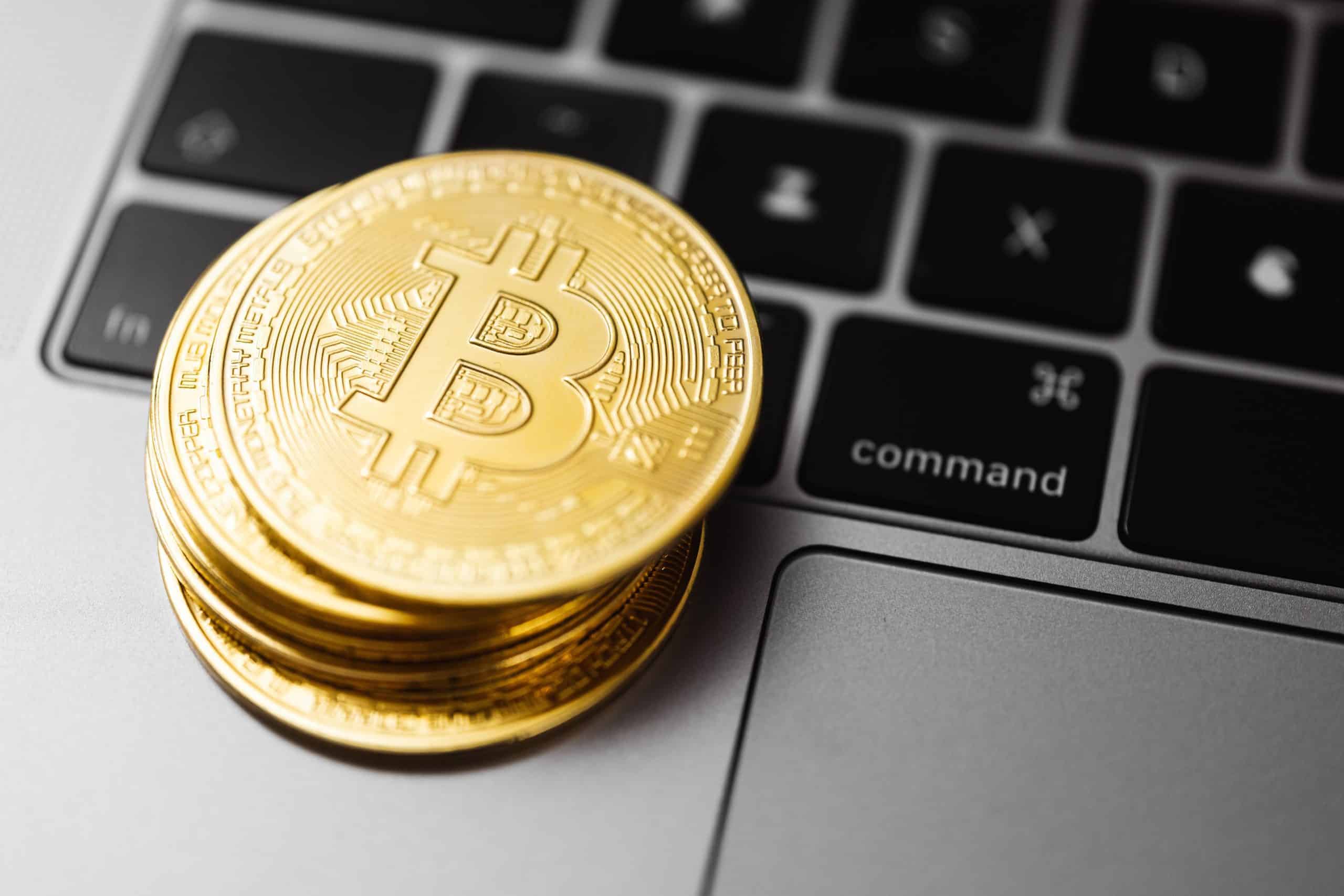
Facing resistance from the World Bank, IMF and opposition parties to his move to make bitcoin legal tender in El Salvador, President Nayib Bukele has promised $30 for each citizen who adopts the cryptocurrency.
Initiated by Bukele, El Salvador’s parliament approved a law this month to allow the crypto money to be accepted as tender for all goods and services in the small Central American nation, along with the US dollar, its national currency.
The crypto money will become legal tender in September.
Bukele said that in a bid to boost its wide adoption, each citizen who opens an electronic bitcoin “wallet” named Chivo will have the equivalent of $30 uploaded to their account.
“It will be a gift,” Bukele told national television late Thursday. “Just download and register and you will receive the bitcoin equivalent of $30 to use.”
Bukele did not specify where the money would come from.
He said more than 50,000 people in the country of 6.5 million were already using bitcoin.
On Twitter, the president also accused the opposition of trying to “sow fear” among Salvadorans about the bitcoin law.
He gave an assurance that use of the cryptocurrency will be optional, and wages and pensions in the country will continue to be paid in US dollars.
Bukele has touted the move as a way to make it cheaper and easier for Salvadorans abroad — some 1.5 million, mainly in the United States — to send money back home in the form of remittances, which represent almost a quarter of the country’s GDP.
According to World Bank data, El Salvador received more than $5.9 billion in 2020 from nationals living abroad.
But opposition parties have said the plan is “unworkable” and experts and regulators have highlighted concerns about the currency’s notorious volatility and the lack of protections for its users.
On Tuesday, the cryptocurrency fell beneath $30,000 for the first time in five months. At its highest, bitcoin was worth more than $63,000 in April.
Last week, the World Bank rejected a request from El Salvador for assistance in its bid to adopt bitcoin as a currency, citing “environmental and transparency shortcomings”.
The IMF has also flagged concerns, with spokesman Gerry Rice telling reporters El Salvador’s move “raises a number of macroeconomic, financial and legal issues that require careful analysis.”
The Central American Bank for Economic Integration (CABEI) has said it will provide technical assistance for El Salvador to regulate the use of bitcoin.
On Thursday, the first bitcoin teller machine was opened in the capital San Salvador, where people can deposit dollars in cash into their bitcoin wallet.
The country’s only other bitcoin machine is in the coastal town of El Zonte, where hundreds of businesses and individuals use the cryptocurrency for everything from paying utilities bills to haircuts or buying a can of soda.