
HomeNewsCosta RicaCosta Rica prepared for this season's harsh weather, energy officials say

Costa Rica prepared for this season’s harsh weather, energy officials say

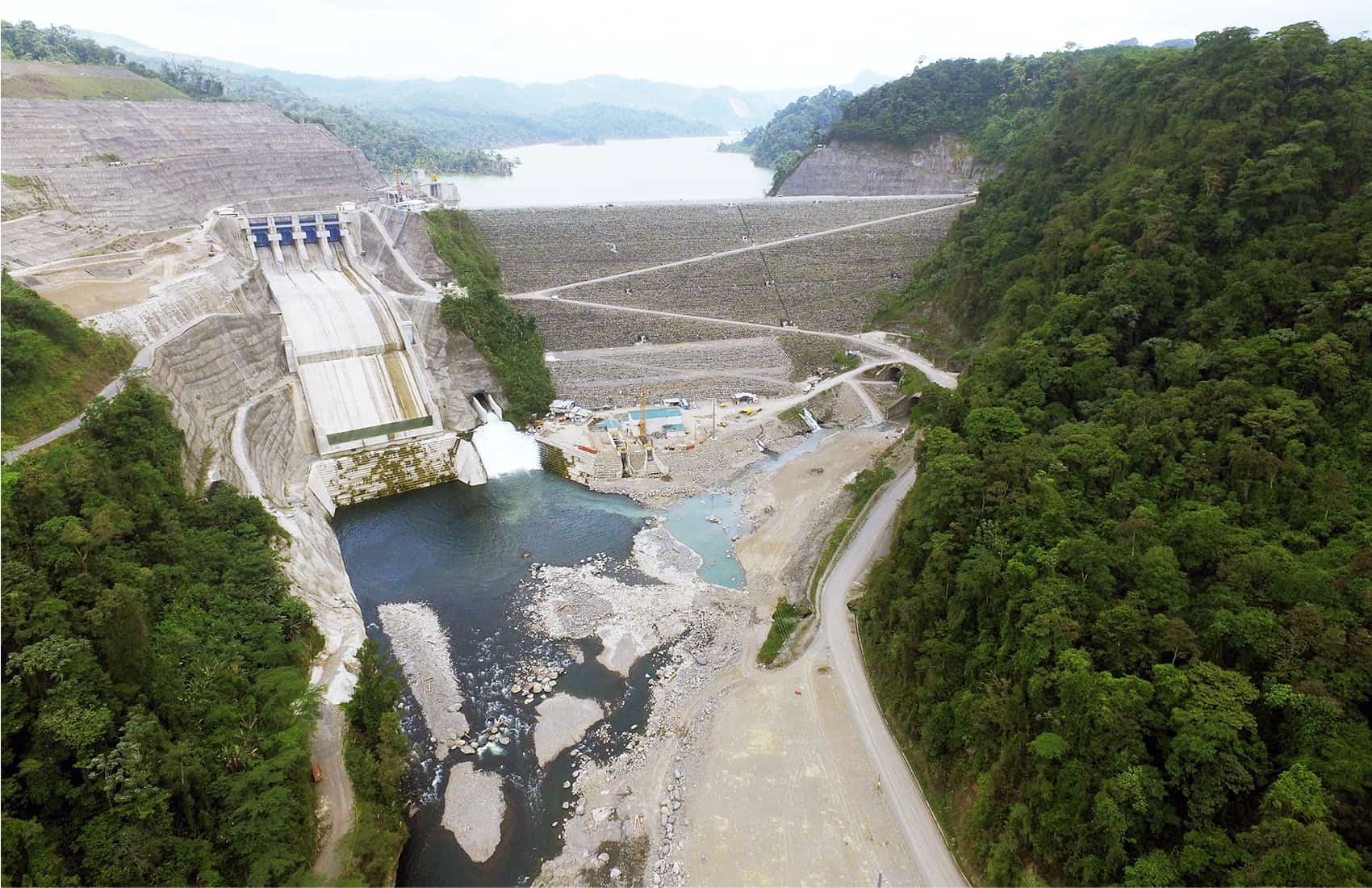
Despite harsh climate conditions, there’s no need to worry — yet — about the ability of Costa Rica’s hydroelectric plants to support the country’s energy needs, the state-run Costa Rican Electricity Institute (ICE) reports.

According to the ICE, the water levels of the reservoirs at all five of Costa Rica’s main hydroelectric plants maintain normal figures for the season. So far this year, power companies are turning to thermal plants only as backup generation sources.

The country has seen a decrease in wind generation in recent days, and higher than usual temperatures in the past few weeks have lowered levels at many aquifers that supply the reservoirs of hydroelectric plants at Arenal, CachĂ­, La Angostura, PirrĂ­s and ReventazĂłn. These reservoirs supply some 40 percent Costa Rica’s electricity needs.

However, thanks to water the institute stored in advance to compensate for potential shortages, the ICE states that “all of them are at optimum levels to face the rest of the dry season,” which in Costa Rica usually runs from December to April.

Good levels at reservoirs also could mean stable electricity tariffs. Increased reliance on thermal plants — which burn fossil fuels — is one of the main reasons for the ICE and other power companies to ask for higher tariffs during the dry season.

ICE Electricity Manager Luis Pacheco said that the institute will continue to monitor decreases in wind and hydro generation.

As an example, Pacheco said that on Feb. 22, wind power plants were able to generate only four percent of the country’s installed capacity of more than 300 megawatts, compared to more than 20 percent of the country’s energy needs during the first weeks of January.

This decrease prompted ICE to turn thermal plants and buy power from the Regional Electricity Market, Pacheco said.

Costa Rica uses five renewable sources to produce electricity: hydro, geothermal, wind, biomass and solar. Generation based on renewable sources in the past two years closed at over 98 percent.

Power generation using fossil fuels in 2016 represented only 1.88 percent of the total, ICE reported.
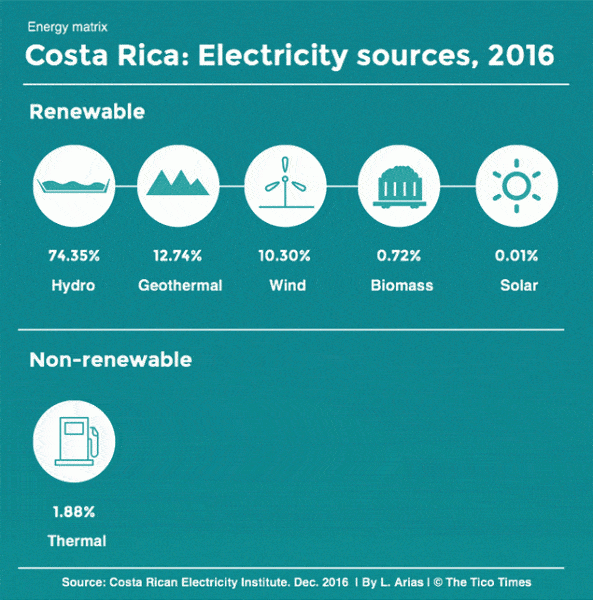
Electricity sources 2016

Save

Save

Trending Now

Costa Rica Faces Haiti at a Packed Saprissa With Bryan Ruiz’s Future Undecided

Costa Rica closes its Concacaf Nations League group stage tonight against Haiti, and a national team that went nearly a year without a win...

Canadian arrivals in Costa Rica jump 24% as travelers skip the US

Canadian visits to Costa Rica are up 24% this year, and long stays are driving millions in new spending.

Costa Rica Airport QR Codes Point U.S. Visitors to Free Safety Alerts

If you're a U.S. citizen landing at Juan SantamarĂ­a International Airport in San Jose, you'll now walk past QR codes in the immigration line...

Costa Rica Raises Alert Around RincĂłn de la Vieja Volcano

Costa Rica has raised the alert level for communities around RincĂłn de la Vieja Volcano after scientists detected increased volcanic activity, marking a further...

Can environmentalism in Costa Rica learn lessons from the past?

Does the rise of populism in Costa Rica mean the end to the country’s green credentials? Perhaps, but it doesn’t have to be that...

Polarization in Costa Rica is Rooted in Ancient History

At the University of Oxford, we have been helping to build a vast database of world history capable of explaining why some civilizations grow...

Heavy Rains Threaten Costa Rica’s Cacao Harvest in the Caribbean

Heavy rains in Costa Rica’s Caribbean region are damaging cacao plantations and could reduce harvests for months to come, with some producers in Talamanca...

Costa Rica Foreign Investment Jumps 23% as Tourism Investment Falls 27%

Free zones drove a 23.4% rise in Costa Rica's foreign direct investment in the first half of 2026, while tourism investment fell 27%.

Costa Rica Plans to Spread El Niño Power Costs Over Three Years of Bills

A government directive proposes recovering the extra cost of generating electricity during El Niño through rates over 36 months to avoid abrupt increases.
L. Arias
L. Arias
Reporter | The Tico Times |
Loading…

Latest News from Costa Rica

Costa Rica Coffee Maker Chorreador
Costa Rica Car Rentals
Costa Rica Travel Insurance
Costa Rica Travel