

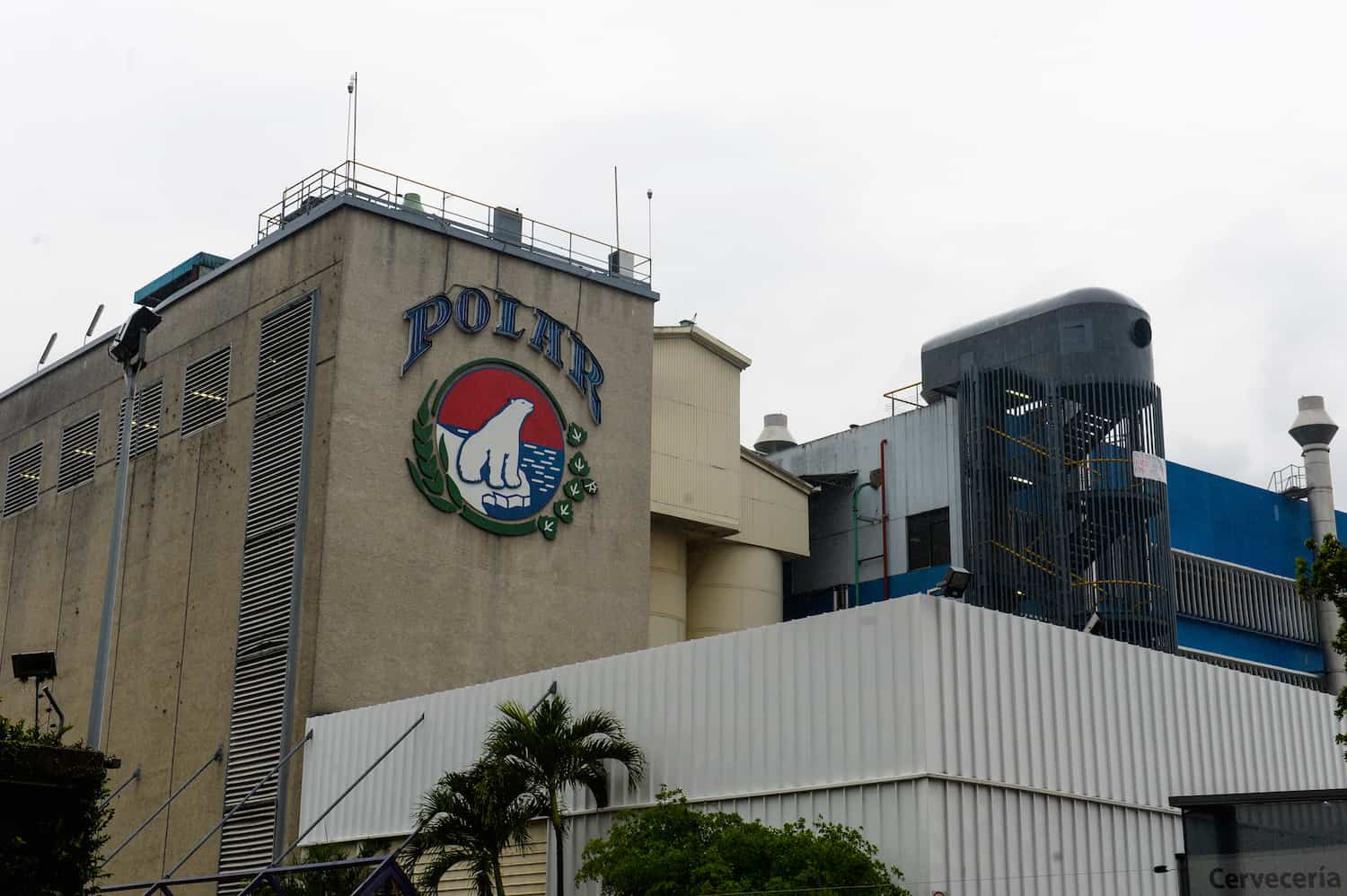
CARACAS, Venezuela — Venezuelans struggling through an economic crisis got a rare bit of good news Thursday when the country’s largest brewery announced it had obtained a loan to resume production.
Polar breweries, maker of the country’s best-known beer brands, shut down production at its four plants in April, blaming a barley shortage. It said it was unable to import the key ingredient because it could not access dollars under socialist President Nicolás Maduro’s tight currency controls.
But with bars and liquor stores running dry, Polar said it had reached a deal for a $35-million loan from Spanish bank BBVA, putting up its shares in an investment fund as collateral.
The cash will enable the company to buy barley, hops and steel sheets for cans — enough to resume production next month and get through the rest of 2016, it said.
Some 10,000 workers at Polar’s four breweries had been out of work since they suspended production.
The brewery is part of Venezuela’s largest corporation, Empresas Polar, whose chief executive, Lorenzo Mendoza, has repeatedly clashed with Maduro as the economy has veered into a deep recession. Maduro accuses the billionaire businessman of sabotaging the economy by slowing production, which the leftist leader blames for severe shortages of food and basic goods.
However, “Empresas Polar is showing its commitment to Venezuela by its actions,” Mendoza said in a statement.
Maduro declared a state of emergency last month to counter what he calls a U.S.-backed “economic war” on Venezuela, threatening to arrest the owners of businesses that halt production.
Polar, the largest food producer in Venezuela, makes a vast range of products, including snacks, condiments, ice cream, soda and the corn flour used in arepas, the national dish.
Although Venezuela holds the world’s largest oil reserves, the sharp fall in global crude prices over the past two years has exacerbated the decline of its socialist economic model. With its main source of foreign currency collapsing, the cash-strapped government is unable to meet businesses’ demand for the dollars they need to buy goods and materials abroad.
The import-dependent economy is set to contract 8 percent this year, with inflation of 700 percent, the International Monetary Fund forecasts.





