

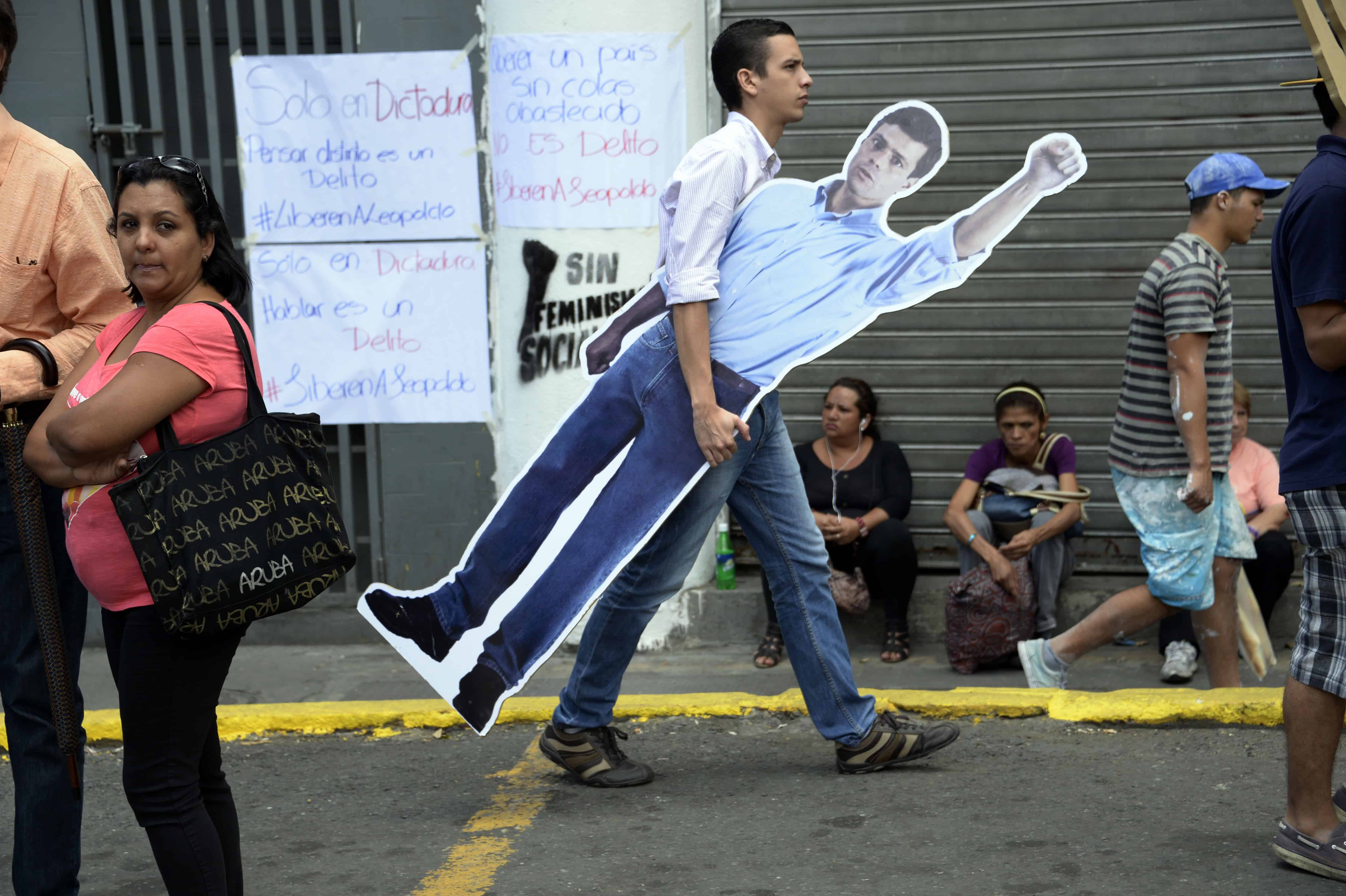
CARACAS, Venezuela — The trial of Venezuelan opposition leader Leopoldo López has proceeded along a clear trajectory so far, seemingly driven toward a predetermined outcome.
Which, of course, is also how railroads work.
“Yeah, he’s being railroaded,” said López’s lead defense attorney, Juan Carlos Gutiérrez, in an interview here.
López, the Harvard-educated founder of the Popular Will party, has been held in military custody for more than six months. He faces up to 13 years in prison on charges that he incited violent protests aimed at toppling President Nicolás Maduro, the successor to the late Hugo Chávez.
López himself is even less generous about the government’s intentions. “This isn’t a trial,” he wrote in a recent prison letter. “It’s a firing squad.”
Exhibit A: Of the 65 witnesses that López’s attorneys have attempted to call in his defense, Judge Susana Barreiros has rejected all but one.
For the prosecution, she has admitted 108 witnesses.
The first group — four police agents — began testifying Thursday at a heavily-guarded Caracas tribunal. López is due back in court Sept. 10.
With so many incriminating witnesses queued up, the trial could take months, Gutiérrez said. He said he would file appeals to have exculpatory evidence admitted by the judge.
Though the anti-Maduro protests that left at least 40 dead this spring have fizzled out, the government’s prosecution of López and four student demonstrators is being watched closely here and beyond.
López, 43, the former mayor of a Caracas municipality, remains the key figure of the opposition faction that has been most eager to confront the government head-on. His supporters have called for Maduro’s resignation or ouster, blaming his currency controls and socialist policies for food shortages and 60 percent inflation.
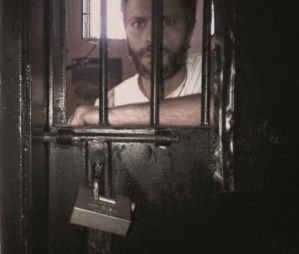
While few expect López to be acquitted, many are watching to see how far the government is willing to go to make an example of him.
“He has to pay, and he will pay,” Maduro said last month at the outset of López’s trial, calling him a “pawn of the Gringos” while urging Venezuelans to “stand firm against fascists.”
Amnesty International has called the charges against López “a politically motivated attempt to silence dissent.”
José Miguel Vivanco, the Americas director at Human Rights Watch, said the prosecution has not presented “any credible evidence” against López.
“In a country where the judiciary is an appendix of the executive, and it is doing its best to undermine López’s ability to defend himself before the courts, the political nature of the case against him is becoming clearer as time goes by,” Vivanco said.
López didn’t participate in any acts of violence. But a rally he led on behalf of jailed student protesters exploded into riots in downtown Caracas on Feb. 12, leaving two dead. After coming under attack by gunmen, opposition protesters torched several government vehicles and pelted a judiciary building with rocks and bottles.
López’s attorneys say he wasn’t even there when the destruction occurred. But by using the Twitter hashtag #LaSalida to call his supporters to the streets, López bears the blame for lighting the fuse, prosecutors argue. The phrase roughly translates to “The Exit” or “The Solution,” and while López’s speeches at the time called for anti-Maduro demonstrations, they also insisted on “peaceful, nonviolent” methods.
Despite this, prosecutors claim López’s speeches, television interviews and tweets directed protesters to destroy property and attack government employees “through the powerful influence of his way of thinking” and other subliminal messaging.
Leopoldo en su intervención en la audiencia: "Yo asumo mi condición de preso político y asumo mi encarcelamiento…"
— Leopoldo López (@leopoldolopez) August 29, 2014
Prosecutors are even planning to invite testimony from semiologists to interpret the underlying intent of López’s speeches.
López allowed himself to be taken into custody Feb. 18. Authorities say they are holding him in an isolation cell in military custody for his own protection, alleging there have been assassination plots against him.
Before his court appearance last week, López told reporters he has been denied exercise in recent weeks and that his eyesight was suffering from a lack of exposure to light. His attorneys say he has faced reprisals for giving interviews to the press and publishing political tracts against Maduro.
Fue una cobardía de Maduro ordenar mi encarcelamiento y ahora tiene miedo que se escuche y se vea este "juicio"
— Leopoldo López (@leopoldolopez) August 28, 2014
On July 30, the U.S. State Department revoked the visas of an undisclosed number of Venezuelan officials it said were responsible for “abuses” against protesters during the spring.
Even as they deplore the trial proceedings as unfair, some of López’s critics within the opposition viewed his push for street demonstrations as irresponsible, deluding protesters into thinking that they could force Maduro to step aside.
Their flaming barricades and rowdy marches brought parts of several cities to a standstill, but Maduro and his United Socialist Party remained firmly in control of Venezuela’s Congress, the security forces and the important oil revenue that is the source of virtually all political and economic power in the country.
Unrest could return if López is handed a harsh prison sentence, but protesters may not be eager to face more tear gas, arrests and lethal violence.
Polls suggest that the political martyrdom of prison has boosted López’s standing within the opposition, according to analyst Luis Vicente León. The opposition leader has benefited at the expense of Henrique Capriles, the more moderate figure who narrowly lost to Maduro in the April 2013 presidential election.
The added popularity won’t help López much, though, if he’s in prison. “By keeping Leopoldo in jail, the government can prolong the split within the opposition,” said León, president of the respected polling firm Datanalisis.
Some 80 percent of Venezuelans view the country’s current situation negatively, according to recent surveys. But there are no elections scheduled this year, and Maduro’s term does not expire until 2019.
© 2014, The Washington Post





