

The US State Department plans to allocate up to $7.85 million to assist Costa Rica in deporting migrants, drawing from a fund usually aimed at economic aid for allies. This move echoes a 2024 agreement with Panama under the Biden administration, which faced backlash from advocates worried about blocking access to US asylum.
Under the plan, the State Department will shift money from its economic support fund to the Department of Homeland Security (DHS). DHS will then partner with Costa Rican officials to handle deportations from the country.
A State Department spokesperson explained that the funds focus on migrants transiting through Costa Rica toward the US, not those already deported from the US. “The program will build capacity of the Costa Rican immigration authorities to stop the flow of illegal migration through its borders, while also providing training and resources on asylum screening,” the spokesperson said.
This comes after Costa Rica agreed earlier this year to take in 200 migrants from Africa, Asia, and Europe who entered the US illegally. The original intent was for Costa Rica to return them to their home countries, but dozens still linger there.
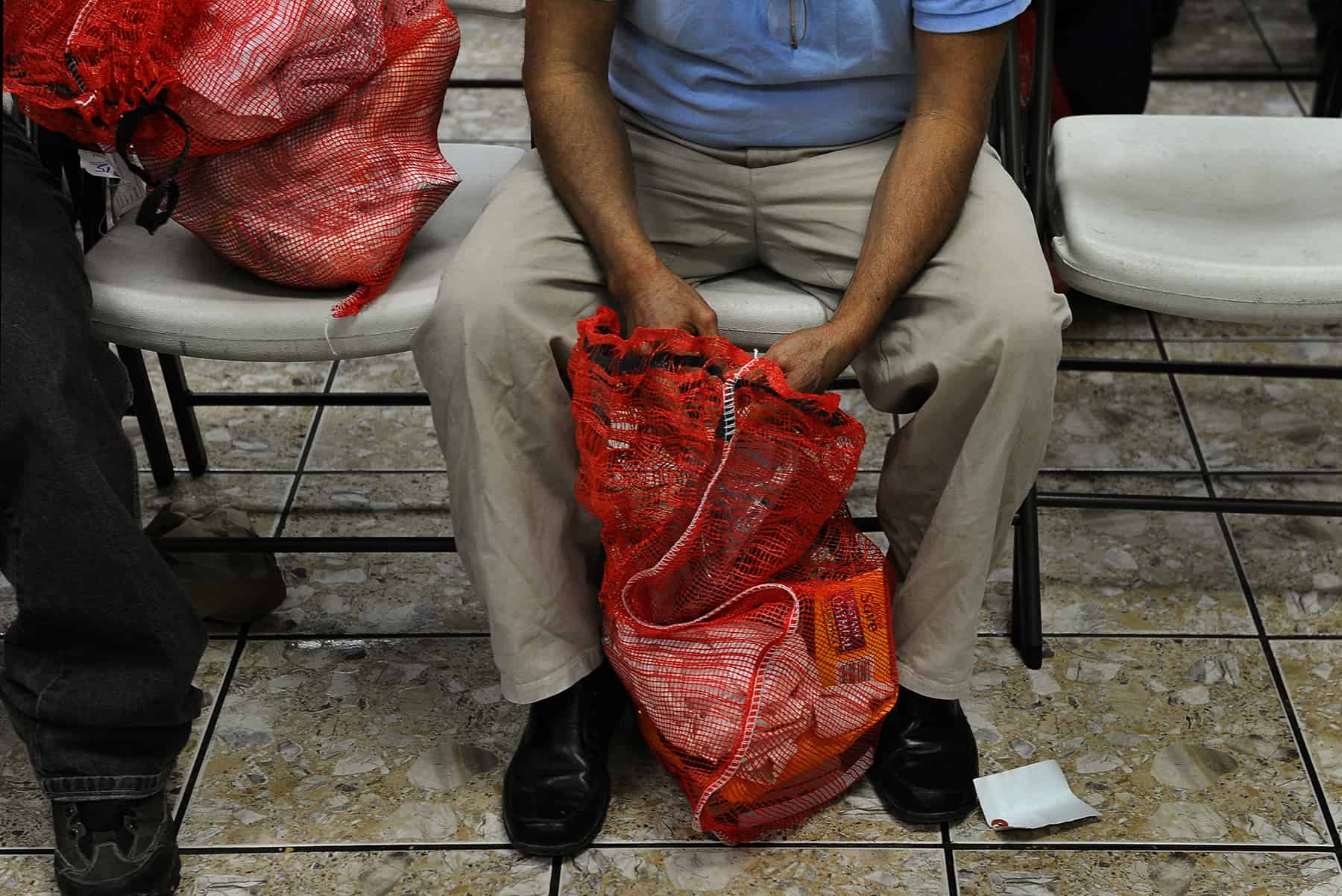
In February, the first group of 135 deportees arrived in San José, many showing signs of distress and unaware of their location, according to Costa Rica’s ombudsman. Officials confiscated passports and held them in a remote facility near the Panama border, a former factory turned migrant camp.
Human rights groups quickly raised alarms. They argued the setup violated rights, with detainees lacking access to education, health services, or legal options. In April, Costa Rica responded by granting special three-month permits to about 85 migrants, letting them move freely and apply for asylum or leave the country. But the permits barred work, leaving many in limbo.
By June, a Costa Rican court stepped in, ordering the release of remaining detainees within 15 days. The ruling required authorities to assess each person’s status and provide health, education, and housing support. This followed lawsuits claiming the government turned Costa Rica into a “dumping ground” for US deportees. Around 28 people, including 13 children, stayed in the camp at that point, with some opting for voluntary return home.
The new funding document, sent to congressional offices recently, outlines technical advice, logistical help, and air transport for deportations. It targets migrants without international protections or legal reasons to stay in Costa Rica. “The Department intends to support the Government of Costa Rica in conducting deportation operations of migrants that do not have international protections or other legal grounds to remain,” the document states.
Costa Rican ministries directed questions to the president’s office and foreign affairs ministry, but neither replied. Timing remains unclear, and changes could occur.
This fits into the Trump administration’s broader strategy since January, using deals with Latin American countries to speed deportations. Countries like Panama and Honduras have joined, sometimes under tariff threats. Panama’s 2024 deal, funded by the US, helped deport transit migrants but drew criticism for limiting asylum access.
Differences exist now: northward flows through the Darien Gap have dropped, while some Venezuelans head south through Costa Rica after US policy shifts ended humanitarian programs. The document doesn’t specify deportation destinations, possibly including third countries.
DHS Secretary Kristi Noem has visited Costa Rica, Panama, El Salvador, and Chile to talk immigration. Similar funding for other nations isn’t confirmed yet.
Advocates warn these setups risk safety, especially in countries with weak systems or poor rights records. As migration patterns shift, this funding highlights ongoing US efforts to manage borders through international partnerships.





