

HomeHealthChikungunyaDengue, chikungunya cases in Costa Rica up by over 600 percent

Dengue, chikungunya cases in Costa Rica up by over 600 percent

Although most of the interest these days is focused on the arrival in the country of the Zika virus, there’s been a staggering rise in other — and in many cases more serious — mosquito-borne diseases in the first months of the year.

The Health Ministry reported last week that the number of people in Costa Rica who have tested positive for dengue or chikungunya during the first five weeks of 2016 jumped more than 600 percent for both viruses compared to the same period last year.

A total of 3,253 people here have been diagnosed with dengue since January, while another 850 have tested positive for chikungunya. Both viruses cause fever, headaches, joint pain, extreme fatigue and rashes. Chikungunya can also lead to encephalitis, a potentially fatal brain inflammation.

Dengue is now present in 73 of the country’s 81 cantons, while chikungunya — which arrived in the country just two years ago — is present in 45.

Roberto Castro, director of the ministry’s health analysis unit, said the sharp increase in patients with the two viruses is at least partially due to unusual weather. Dengue and chikungunya cases usually peak here in the last few months of the year, during the transition from the rainy season to the dry season. That transition usually ends in December, but this year the rainy season ended late, thanks in part to the effects of El Niño and climate change.

“Most of these cases would have normally occurred in December,” Castro said.

According to the latest data, Alajuela and Puntarenas provinces have the most confirmed cases of dengue, with 1,081 and 845 respectively. Puntarenas is also the province with the most cases of chikungunya with 408, followed by Guanacaste with 328.

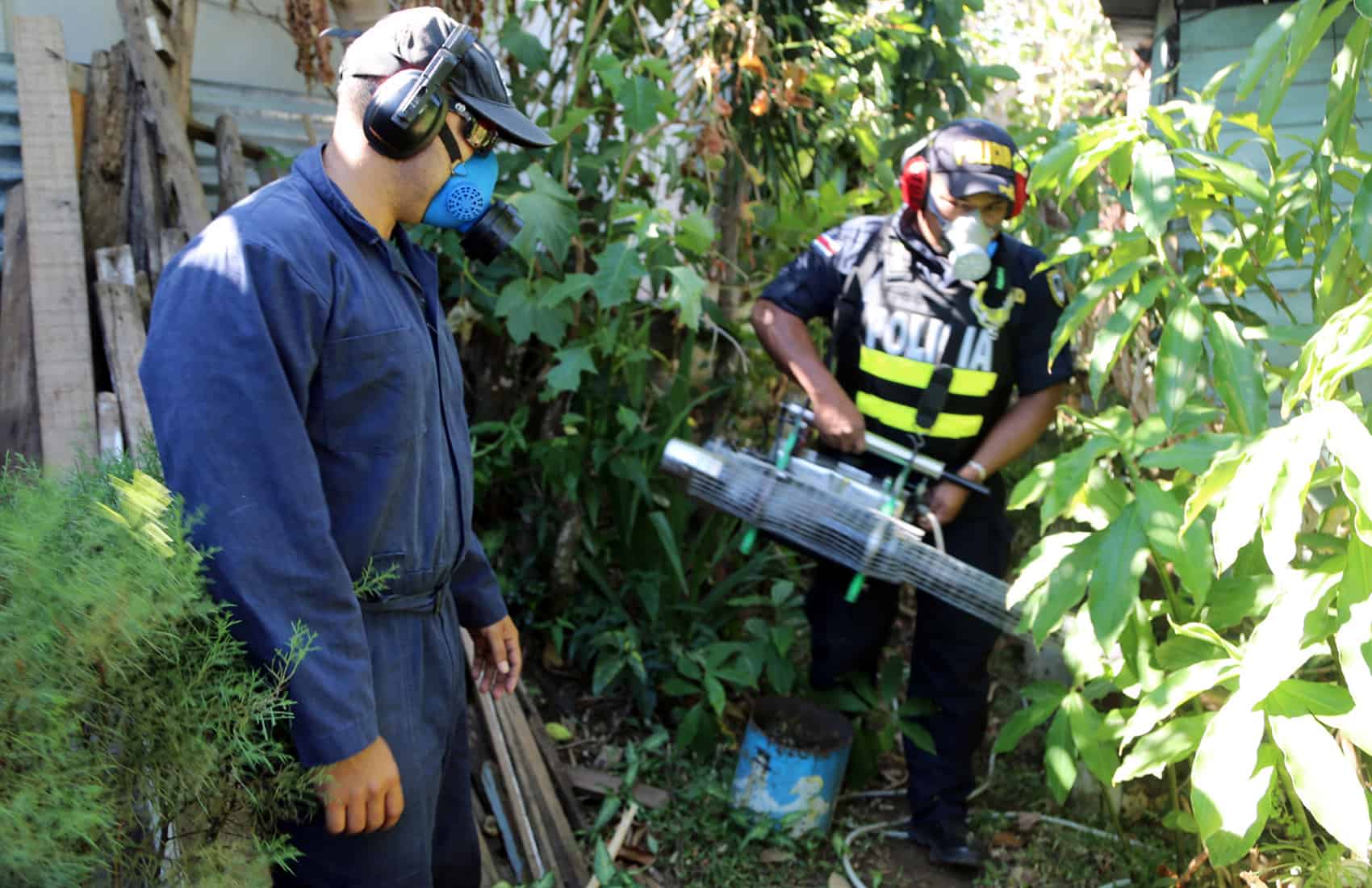
Health ministry officials launched fumigation campaigns this month in areas with a high incidence of the viruses and with large populations of Aedes albopictus and Aedes aegypti mosquitoes — the species that carry dengue, chikungunya and Zika. Authorities are also warning the population to eliminate objects where water can stagnate and serve as breeding sites for mosquitoes.

Ministry teams also started adding Spinosad, an insecticide made from the bacteria Saccharopolyspora spinosa, to swimming pools, ponds, fountains and other large bodies of stagnant water. Spinosad is not known to represent a toxicity risk for humans, but it does act on the nervous systems of mosquito larvae, killing them within 48 hours.

Trending Now

Costa Rica Airport Warns Drone Incidents Are Disrupting Flights

Reports of drones flying near San Jose's Juan Santamaría International Airport have increased sharply this year, prompting airport officials to warn that unauthorized flights...

US Diesel Export Ban Talk Puts Costa Rica Fuel Prices on Edge

Trump backs a ban on US diesel exports as Costa Rica, which buys much of its diesel from the United States, faces a proposed increase of up to 100 colones per liter in October.

Costa Rica’s Rincón de la Vieja Volcano Remains Active

Rincón de la Vieja volcano continued producing small eruptions and releases of gas today, a day after a moderate eruption sent a plume as...

Five More Arrested as Costa Rica Steps Up Sea Turtle Protection at Ostional

Five more people have been detained during sea turtle protection operations at Ostional National Wildlife Refuge in Guanacaste, bringing the number of people arrested...

Costa Rica Ranks Fifth in the World for Retirees in Global Relocation Index

Costa Rica ranks 20th out of 192 countries and territories in the 2026 Global Relocation Index, and fifth in the world for retirees, according...

Costa Rica Velodrome Shows Damage Less Than Two Weeks After Upgrade

Less than two weeks after reopening following more than ₡105 million (about $219,000) in repairs, the velodrome at Parque de La Paz in southern...

More Than 50 Earthquakes Shake Area Around Costa Rica’s Irazú Volcano

More than 50 small earthquakes struck the area around Irazú Volcano this morning, but seismologists say the activity points to movement along a shallow...

Costa Rica’s Two-Century Fight to Keep Its Orchids

For nearly two centuries, Costa Rica's forests have drawn collectors chasing the same prize. It has one of the richest orchid floras on the...

Heavy Rains Hamper Access to Irazú Volcano and Costa Rica’s Caribbean

Heavy rains caused a landslide on Route 219 toward Irazú Volcano and forced another closure of Route 32, disrupting travel across two important Costa Rica routes.
L. Arias
L. Arias
Reporter | The Tico Times |
🌴 The Weekly Pura Vida

Costa Rica, Once a Week

The week's top stories, weather & insider tips — delivered every Sunday. One email, zero clutter.

🔒 Free. No spam. Unsubscribe anytime.

Loading…

Latest News from Costa Rica

Costa Rica Coffee Maker Chorreador
Costa Rica Car Rentals
Costa Rica Travel Insurance
Costa Rica Travel



