

Condominiums and gated communities are popular in Costa Rica for a simple reason: security. Knowing a professional management company watches the property lets you lock up and leave without worrying. But that convenience comes with a monthly bill that catches a lot of buyers off guard — the condo fee, also called the HOA fee.
It can run several hundred dollars a month, sometimes more, and buyers who didn’t budget for it can find themselves strained, or worse. If you’re financing, a fee you failed to account for can be the difference between comfortably making your mortgage payment and falling behind on it. So before you buy, understand what these fees cover, what makes them rise, and how to budget for them.
What condo fees cover and why they add up
The single biggest cost in almost any condo fee is security. A guarded community needs coverage around the clock, which means more than one guard per post to cover shifts, days off, vacation and sick leave — plus their mandatory social-security (CCSS) contributions and insurance (INS). Add the monitoring equipment, the gate and the guardhouse, and security alone can run into the thousands of dollars a month for the community.
After security come the amenities. The pool, gym, playground, tennis or basketball courts, walking trails, even dog parks — all of them cost money to maintain. So do the systems you don’t see: water treatment plants, backup water, pumps, and generators (especially in buildings with elevators). Then there’s ongoing upkeep of the common areas: repainting, replacing cameras and razor wire, repairing streets and sidewalks, and gardening, which is a major expense in larger or rural communities.
Two structural factors drive the per-owner fee up. Size is the big one: a community’s costs are split among its owners, so a development with 10 units charges each owner far more than one with 200. More the merrier, in other words. Layout matters too — a community with several entrances needs more guard posts, and each post multiplies the staffing cost.
One cost that isn’t always built into the monthly fee is fire and earthquake insurance. In a seismically active country, that coverage matters — confirm whether the condominium carries it and exactly what it protects. And be aware that the monthly fee doesn’t always cover everything: many condos levy an annual extraordinary fee or a special assessment for big-ticket items, so budget for those on top of the regular fee.
The pre-construction trap
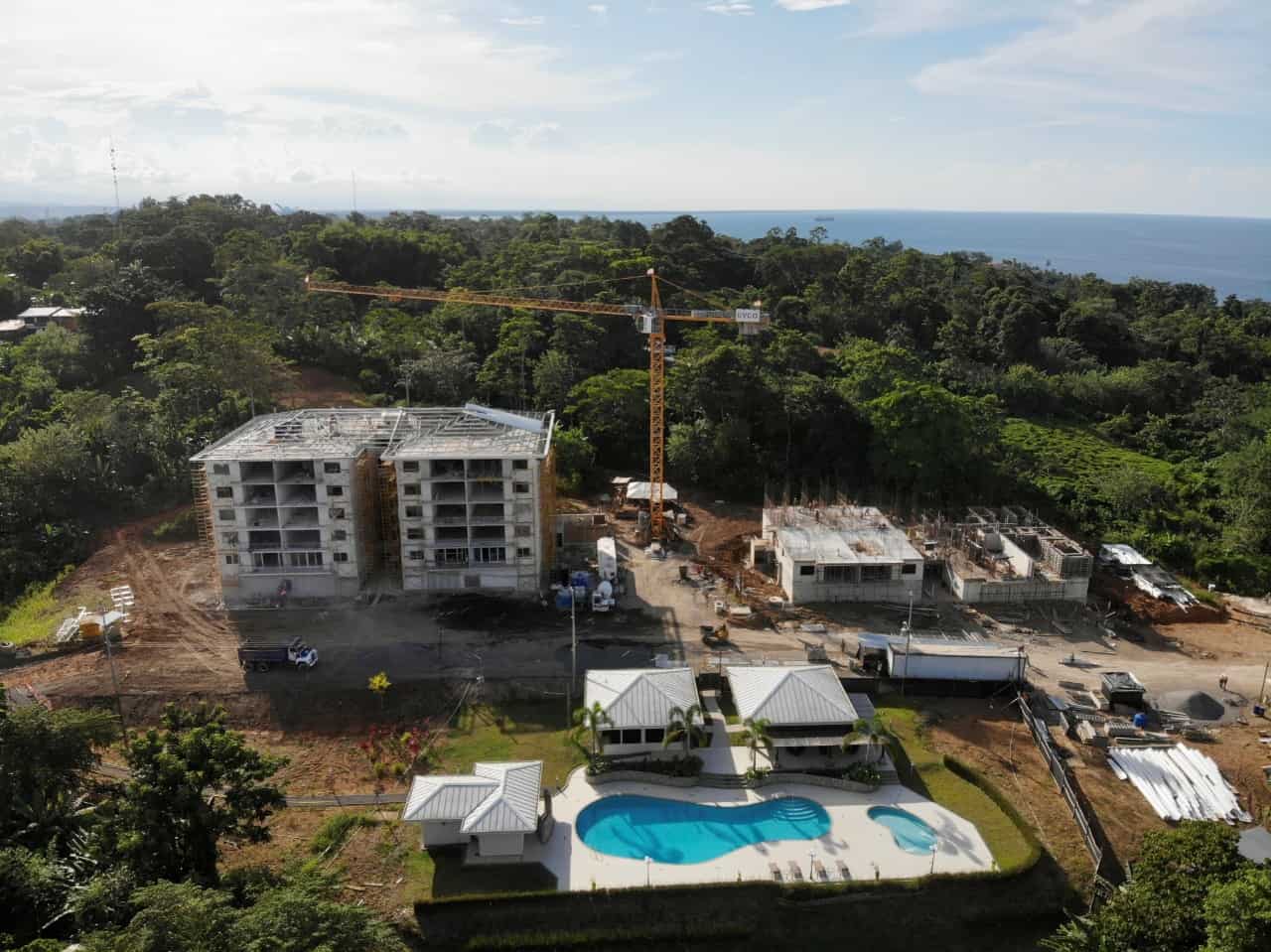
Here’s where buyers get burned most often. When you buy into an existing condominium, the administration can tell you the exact fee. But when you buy from a developer in pre-construction or while construction is ongoing, the fee is rarely mentioned unless you ask — and even the developer often doesn’t know yet what it will be.
The reason matters. Developers typically keep the fee artificially low, and cover the security themselves, until the project is around half sold, then hand administration over to the homeowners association — often only once all the amenities are finished, which developers tend to leave for last. When the HOA takes over and the real costs land on the owners, the fee can double or even triple. A teaser figure of a couple hundred dollars can become five or six hundred, and a buyer who budgeted around the low number is suddenly in trouble.
Protect yourself by not trusting the developer’s number. Look at comparable existing condominiums nearby, ask what they actually charge, count the units in your prospective development, and build a realistic fee into your budget before you commit. A community that looks great on paper can still be a bad investment if the true running cost doesn’t fit your finances.
Don’t overlook parking
Parking is the quiet dealbreaker in Costa Rica’s condo market, and it ties directly to resale value. Costa Rica has generally not required developers to provide a set number of spaces per unit, so a new condo often comes with just one — and an extra space costs money, with developers known to charge as much as $10,000 for one (a space runs about 15 square meters, or 160 square feet).
That collides with how people actually live now. Developers are building one-bedroom condos aimed at working couples, who frequently need two cars; even three-bedroom units often come with only two spaces, a problem once the kids start driving. Visitor parking won’t save you, either — most condo bylaws restrict it to actual visitors for limited periods.
The resale math is simple: a two-car family that walks into your one-space condo will walk right back out. Whether you buy new or resale, make sure there’s enough parking for your needs and a likely future buyer’s. If you buy an extra space you don’t end up needing, you can usually rent it to another owner who wasn’t as careful.
One point of law turns a piece of good practice into something you cannot afford to skip. Under Costa Rica’s condominium law, Ley 7933, unpaid common-expense quotas along with any fines and interest they generate become a mortgage lien on the unit itself, ranking ahead of everything except property tax. And when a unit changes hands, the seller must give the notary a certification from the administrator confirming the fees are current. If they are in arrears, the law treats you, the buyer, as jointly liable for the certified amount. You can pursue the seller afterwards, but the condominium can come to you first. That certification is not a formality. It is what stands between you and someone else’s debt.
So before you buy any condo, do three things. Get the current fee in writing, and at closing insist on the administrator’s certification rather than a casual assurance. Read the full bylaws for the rules on parking, pets and rentals. And fold the fee, plus possible special assessments, into your real monthly budget alongside your mortgage, insurance, property tax and any luxury home tax. For how condo costs fit into the bigger picture, see our complete guide to buying property in Costa Rica.





