

Costa Rica doesn’t take direct hurricane hits often, but this year’s El Niño is playing out with the same shape as one, tracked for months with a clear window to prepare before it peaks and a long recovery afterward. Forecasters flagged its likely arrival back in April, and by late July the National Emergency Commission confirmed the drought had already surpassed the severity of the 1997 and 2015 events in some regions, with rainfall running as much as 80 percent below normal.
Fifty-four areas now sit under yellow alert. If you have any doubts talk to a friend that lives in Limon and one that farms is the Northern Pacific, we have. The worst of it, the equivalent of the eyewall, is expected between September and December, with effects lingering into early 2027. September and October are usually the rainiest time of the year.
Agriculture is already feeling it. Rice growers in Guanacaste and Puntarenas have abandoned planting entirely this season, and vegetable prices have climbed sharply as pests spread faster in the heat. Tomatoes jumped 174 percent between January and July, sweet peppers rose 49 percent, and onions are up more than 60 percent year over year.
Cattle ranchers face similar strain, with pasture growth projected to fall as much as 75 percent in the driest zones. Electricity is where the water shortage becomes everyone’s problem. Costa Rica generates roughly 70 percent of its power from hydroelectric dams, and reservoir inflows are projected to drop 15 to 25 percent this year.
The state utility ICE says blackouts aren’t planned, but it’s burning far more bunker fuel for backup generation, fuel use that’s expected to double by year end, and renting additional thermal capacity under a $415 million contract. The national regulator has already projected an 8 percent rate increase for 2027, and if Costa Rica loses access to cheaper imported power from an equally drought stricken Panama, one utility official has warned prices during dry months could double or triple.
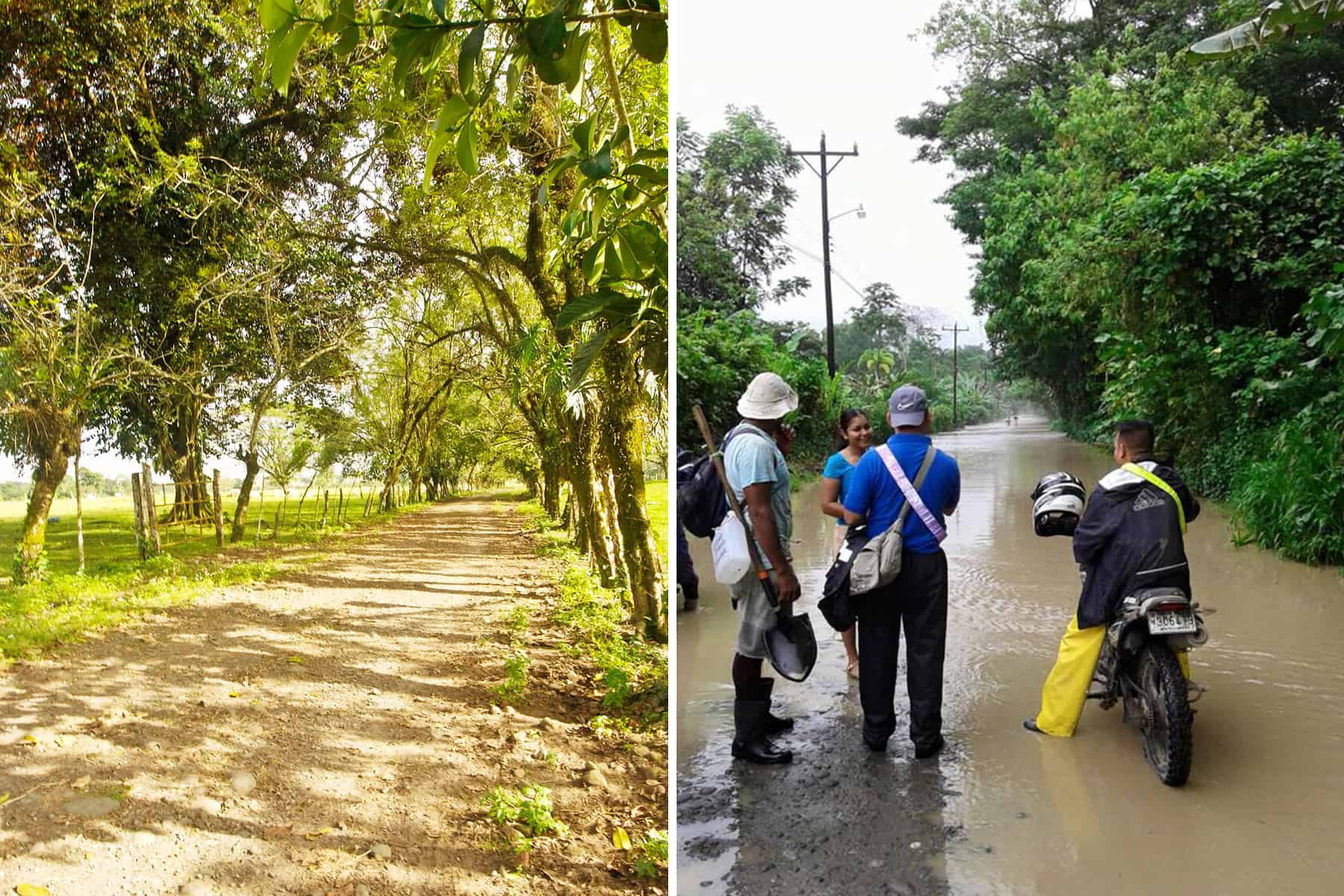
Tourism splits by coast. Pacific hotels face real water scarcity risk and are investing in storage tanks and backup systems now, alongside a subtler risk that international perception of drought could soften visitation. Caribbean properties face the opposite problem, with heavier than usual rain threatening roads, bridges, and infrastructure built for a drier pattern.
The before phase looks like hurricane prep spread over months rather than days. Officials are urging households to cut water and electricity use now, since the national grid and reservoir system function as one shared resource regardless of local rainfall. Farmers are being pushed toward drip irrigation and earlier planting decisions. Tourism operators are shoring up water and drainage infrastructure ahead of their respective seasons.
In dry areas, residents are asked to avoid open burning entirely and report any fire immediately, given how early this year’s wildfire season started, already more than 10,000 hectares burned. The after phase is where this behaves less like a hurricane and more like a drawn out recovery. There’s no single cleanup day.
Higher electricity bills will land well after the dry season ends. Vegetable prices may take a full growing cycle to normalize. Burned land in Guanacaste will need seasons, not weeks, to recover. Unlike a storm that ends when it passes, El Niño’s costliest effects arrive on a delay, which means the preparation happening now is what determines how rough that delayed bill actually feels.





