

Costa Rica is preparing for a difficult El Niño cycle that could put pressure on water supplies, electricity costs and tourism services in some of the country’s most visited regions through the second half of 2026 and into early 2027.
The climate event is already being treated as a national planning issue, not a distant forecast. The latest projections point to hotter temperatures, lower rainfall across the Pacific slope, tighter water conditions in vulnerable communities and added pressure on a power system that still depends heavily on hydroelectric generation.
The government has launched a national strategy with 247 actions and an investment of about $180 million to reduce the impact. The plan includes water and electricity savings campaigns, temporary thermal power generation, monitoring of water treatment plants, support for livestock producers, irrigation improvements, water reservoirs, agricultural calendar adjustments and the use of tanker trucks in areas that may need emergency supply.
The sharpest concern is in Guanacaste and the Pacific coast, where rainfall deficits could be severe. The North Pacific could receive up to 50% less rain than normal in the coming months, while the Central Pacific and the Central Valley could also see major reductions. Temperatures are expected to rise by 1°C to 2°C above normal in several areas, with Guanacaste among the most exposed.
That matters for tourists and foreign residents because many of the places most likely to feel the strain are also major travel and expat destinations. Liberia, La Cruz, Bagaces, Cañas, Carrillo, Nicoya and Santa Cruz are among the areas under close watch for possible water stress. The Central Pacific, including Jacó, Parrita, Quepos, Orotina and nearby communities, is also being monitored.
The risk is not simply that it will be hotter and drier. Lower rainfall can reduce river flows, slow aquifer recharge and increase demand for water at the same time. That combination can create problems for homes, hotels, restaurants and other services, especially in coastal areas where dry-season demand is already high.
Water officials have identified dozens of locations for monitoring as El Niño strengthens. The possible measures include controlled water supply schedules, tanker truck service, pressure controls, repairs to leaks, new wells and more storage capacity. Some communities could face temporary suspensions during certain hours if local systems come under stress.
The electricity sector faces a separate but related problem. Costa Rica’s power grid relies heavily on water, with hydroelectric plants supplying a large share of national electricity. When rainfall drops, river flows and reservoirs fall. That forces the country to use more backup generation, including thermal plants, which are more expensive and run on imported fuel.
Electricity authorities have said nationwide power rationing is not expected at this stage, but they have not ruled out higher electricity bills in the second half of the year. ICE plans to rent 273 megawatts of thermal generation as an immediate backup and add 100 megawatts of new solar energy during 2026. The goal is to avoid shortages while covering demand during a dry and hotter period.
The tourism sector may feel the pressure indirectly. A hotel may not be the cause of a water shortage, but it can still be affected by one. The same is true for restaurants, rental homes, beach communities and tour operators that depend on stable water and electricity service. In the North Pacific and Central Pacific, any controlled water schedules or higher utility costs could become part of daily operations during peak travel periods.
The issue comes at a sensitive time for Costa Rica’s tourism industry. Guanacaste has been one of the strongest travel regions, helped by direct international flights, major resorts and strong demand from North American visitors. But El Niño could test the basic services behind that growth, particularly in communities where water supply has long been a point of tension.
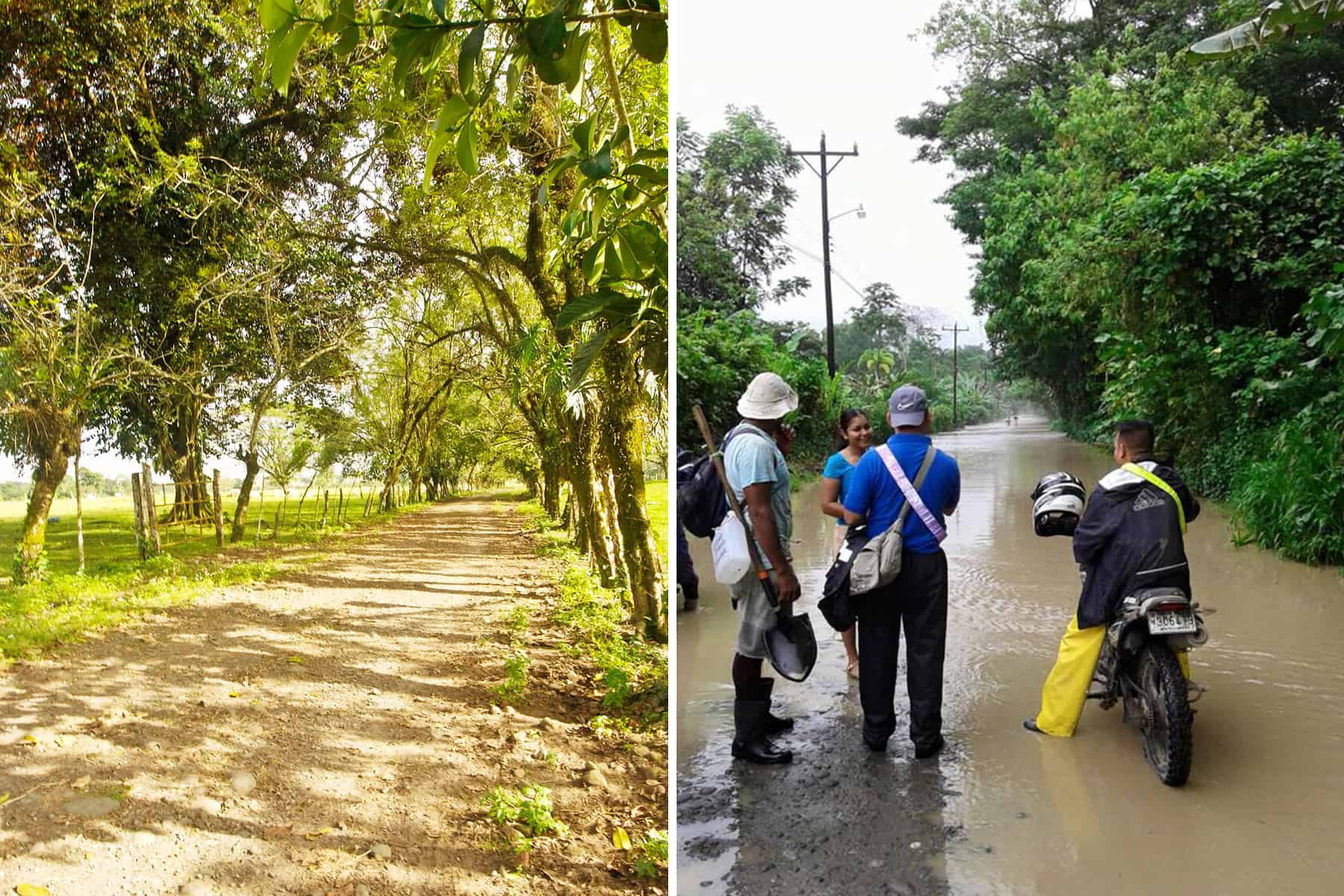
The Caribbean and northern regions may see a different pattern, with more rainfall than usual in some areas. That does not remove the risk. Heavier rain can affect roads, water infrastructure and local flooding in places that face the opposite side of the same climate event.
As always prepare rather than panic. Authorities say their monitoring the event, planning around the most exposed areas and trying to avoid the kind of emergency response that comes only after shortages appear.
El Niño is a natural climate cycle, but this one arrives in a Costa Rica that is more populated, more tourism-dependent and more energy-hungry than in past decades. The coming months will test how well the country can protect its water supply, keep electricity stable and maintain tourism services in the regions most exposed to heat and drought.





