

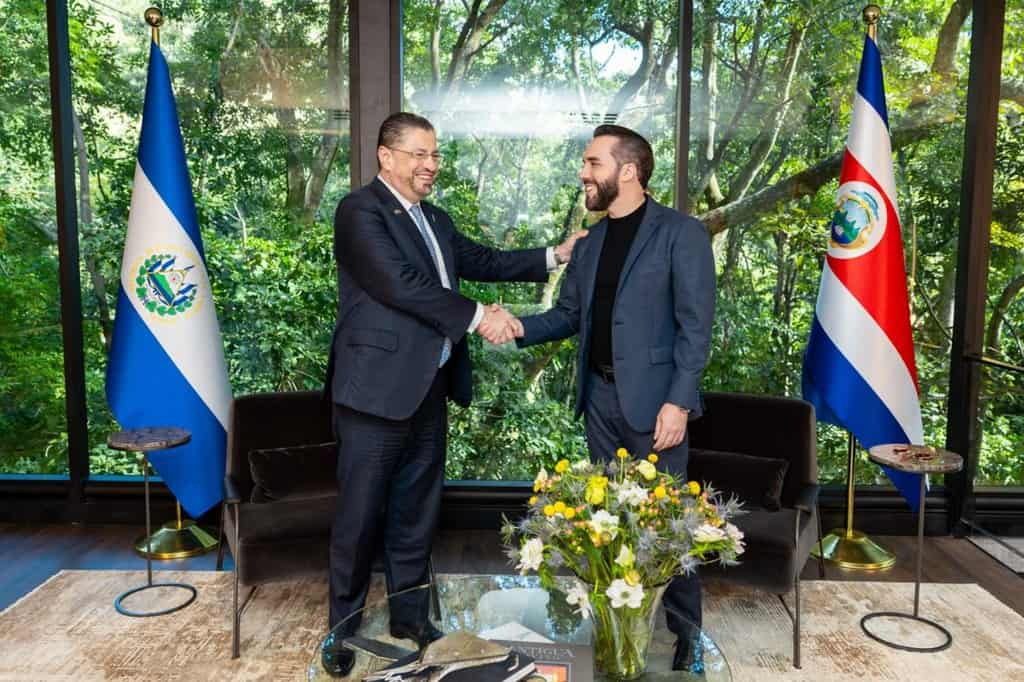
The Supreme Electoral Tribunal (TSE) is examining a request to bar Salvadoran President Nayib Bukele from entering Costa Rica ahead of his planned visit next week. TSE President Eugenia Zamora confirmed on Friday that the tribunal received an electoral appeal from a citizen. The filer claims Bukele’s presence could compromise the neutrality of Costa Rica’s ongoing electoral process.
Bukele intends to visit the High-Level Organized Crime Containment Center (CACCO) under construction in Alajuela, a project led by President Rodrigo Chaves. “The tribunal has an electoral injunction on hand that seeks to prevent President Bukele from entering during his visit,” Zamora said. She noted the request came from an individual unaffiliated with any political party or candidate Claudio Alpízar. Zamora withheld further details pending the tribunal’s review.
When pressed on whether the TSE holds authority to restrict entry for Bukele or any foreign leader, Zamora offered no comment. “This falls under electoral protection, so we hold off on discussing the case until deliberations end and we issue a ruling,” she explained. The appeal follows allegations from National Hope candidate Claudio Alpízar, who on Thursday urged the TSE to probe claims that Bukele funds the campaign of Laura Fernández and her Pueblo Soberano party.
Alpízar suspects campaign funds might arrive via Bukele’s plane and called for scrutiny of the president’s entry. President Chaves and ruling party leader Pilar Cisneros announced Bukele’s visit during a weekly press briefing. Set for Wednesday, the trip includes laying the foundation stone at the CACCO site in La Reforma, Alajuela.
“We welcome President Nayib Bukele next week to witness progress at CACCO, our new prison facility,” Chaves stated. He added that Bukele would offer advice and demonstrate effective security measures amid public demands for safer communities. The CACCO project draws inspiration from El Salvador’s approach to combating organized crime, including large-scale detention centers. Chaves has praised Bukele’s strategies as models for Costa Rica’s efforts to address rising crime rates.
Critics, including opposition figures, question the visit’s timing amid elections. They argue it could sway voters or breach campaign rules on foreign influence. The TSE’s decision could set precedents for handling international involvement during electoral periods. As the tribunal weighs the request, Bukele’s itinerary remains unchanged. Salvadoran officials have not responded publicly to the appeal. Chaves dismissed interference concerns, emphasizing the visit focuses on security cooperation rather than politics.
The electoral calendar intensifies scrutiny on such matters. Costa Ricans head to polls in February, with candidates vying on platforms including crime reduction and economic stability. Any ruling from the TSE could arrive before Bukele’s scheduled arrival on Tuesday.
Officials stress that the process upholds democratic principles. Zamora reiterated the tribunal’s commitment to fair review without external pressure.
This development highlights tensions between bilateral ties and electoral integrity. Costa Rica and El Salvador maintain strong relations, particularly in security initiatives, but domestic politics add layers of complexity. The outcome may influence public perception of Chaves’ administration and its foreign partnerships. Voters watch closely as campaigns unfold.





