

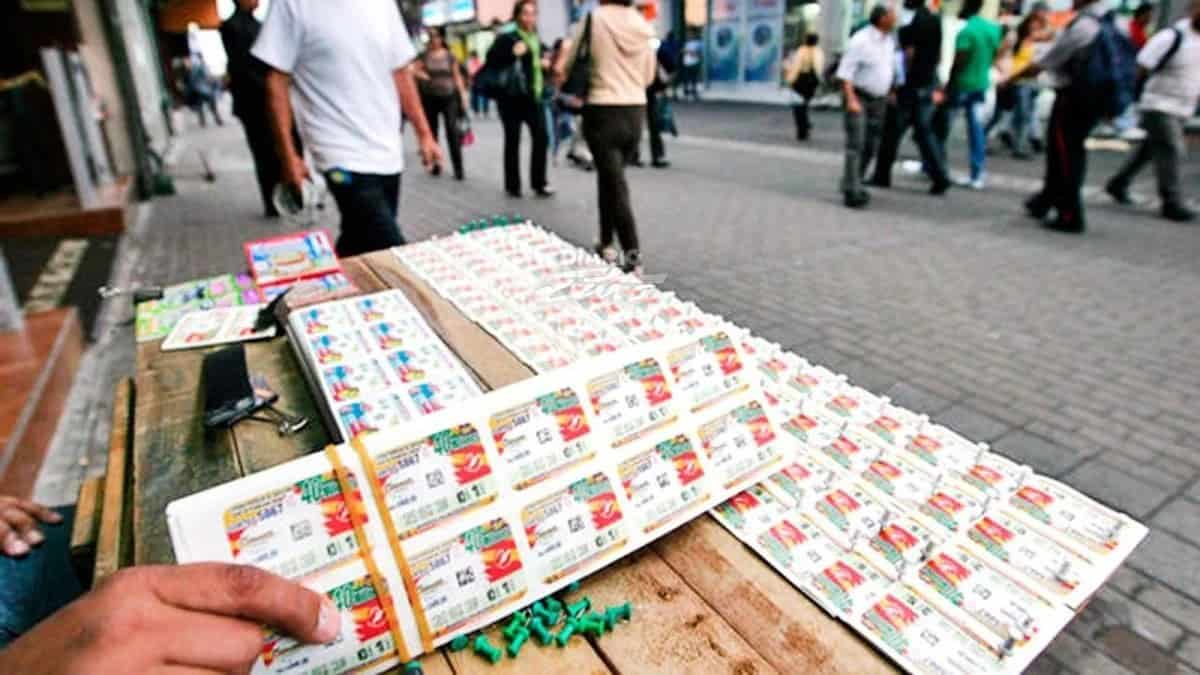
One of Costa Rica’s most familiar mid-year rituals is back on the streets. The Junta de Protección Social, known as the JPS, officially launched sales Monday for the 2026 Gordito de Medio Año, the country’s major mid-year lottery draw. This year’s edition will distribute more than ₡4.8 billion in prizes and will be drawn on Sunday, July 5.
For many us here in Costa Rica, the Gordito is more than a chance at a windfall. It is part of the rhythm of the year, sitting somewhere between national habit, street culture and public fundraising. Lottery vendors appear outside markets, bus stops, banks, parks and government buildings, calling out numbers and series to regular customers who often have their own lucky combinations.
This year’s draw comes with a prize structure large enough to draw national attention. The top prize is ₡500 million per emission, and the lottery will be issued in three emissions of 100,000 tickets each. That means the top prize reaches ₡1.5 billion across all emissions.
Each whole ticket, or entero, costs ₡25,000 and is divided into 10 fractions. Each fraction, often called a pedacito, costs ₡2,500. A person who buys a winning fraction of the main prize would receive ₡50 million.
The second prize is ₡80 million per emission, or ₡8 million per fraction. The third prize is ₡40 million per emission, or ₡4 million per fraction.
The JPS said tickets are available through authorized lottery vendors and through its official online platform. The agency also reminded buyers to purchase only legal lottery from authorized sellers or official channels, a warning that often becomes more urgent around high-demand draws, when popular numbers can attract resale markups.
To discourage overpricing, the JPS will open an “Espacio Libre de Especulación,” or speculation-free sales area, on July 3, 4 and 5 at its main entrance. Authorized vendors will sell numbers and series there at the official price.
The lottery also carries a social purpose. The JPS estimates this year’s Gordito de Medio Año will generate more than ₡751 million in income for authorized lottery vendors and more than ₡916 million for social welfare programs. Those funds support organizations and institutions that serve vulnerable populations across Costa Rica.
That dual purpose is part of why lottery remains so visible in Costa Rican daily life. Buying a pedacito is often treated as a small gamble, but also as a contribution to a public system that has long tied lottery sales to social programs.
The mid-year draw also arrives with extra promotions. The JPS announced a digital collectible promotion available from June 22 to July 6 through its JPS Plus and JPS a su Alcance apps. Participants can compete for prizes of ₡1 million, ₡750,000 and ₡500,000, with that promotional drawing scheduled for July 9.
Another promotion, Quiniela Mundial 2026, links the lottery to World Cup fever. Players can scan National Lottery or Popular Lottery fractions through official JPS apps and make predictions on official World Cup matches for a chance at prizes of up to ₡10 million.
For newcomers to Costa Rica, the system can be confusing at first. Lottery tickets are not usually bought as single printed slips from a machine. Instead, many people buy fractions of larger tickets from street vendors. A full entero gives the buyer all 10 fractions of that number and series. A single fraction gives the buyer one-tenth of the prize if that ticket wins.
That is why conversations around the Gordito often include not just the prize amount, but whether someone bought an entero, a few pedacitos, or only one lucky fraction.
The July 5 draw will be closely watched by players across the country, but the cultural scene has already started. For the next two weeks, the Gordito de Medio Año will be part of the background noise of Costa Rica: vendors calling numbers, families splitting tickets, coworkers pooling money, and buyers wondering whether this is the year their pedacito finally hits.





