

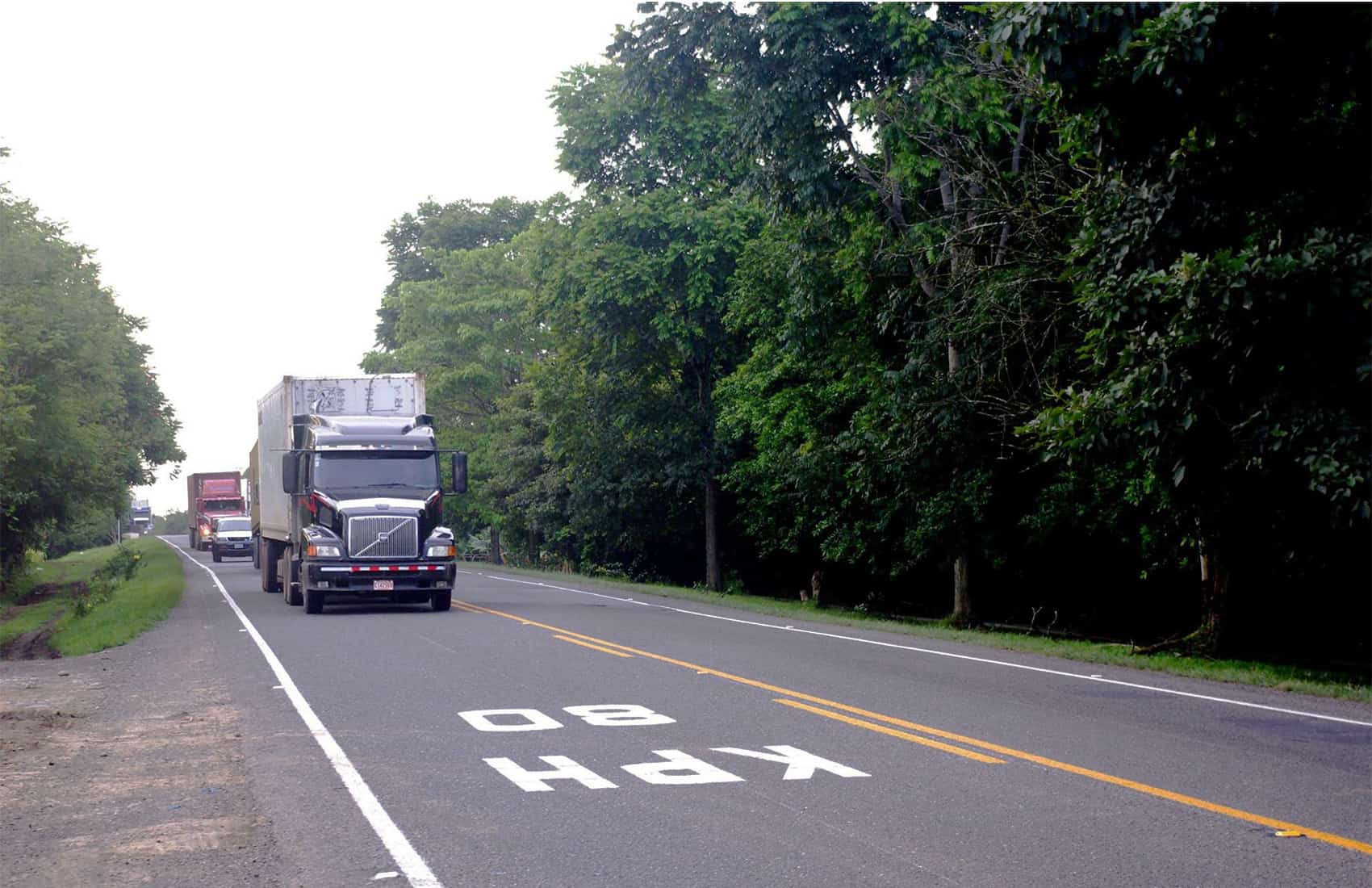
Drivers and businesses in Costa Rica now have access to a fully expanded Route 32, after authorities completed the long-awaited four-lane upgrade on December 28. The project covers 107 kilometers from Río Frío to Limón, turning the key Caribbean highway into a smoother path for both passengers and cargo.
The Ministry of Public Works and Transport finalized the work with an extra $15 million from national funds, wrapping up a process that faced multiple delays over the years. Crews added new lanes, rebuilt nine bridges, and installed 13 interchanges along with 24 pedestrian overpasses. These changes address past issues like narrow roads and frequent bottlenecks that slowed traffic between the capital and the coast.
Travelers heading to Limón or popular spots like Cahuita and Puerto Viejo will notice shorter drive times. What once took over four hours from San José to Limón can now drop by up to an hour in good conditions, depending on traffic. Freight trucks, which carry about 80 percent of the country’s imports and exports through the port of Moín, stand to gain the most. Companies report that the wider road reduces risks from landslides and sharp turns that plagued the old two-lane setup.
Local officials point out how the upgrade strengthens connections for tourism and trade. Day trips from the Central Valley to Caribbean beaches become more practical, with easier scheduling for guided tours or family outings. Airport transfers from Juan Santamaría International to coastal hotels also improve, as buses and shuttles face fewer delays. In Limón province, communities expect a boost in visitors and goods movement, supporting jobs in agriculture and shipping.
Construction began in 2018 under a contract with a Chinese firm, but setbacks from weather, design adjustments, and budget needs pushed the timeline back several times. The government stepped in earlier this year to cover remaining costs and speed progress. Now, with all sections operational, drivers must still watch for ongoing minor fixes and follow speed limits to maintain safety.
Residents along the route express relief after years of detours and closures. One truck driver from Guápiles said the new lanes cut his daily runs by enough time to add an extra delivery. Tour operators in the area plan to adjust itineraries, offering more flexible options for clients flying in for short stays.
The expansion aligns with broader efforts to modernize infrastructure in Costa Rica. While Route 32 handles heavy daily volumes, the four-lane design aims to handle growing demand from exports like bananas and pineapples. Authorities advise checking road updates via MOPT, especially during rainy periods when temporary restrictions might apply.
This development marks a step forward for the Caribbean region, where reliable roads play a central role in daily life and the economy. As the highway settles into full use, it promises steadier links between the highlands and the sea.





