

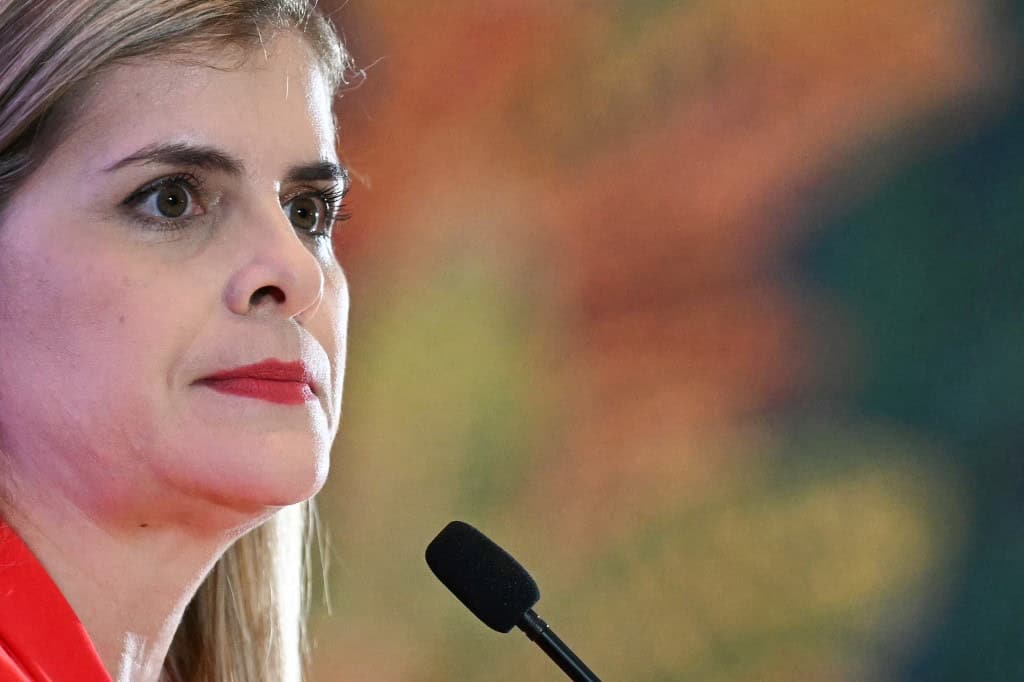
Laura Fernández, Costa Rica’s president-elect and current Minister of the Presidency, met with congressional party leaders today to request their support in advancing seven priority bills. These measures, seen as essential by the outgoing administration of President Rodrigo Chaves, aim to address infrastructure, security, and economic challenges before the legislative session ends in April.
Fernández approached the meeting with a call for cooperation. She asked lawmakers to set aside political differences and focus on national needs. “I come here respectfully to offer my help in advancing these projects,” she told the group. She proposed forming technical working groups to discuss the bills with experts from various sectors.
The seven bills cover a range of issues. One seeks to expand the San José-San Ramón highway, a long-delayed project to improve connectivity between the capital and the northwest. Another focuses on climate resilience, including the creation of an emergency operations center to better handle natural disasters. Budget support loans form a third priority, targeting funding for education, health, and security programs.
The interurban electric train is also on the list. Valued at around 800 million dollars, it would span 51 kilometers with 30 stations, linking Cartago, San José, Heredia, and Alajuela. Traffic congestion in the metropolitan area has worsened in recent years, making this initiative a potential relief for daily commuters.
A bill to streamline expropriations aims to speed up public investments by simplifying land acquisition processes. Fernández highlighted this as a way to get infrastructure projects moving faster. The mining proposal for Crucitas, in the northern region, would allow open-pit gold extraction. The site has been plagued by illegal mining, which uses harmful chemicals and damages the environment. Fernández argued that regulated operations could bring order and economic benefits.
The final bill involves reforms for medical specialists, intended to improve healthcare delivery. Fernández noted that these initiatives align with the government’s goals of fiscal responsibility and growth.
This push comes as Fernández prepares to take office in May. She won the February 1 election with 48.3 percent of the vote, avoiding a runoff. Her Sovereign People’s Party secured 31 of 57 seats in the Legislative Assembly, giving her a simple majority in the next term. That strength allows passage of ordinary laws and control over the agenda, but larger reforms, like constitutional changes, would require broader support.
Chaves appointed Fernández as Minister of the Presidency three days after her victory. The move, unprecedented in Costa Rica, lets her manage the transition while influencing current policy. Critics questioned the decision, but it positions her to bridge the two administrations.
Security remains a top concern. Homicides have risen under Chaves, linked to drug trafficking. Fernández campaigned on tougher measures, including completing a maximum-security prison and imposing stricter sentences. She has expressed interest in models from El Salvador, where aggressive anti-crime policies have reduced violence. However, she emphasized that Costa Rica’s approach would respect democratic traditions.
In the meeting, Fernández challenged opposition members on specific bills. She invited a deputy from the Broad Front Party to compare mining proposals in a working session. If the government’s version proves better, she suggested withdrawing blocking motions. This exchange showed her willingness to debate, contrasting with past tensions between the executive and legislature.
Reactions varied. Some lawmakers welcomed the dialogue. Others, from opposition parties, expressed caution. They noted the absence of security-related bills in the priority list, questioning the focus. Fernández explained that differences in approach with the current assembly led to that choice. She plans to introduce a package of security reforms in the new congress, including changes to juvenile penalties and prison management.
The economy also factors in. Fernández aims to maintain Chaves’ fiscal discipline while opening sectors like energy. Her platform includes fintech strategies, tax simplifications, and support for productive industries. Allowing payments in U.S. dollars for exporters could ease operations in the global services sector, a key economic driver.
Infrastructure lags have hurt growth. Projects like the train and highway could create jobs and boost tourism, a pillar of the economy. The Crucitas mining bill stirs debate. Supporters see revenue potential; opponents worry about environmental risks. Fernández pledged regulated mining to avoid illegal practices.
As the current assembly winds down, time is short. Sessions end April 30, leaving weeks for debate. Fernández’s majority in the next term reduces urgency for some, but she stressed the need for progress now. “These projects benefit the country,” she said. “Let’s work together.”
Her victory reflects voter frustration with crime and stagnation. Turnout reached nearly 70 percent, down from past highs but showing engagement. Fernández, at 39, becomes the second woman to lead Costa Rica after Laura Chinchilla. Her background in planning and policy under Chaves prepared her for the role.
Looking ahead, Fernández plans international outreach. She and Chaves will meet U.S. leaders to discuss anti-narcotics cooperation. Ties with the U.S. remain strong, focusing on migration, cybersecurity, and trade. Domestic reforms include updating the National Apprenticeship Institute to match job market needs. She listed 20 flagship infrastructure projects, including airports and roads, to drive development.
The meeting signals a shift. Past executive-legislative relations were strained. Fernández’s conciliatory start could foster progress, but challenges remain. Opposition parties hold enough seats to influence outcomes. Costa Ricans watch closely. These bills could shape the transition and set the tone for her presidency. Success here might build momentum for her agenda.





