

Lawmakers from multiple parties have raised concerns over President Rodrigo Chaves’ recent appointment of president-elect Laura Fernández as Minister of the Presidency. The decision, announced this week, places Fernández in a key cabinet role for the final three months of Chaves’ term, sparking debate about its purpose and legality.
Chaves made the announcement during a press conference at Casa Presidencial on February 4, 2026. He described the move as a step to ensure a smooth handover of power. Fernández, who served as Chaves’ Minister of National Planning and Economic Policy before becoming his Minister of the Presidency, won the presidential election on February 1 with roughly 48 percent of the vote. Her victory avoided a runoff and positioned her to take office on May 8.
The appointment comes amid Fernández’s promises to build on Chaves’ policies, focusing on security and economic reforms. Chaves, barred from seeking re-election under the constitution, has openly supported her campaign. Fernández has suggested she might offer him a position in her administration, potentially reversing their roles.
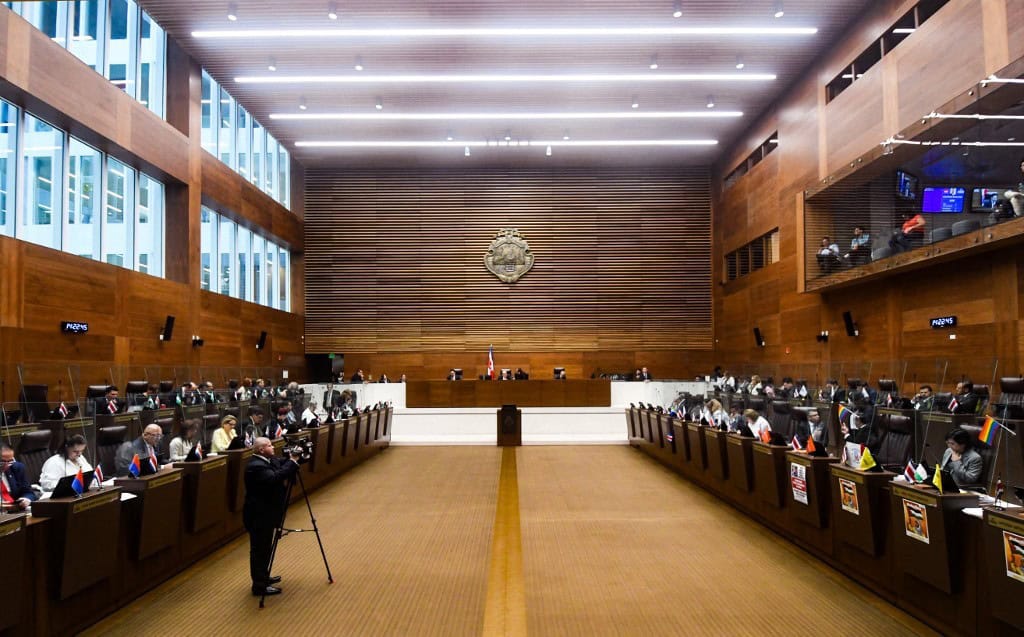
Critics in the Asamblea Legislativa argue the appointment blurs lines between the outgoing and incoming governments. Rocío Alfaro from the Partido Liberación Nacional (PLN) called it unnecessary, pointing out that Fernández should focus on her role as president-elect rather than return to a subordinate position. “This sets a poor example,” Alfaro said, emphasizing the need for clear separation during transitions.
Kattia Cambronero of the Partido Unidad Social Cristiana (PUSC) echoed those sentiments, labeling the decision unusual. She questioned whether it complies with legal standards for government appointments. “Presidents-elect typically prepare independently,” Cambronero noted. “This could complicate the process instead of streamlining it.”
Representatives from the Frente Amplio and Partido Liberal Progresista (PLP) also voiced opposition. Vanessa Castro from Frente Amplio described it as a strange maneuver that raises questions about influence and accountability. Eliécer Feinzaig of the PLP warned it sends a bad signal to the public, suggesting potential conflicts of interest. Óscar Izquierdo, another PLP member, urged a review by electoral authorities to confirm no rules were broken.
Supporters of the move defend it as practical. Chaves stated the appointment allows Fernández direct access to ongoing projects and decision-making. “We want a transition without gaps,” he explained. Fernández accepted the role, saying it aligns with her goal of continuity in addressing rising crime and economic challenges.
Costa Rica has seen increased violence linked to drug trafficking in recent years, despite its reputation as a stable democracy. Chaves’ administration prioritized tough measures against organized crime, a stance Fernández pledged to strengthen. Her election reflects public approval of that approach, with her party gaining seats in the legislature.
The controversy highlights tensions in Costa Rican politics. Opposition parties, which held a majority during much of Chaves’ term, often clashed with his initiatives. Fernández’s win gives her party a stronger position in the new assembly, potentially easing passage of reforms.
Legal experts have weighed in on the appointment’s validity. Some argue it falls within the president’s authority to fill vacancies, while others suggest it might test constitutional boundaries. No formal challenge has been filed yet, but lawmakers indicate they may seek clarification from the Tribunal Supremo de Elecciones.
As the transition takes place, attention turns to how this decision affects governance. Fernández faces the task of forming her cabinet while managing her temporary role. Chaves, meanwhile, prepares to step down after a term marked by economic recovery efforts and security crackdowns.
The episode shows the close ties between Chaves and Fernández. She credits him as a mentor and has adopted his right-wing populist style. Voters who backed her expect quick action on pressing issues like homicide rates and job growth. For now, the appointment stands. It serves as a bridge between administrations, but critics maintain it risks eroding public trust in the process.





