

Authorities at Juan Santamaría International Airport have moved forward with updates and expansions after a power outage in September halted air traffic across the country. The incident exposed weaknesses in the radar’s backup power, prompting quick fixes and broader improvements to keep operations running smoothly.
The trouble started on September 24 when a high-intensity electrical surge damaged a UPS battery in the main radar setup. This knocked out the system around 5:30 a.m., forcing officials to close Costa Rican airspace for over five hours. Flights at Juan Santamaría and other key sites like Guanacaste Airport ground to a halt, affecting 138 operations and stranding about 4,580 passengers. Some planes diverted to nearby countries, while others faced long delays or outright cancellations.
Civil Aviation leaders pinpointed the cause in an October report: the surge overwhelmed the battery, blocking secondary generators from kicking in. In response, technicians from the radar provider applied an update to the system early the next day. Since then, no similar issues have cropped up, and air traffic has stayed steady.
Public Works and Transport Minister Efraím Zeledón called for a full breakdown within three days of the outage. The directive pushed Aviation Civil to outline the root problems and lay out steps to stop repeats. Director Marcos Castillo met with teams and suppliers to review data, stressing the push for stronger safeguards.
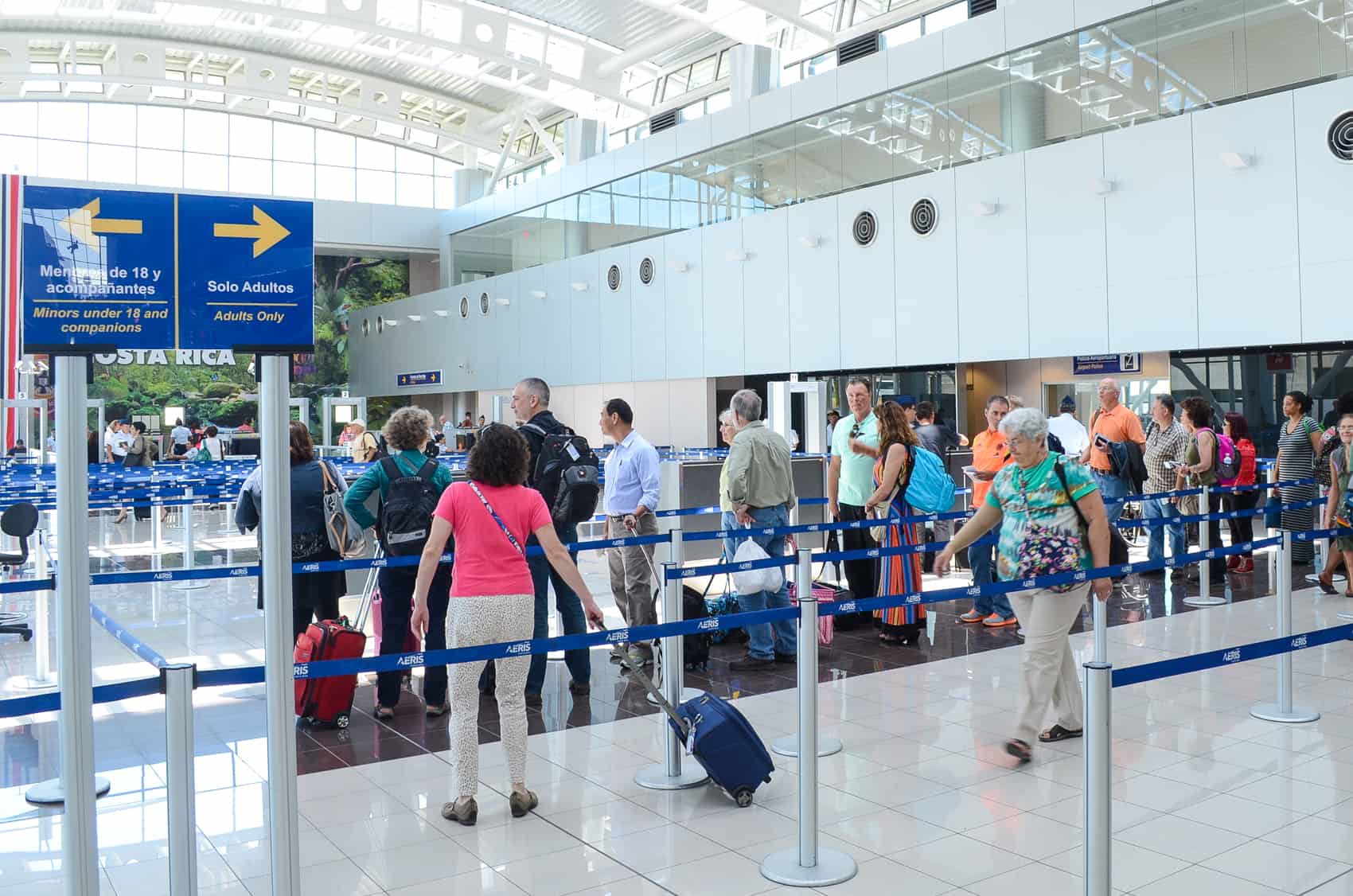
These efforts tie into a larger push at the airport. Manager AERIS rolled out a $390 million master plan in late November, set to run through 2027. The work adds over 10,000 square meters to the international terminal, upgrades baggage handling with automated drops and kiosks, and builds a new western platform for seven more aircraft spots. A realigned service road speeds up emergency access for fire crews, and LED lights cut energy use across the site.
Passengers and airlines stand to gain from faster processing and fewer holdups. The terminal growth targets bottlenecks in security and immigration, while the extra parking eases crowding on the tarmac. Officials say the changes build capacity for rising traffic, with tech tweaks aimed at steady performance.
Airport staff run daily checks on power setups as part of safety routines, folding in lessons from the outage. The plan factors in risk controls to handle spikes or failures better. With tourism and trade relying on reliable flights, these moves address gaps head-on.
Travelers hit by the September mess got updates through airport channels, and operations normalized by midday. Now, with the radar patched and big projects underway, Juan Santamaría aims to handle peaks without skips.





