

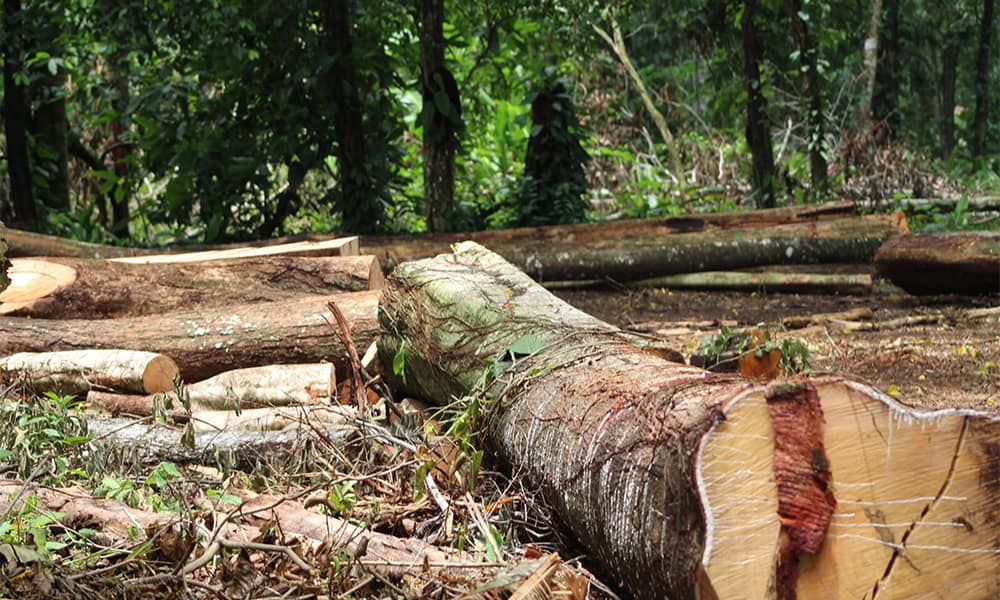
Costa Rica’s long been the poster child for green living, but lately, it’s grappling with a surge in environmental crimes that’s got folks talking. From hacked-down forests to trafficked wildlife, these “ecocides” are pushing the country to rethink its game plan—and local leaders are calling for tougher laws to match. Here’s the scoop on what’s happening and why it’s hitting close to home.
Environmental Prosecutor Luis Diego Hernández is sounding the alarm, urging lawmakers to get serious about crimes that trash the nation’s natural treasures. “We’re seeing real ecocides out there,” Hernández told reporters recently. “The tools we’ve got just aren’t cutting it—three-year penalties for wrecking ecosystems that keep our economy and society afloat? That’s not justice.” He’s got a point: illegal logging, poaching, and land grabs are on the rise, and the current slap-on-the-wrist fines aren’t scaring off the culprits.
Hernández isn’t just venting—he’s pushing for change. A bill he’s championing, file No. 23,952, aims to jack up prison sentences to as much as eight years for environmental offenses tied to organized crime. Tabled by the Frente Amplio party, it’s already cleared a key hurdle with majority committee approval and is now waiting for a full debate in the Legislative Plenary. “This isn’t petty stuff,” he said. “These crimes hurt us all—socially, economically, environmentally—and we need laws with teeth.” Think of it as Costa Rica saying, “Enough’s enough,” to the folks treating its jungles and beaches like a free-for-all.
What’s fueling this mess? It’s not just rogue loggers or poachers sneaking turtle eggs off Playa Ostional. Hernández spotlighted “green crimes”—shady moves by the very institutions meant to protect nature. Think altered land-use plans, shrinking wildlife refuges, or state lands handed over to big-money developers. “Corruption’s gumming up the works,” he warned. “It’s a global fight against climate change, and we’re losing ground when the system’s rigged.” He’s even flagged cases where permits get doled out like candy for construction projects while farmers get stiffed on water rights—hardly the “pura vida” fairness Ticos expect.
Then there’s the heavy stuff: drug cartels muscling in on the action. Hernández dropped a bombshell about narco groups tying their trafficking networks to environmental crime—think wildlife smuggling alongside cocaine, or airstrips carved out of state lands for drug runs. “Transnational organized crime’s got its claws in this,” he said. Just last year, cops nabbed 88 tons of coke hidden in fruit shipments—turns out, some of those same crews are peddling rare macaws or clear-cutting forests to launder their cash. It’s a double whammy that’s got local communities, from Guanacaste’s coast to the Osa Peninsula, feeling the pinch.
Take a step back, and it’s clear why this matters. Costa Rica’s biodiversity—5% of the world’s species in a speck of land—drives a tourism industry worth over $4 billion a year. When loggers hit places like Rincón de la Vieja or poachers raid turtle nests, it’s not just nature taking a hit; it’s jobs, too. Hernández’s reform push isn’t pie-in-the-sky—it’s got teeth, targeting the overlap between eco-crime and bigger criminal networks. If it passes, those eight-year sentences could make bad actors think twice.
For now, the fight’s heating up. Locals like María Gómez, a tour guide in Liberia, see the stakes every day. “Tourists come for the monkeys and the trees,” she said. “If we lose that, we lose everything.” With the bill teed up for debate, all eyes are on the Legislative Plenary to see if Costa Rica can keep its green crown—or if the ecocides will keep chipping away at it.





