

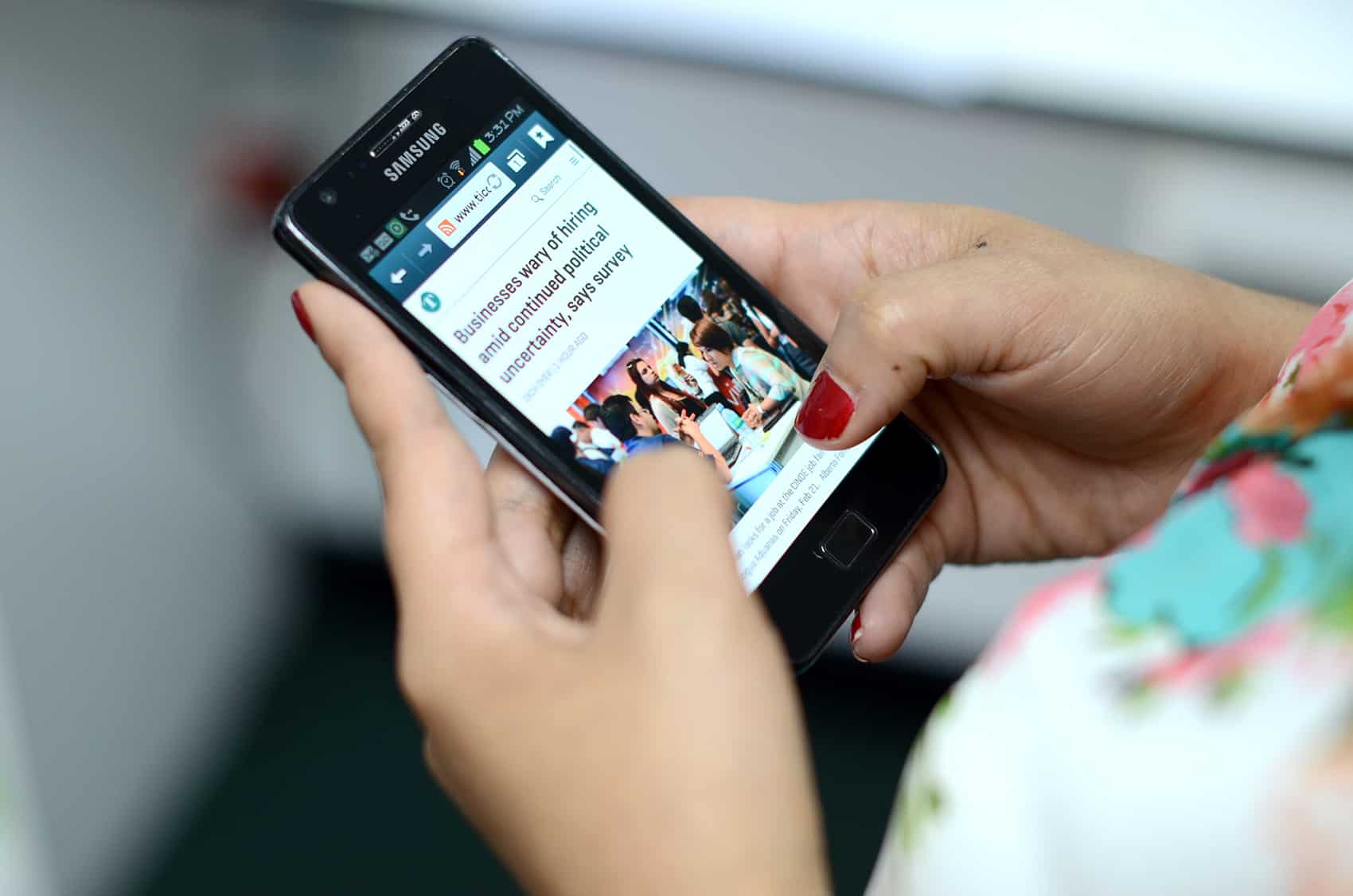
Costa Rica is getting its first taste of satellite connected cell phones, and both of the biggest telecom operators are behind it. Liberty and Kolbi, the state linked carrier formerly known as ICE, separately signed agreements with Elon Musk’s Starlink on the same day in April, setting up a race to bring satellite to cell technology where mountains, dense jungle and remote coastline leave plenty of gaps in mobile coverage.
The idea is simple even if the engineering behind it is not. When a compatible phone loses its terrestrial signal, it automatically searches for and connects to one of Starlink’s low orbit satellites instead, using the same network as any other phone call or text, just routed through space rather than a cell tower. No antenna, no separate satellite phone and no extra equipment is required. The only real conditions are a clear, unobstructed view of the sky and a phone running updated software.
Liberty is positioning its version, called Liberty Starlink, as a consumer product aimed at hikers, campers, anglers and anyone spending time outside cell coverage, along with a genuine safety net during emergencies. Kolbi’s approach so far looks different. Its satellite tie up is being introduced first for corporate, institutional and government clients rather than everyday consumers, framed more around expanding broadband access for business than as a hiking or fishing companion.
Neither service is live yet. Both companies have targeted the second half of 2026 for commercial launch, and Liberty’s own website describes the current period as one of preparation, with details on pricing, compatible phone models and exact features still to come.
What the first phase will actually deliver is more limited than it might sound. According to Liberty, initial functionality will cover text messages, Google Maps location lookups and specific WhatsApp features including text messages, voice notes and location sharing. Phone calls, video calls and anything requiring a steady, continuous connection will likely be limited or unavailable at launch. Voice and richer data access are expected to arrive gradually as the technology matures, though no firm date has been given.
The connection itself is not instant either. Establishing a satellite link can take a few minutes and may involve brief interruptions while the phone locks onto a passing satellite, with automatic reconnection attempts if the signal drops. Device compatibility is also still being finalized, and Liberty has said it will publish a list of supported phone models before the service goes live. Everything runs on standard 4G LTE handsets, so anyone hoping for satellite access on an older or unsupported model will need to wait for that list.
The technology has already proven useful elsewhere in the area. When Hurricane Melissa knocked out terrestrial networks across Jamaica, Liberty Latin America activated the same Starlink partnership to keep basic text and data communication running for affected customers, giving people a way to reach family and access emergency information even as cell towers went down.
Costa Rica’s rollout remains a preview rather than a working product. But with two major carriers pursuing satellite partnerships at once, it appears headed toward a future were losing signal on a remote beach or mountain trail no longer means losing the ability to send a text.





