

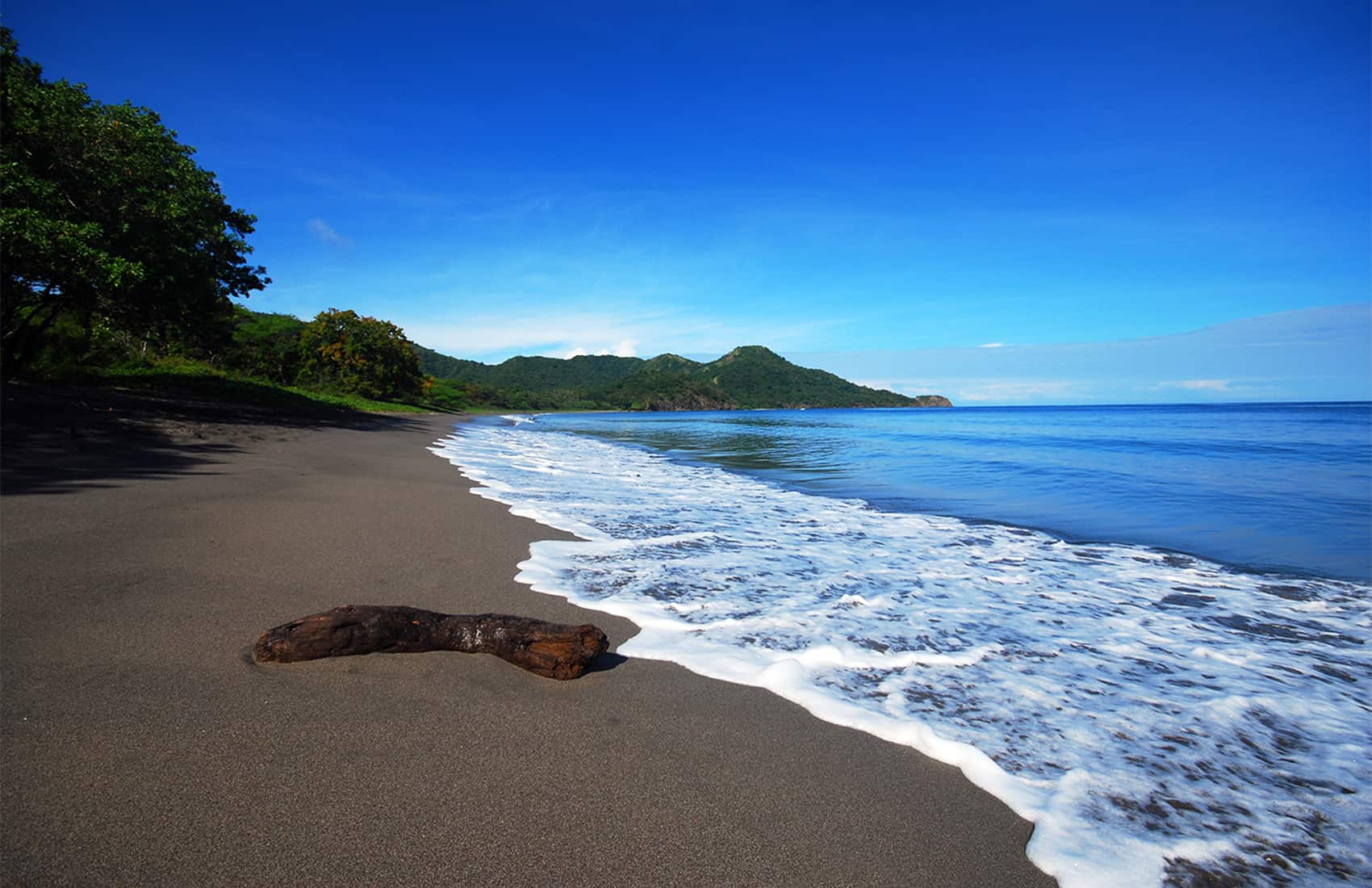
A young man died after going into the ocean to rescue his 10-year-old sister at Playa Linda in Quepos, Puntarenas, during a family visit to the beach over the weekend. The emergency was reported at 5:14 p.m. Saturday after the girl was seen having difficulty in the water and her brother went into the sea to help her.
The child was brought safely out of the water, but the young man was unable to return to shore on his own. Lifeguards eventually recovered him and found that he was in cardiac arrest. The Costa Rican Red Cross performed cardiopulmonary resuscitation at the scene, but they were unable to revive him. He was declared dead at the beach.
Two other people involved in the incident were examined outside the water but did not need to go to a hospital. Authorities did not immediately provide additional information about their involvement. Witnesses said the man entered the ocean after realizing that his sister was being pulled away from shore. He managed to help her reach safety before losing his own life.
Authorities were called to recover the body and investigate the circumstances surrounding the drowning. The victim’s identity was not initially released by authorities. Playa Linda goes along the southern Pacific coast near Quepos. Like many beaches on Costa Rica’s Pacific coast, conditions can change quickly depending on tides, waves and offshore currents.
The death happened during Costa Rica’s midyear school vacation, when families traditionally travel to coastal communities and beaches see heavier crowds. Emergency officials repeatedly warn swimmers not to underestimate ocean conditions, even when the surface appears calm. Beaches without permanent lifeguard stands can add additional risks because rescue help may not be immediately available.
Swimmers caught in a strong current should avoid fighting directly against it. Moving parallel to the shoreline may allow them to escape the current before attempting to return to land. Anyone who sees another swimmer in trouble should alert lifeguards or emergency services and use a flotation device when possible rather than entering the water without rescue training.





