

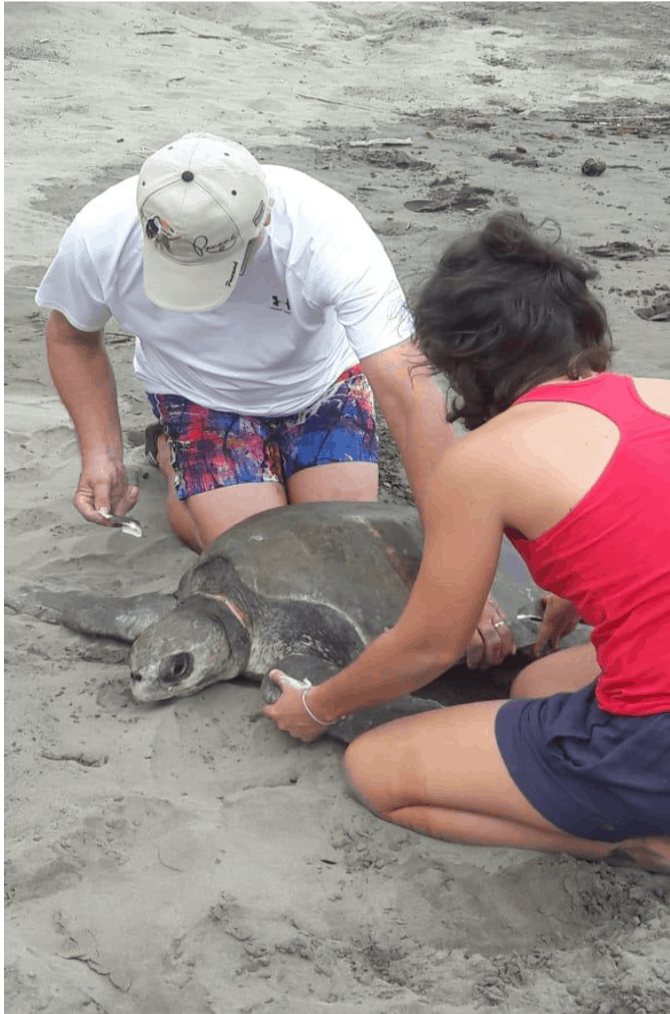
A long-running international volunteer travel company that sold conservation trips to Costa Rica has shut down and canceled all current and future programs, forcing participants already overseas to make departure plans from project bases and leaving future travelers trying to recover payments.
Global Vision International, widely known as GVI, announced it is closing after 28 years and entering a formal liquidation process. The company built its brand around ecological and community-based travel, marketing programs in Costa Rica, Fiji, Nepal, the Maldives and other destinations.
For Costa Rica, the closure lands in a niche but important part of the tourism industry: volunteer conservation travel. GVI promoted programs tied to sea turtle monitoring, rainforest biodiversity surveys, wildlife research, teaching and community development. Its Costa Rica work had been associated with places such as Jalova near Tortuguero National Park and the Kéköldi Indigenous Reserve on the Caribbean side.
All current and future GVI programs have been canceled. Participants already at GVI bases are being helped by staff as they make departure plans, while those with upcoming bookings are expected to receive formal instructions for filing claims through the liquidation process.
No public figure has been released for how many Costa Rica bookings were affected. There is also no confirmed count of participants currently in Costa Rica under GVI programs. That distinction matters: the global shutdown has been described as leaving travelers stranded, but the available public information does not identify Costa Rica-specific numbers.
Still, the real effect for travelers can be serious as many volunteer and eco-tourism programs are planned months in advance around university breaks, gap years, internships or career training. A canceled Costa Rica placement can mean lost program fees, unused flights, disrupted academic plans and short-notice changes to accommodation and transportation.
GVI’s Costa Rica products were not standard resort packages. They were sold as hands-on conservation experiences, with participants helping on fieldwork such as beach patrols, turtle nesting data, camera-trap checks, biodiversity surveys and local community projects. That model depends heavily on coordination among foreign organizers, local staff, host communities, transport providers and conservation partners.
For Costa Rican partners, the immediate risk is not a collapse of mainstream tourism. GVI operated in a specialized segment, not the mass vacation market. But its disappearance may still leave gaps for local workers, host sites, guides and projects that relied on a steady rotation of foreign volunteers and interns.
The case also raises questions for travelers booking conservation programs from abroad. Costa Rica’s eco-tourism reputation attracts visitors who want more than a conventional holiday, but the company handling payment is often outside Costa Rica. When that overseas operator fails, refund and consumer protection rules may depend on where the company is registered, how the trip was sold, what payment method was used and whether flights were included.
Travelers with canceled GVI Costa Rica bookings should keep copies of booking confirmations, invoices, receipts, emails, insurance documents and flight records. Those already in Costa Rica should confirm their accommodation, return travel and any local transfers directly rather than assuming they remain covered through GVI.
The company’s website lists contact information for the appointed liquidation process and says affected participants will receive formal correspondence on how to lodge claims. Travelers should be cautious about unofficial refund offers or recovery services that appear after a company failure, especially if they ask for advance fees.
The closure does not reflect a problem with Costa Rica as a destination. It reflects the vulnerability of a specific type of international travel business, particularly one built around volunteer programs, remote bases and long planning cycles. For Costa Rica, the bigger issue is reputational: when a company selling the country’s conservation promise fails, visitors often feel the disruption on the ground, even if the financial failure happened overseas.





