

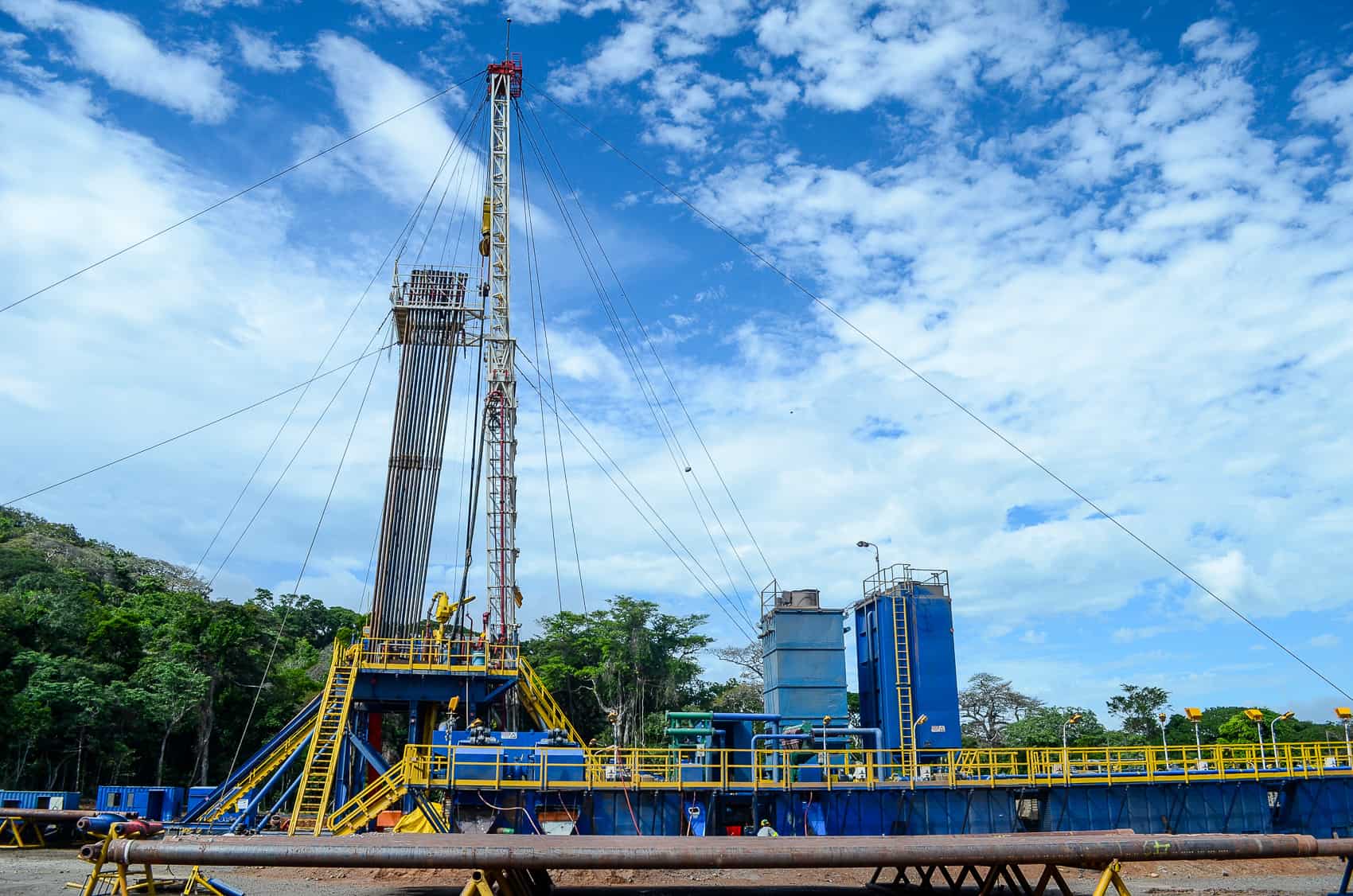
Geothermal energy supplies about 21 percent of El Salvador’s net electricity, placing the country among the world’s leaders in its use of this renewable source. The state-owned utility LaGeo now plans to add more capacity after the World Bank approved a $150 million loan in March 2025.
The six-year project will fund drilling and construction of a new geothermal power plant in the Chinameca field in San Miguel department, roughly 115 kilometers east of the capital. LaGeo, the implementing agency, aims to bring online an initial 25-megawatt plant and conduct further exploration that could support up to 40 megawatts of additional generation. Officials also intend to promote direct uses of geothermal heat for agribusiness and local industry.
The loan from the International Bank for Reconstruction and Development carries a 30-year maturity and a six-year grace period. It forms part of a broader effort to strengthen renewable baseload power in a country where hydro output fluctuates with rainfall patterns and thermal generation relies on imported fuels.
LaGeo currently operates plants at Ahuachapán and Berlín with a combined installed geothermal capacity of 204.4 megawatts. Those facilities deliver stable electricity year-round thanks to the high capacity factor typical of geothermal resources. Recent data from the utility show the sector’s net contribution reached 21.8 percent of national electricity production in recent reporting periods.
El Salvador sits on the Pacific Ring of Fire, giving it abundant volcanic heat. The country has developed geothermal resources since the 1970s and remains the largest producer in Central America. Its share of geothermal in the electricity mix exceeds that of most nations, second only to Iceland in percentage terms among countries with significant output.
The new Chinameca project builds on that foundation. LaGeo has already drilled several production and reinjection wells at the site. As of March 2026 the utility issued calls for market interest in additional drilling tenders. A small back-pressure unit is under installation to begin early testing. The full plant will connect to the national grid via a short transmission line.
Project documents outline three main components: resource exploration and well drilling, power plant construction, and social and environmental programs. The latter include community support, job training, and measures to protect local ecosystems around the Chinameca volcano. Officials expect the work to create direct employment during construction and operation while reducing the country’s exposure to volatile fossil-fuel prices.
Cel, the Comisión Ejecutiva Hidroeléctrica del Río Lempa, holds overall responsibility for the sovereign guarantee on the loan. LaGeo, a subsidiary focused exclusively on geothermal, handles day-to-day execution.
The expansion comes at a time when El Salvador seeks to raise the share of renewables in its energy matrix. Geothermal offers reliable, dispatchable power that complements growing solar and wind installations. It also supports energy security in a region prone to drought and import dependence.
LaGeo has set a longer-term goal of injecting up to 100 megawatts from new geothermal developments in the coming years. Besides Chinameca, studies continue at other promising fields such as Tepetitán in San Vicente department.
International observers note El Salvador’s track record. The country added an 8-megawatt binary unit at Berlín in 2025, boosting output without major new drilling. The World Bank project marks the largest single external financing commitment for geothermal here in recent years.
Construction timelines call for the initial Chinameca plant to enter service in the late 2020s, subject to drilling success and regulatory approvals. Early procurement plans released in 2026 show active bidding preparation for well services and plant equipment.
For a nation of 6.5 million people, the investment represents a strategic bet on domestic resources. Geothermal plants run continuously, helping stabilize electricity prices and supporting industrial growth. Direct-use applications could also benefit small farmers and food processors in eastern El Salvador by providing low-cost heat for drying crops or processing.
The project aligns with regional efforts to tap Central America’s geothermal corridor. Neighboring countries including Costa Rica and Nicaragua also produce geothermal power, but none match El Salvador’s current share of national supply.
Officials have not released a final cost estimate for the full 40-megawatt scenario, but the approved loan covers the core 25-megawatt phase plus exploration. Any additional capacity would draw on further financing or LaGeo’s own revenues.
As tenders move forward this year, the focus remains on delivering affordable, clean electricity while minimizing environmental impact. LaGeo reports strong community engagement in San Miguel, where residents have participated in consultations about jobs and local benefits.
The World Bank project shows El Salvador’s commitment to geothermal at a moment when many countries seek firm renewable sources to back up variable solar and wind. With the loan funds now available and drilling underway, the country is positioned to extend its leadership in this specialized field.





