

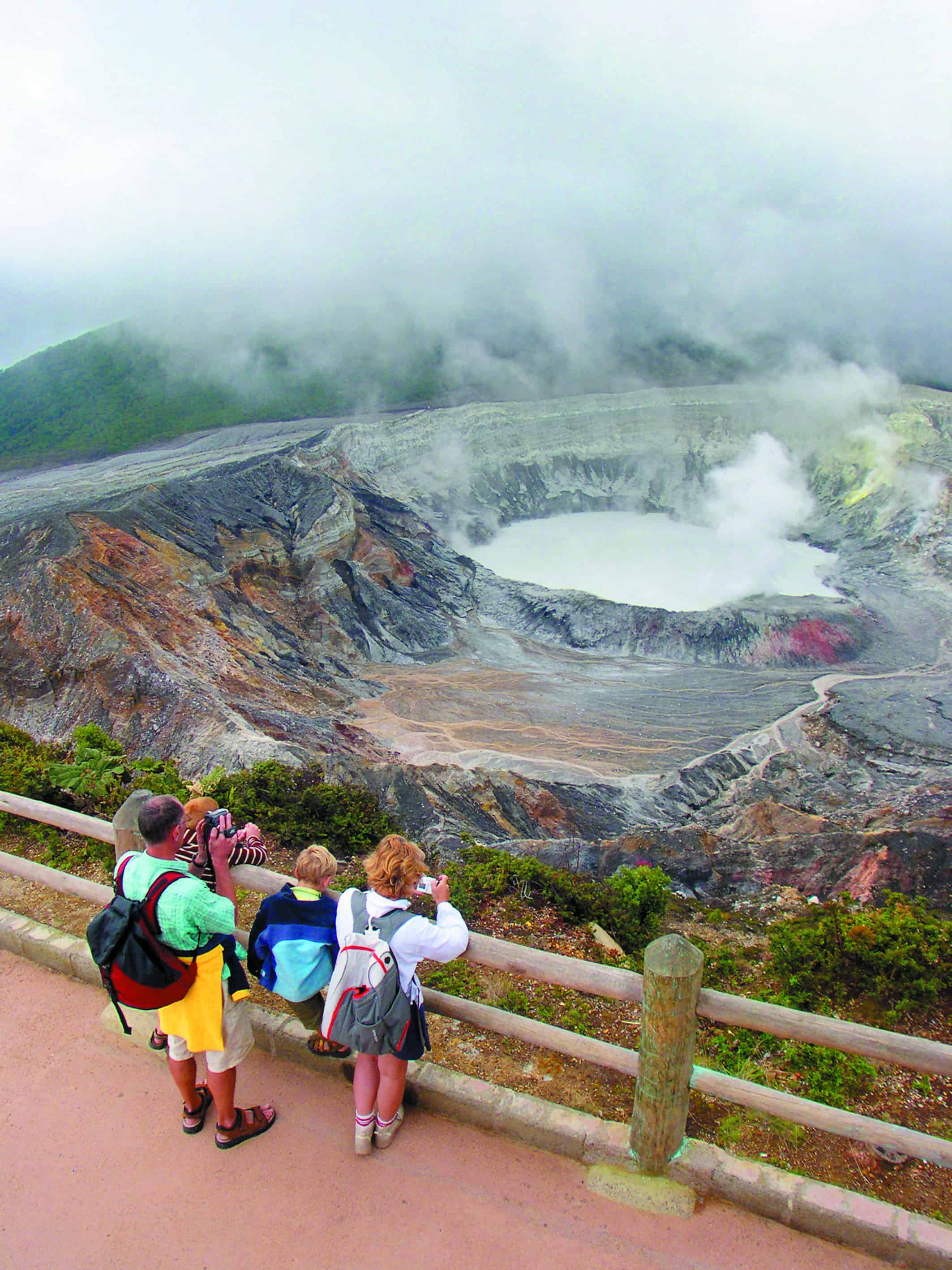
Officials from Costa Rica’s National System of Conservation Areas (SINAC) have raised alarms over a spike in unauthorized entries to national parks and other protected zones during the recent holiday period. Between late December 2025 and early January 2026, authorities identified 408 individuals entering these areas through unofficial routes, with volcanic sites bearing the brunt of the violations.
The operations, conducted over the end-of-year transition, revealed that places with volcanic features saw the highest number of illegal entries. These locations present added hazards because several volcanoes remain active, increasing the chances of accidents for those who ignore restrictions. SINAC reports that such actions not only break established rules but also expose people to serious threats, including unstable terrain and potential eruptions.
Among the hardest-hit sites, Parque Nacional Volcán Irazú recorded 200 unauthorized entries, accounting for nearly half of the total detections. Other areas like Isla San Lucas also reported significant incursions. Officials note that these figures likely underrepresent the full extent of the issue, as monitoring vast protected lands proves challenging.
SINAC emphasizes that illegal access harms ecosystems and strains resources meant for conservation. Many of these entries involve groups seeking alternative paths to avoid fees or closures, often promoted through informal channels. In response, the agency is pushing for stronger penalties to deter future violations, building on ongoing efforts to enforce boundaries.
This trend echoes broader concerns in Costa Rica’s conservation network, where volcanic parks like Poás, Turrialba, and Rincón de la Vieja have faced similar problems in recent years. For instance, Poás Volcano National Park has seen repeated closures due to seismic activity and gas emissions, yet some still attempt backdoor routes despite the dangers.
Authorities urge the public to use official entrances and respect park guidelines. They stress that proper visits support preservation while keeping everyone safe. As patrols continue, SINAC plans to collaborate with local forces to curb these risks.





