
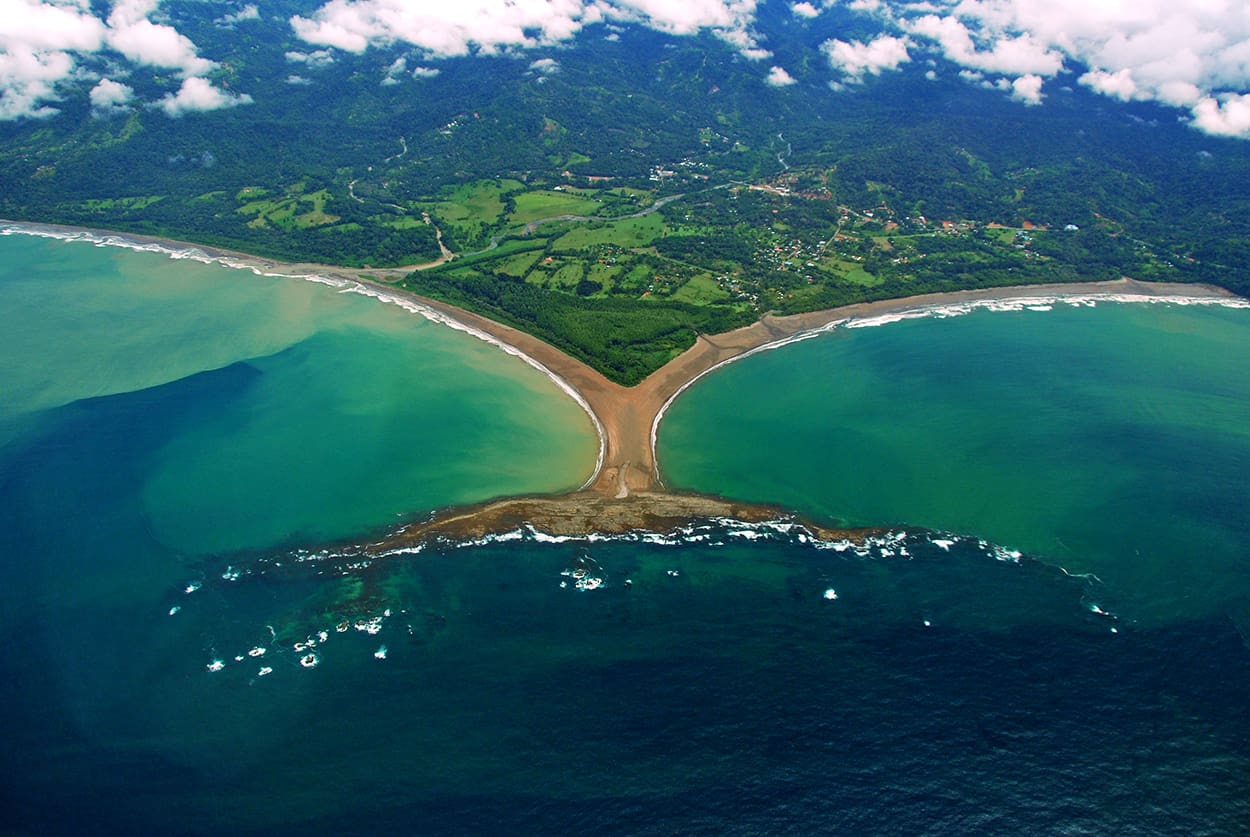
Did you know? Costa Rica has more than half a million acres of land designated as protected areas, including 30 national parks, 19 reserves, and 58 wildlife refuges. That’s more than 25% of the territory of Costa Rica, one of the highest ratios in the world!
Costa Rica is a pioneer of ecotourism, drawing tourists to its extensive series of national parks and other protected areas. These areas are focused on preserving rainforests, fragile ecosystems, endangered wildlife, freshwater sources, and much more. When you visit these places, you pay an entrance fee that directly funds these conservation efforts.
But are their conservation efforts enough? As visitors, we should play our role too. When visiting a protected area, we should be mindful of our actions and behavior, and should not do anything that may harm the natural environment and the wilderness. So, let’s take a look at some of the things that we should keep in mind while visiting a national park, a reserve, or a protected area.
10 Tips for Visiting Costa Rica’s National Parks & Reserves
1. Follow the rules diligently
Take time to read all the information and rules of the national park. Some parks like Manuel Antonio have rules to not feed animals, while some parks like Rio Celeste prohibit you from swimming in the water. There are restrictions at volcano national parks for going near the craters. These rules are put in place for your safety, and not adhering to them can lead to serious implications.
2. Keep to the marked trails
Most of the parks and reserves in Costa Rica have clearly defined trails for visitors. Do not wander off these trails. Doing so poses a threat to sensitive plant and animal species, and can disturb the fragile ecosystems surrounding the trails. Moreover, in case of an accident, a person is more likely to be found on marked trails than off the trails.
3. Respect the privacy of the wildlife
Observe the wildlife from a safe distance. Do not get close to the animals in order to take a closer look or click photographs and selfies. And, do not pet them. They might seem friendly to you but may hit or attack you in the blink of an eye.
Also, do not imitate the sounds of animals or play recordings on your phone to make the animal move. Please remember that you are not in a zoo, but in their natural environment where you should respect their privacy.
4. Do not feed the animals
Some national parks like Manuel Antonio have strict rules against feeding animals. This is because these animals are living in a natural environment and are used to hunting for their food. If visitors start feeding the animals, the dependency of animals on humans for food will increase, and this will pose a threat to the ecosystem.
Moreover, human food is not healthy for wild animals. Eating wrong or unhealthy food may even lead to their death. In some cases, feeding is known to have caused behavioral changes in animals.
5. Leave no trace
There is a beautiful saying “Leave nothing behind but footprints”. There are many ways in which visitors may leave behind traces such as carving their names on the rocks, plucking flowers, leaving behind trash, moving rocks to build cairns, climbing trees, throwing food scraps, and much more. This may disrupt the natural habitats of many animals, disturbs the ecosystem, and may even cause erosion.
The purpose behind leaving no trace is to minimize our impact on the environment and to preserve it for future generations. The idea is to keep the wilderness wild.
6. Do not bring anything with you back home
Similarly, do not pluck any flowers or plants, remove leaves or sticks, pick rocks, or collect shells from the beach to bring back home. While these actions may seem harmless to you, they have a snowball effect on the ecosystem.
“Take nothing but photographs”.
7. Do not smoke or consume alcohol inside the parks
Never smoke inside national parks. By smoking, not only do you leave behind cigarette butts, but also increase the chances of forest fires by unextinguished butts. Also, never enter a national park under the influence of alcohol or consume alcohol inside the park.
8. Bring binoculars or a good camera
If you are someone who really enjoys watching wildlife and wishes to spot them on your own, consider bringing a camera designed for nature photography. If you do not have one, you can also bring binoculars, which help you look at far away distances.
9. Consider hiring a guide
Now, if you are someone who wants to have better chances of spotting wildlife along with information about them, consider hiring a professional guide. These guides have the right knowledge and experience needed to spot animals in the wild and also have an amazing telescope for taking a closer look at them from a far distance.
10. Book ahead
If you are planning to visit a national park in Costa Rica, it’s better to book online through the website of SINAC. Some national parks like Manuel Antonio have a daily limit on the number of visitors. This is to put less pressure on the natural resources, flora, and fauna of the wilderness area.