

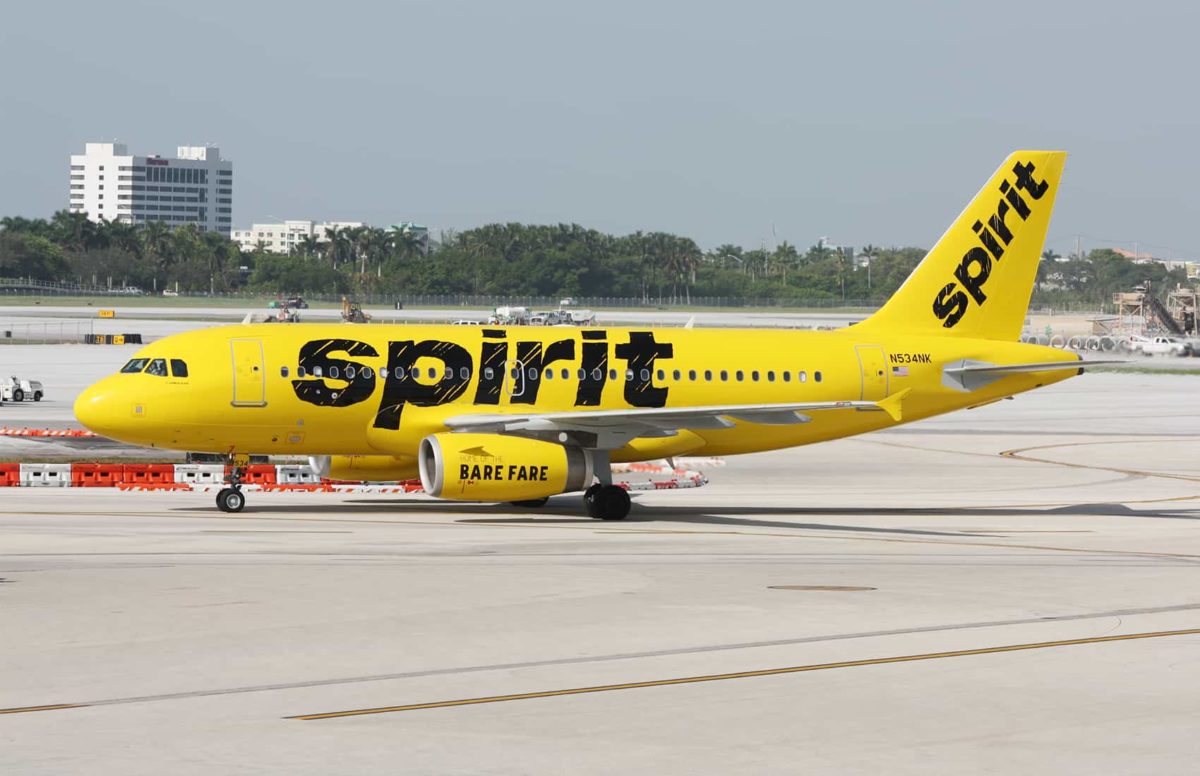
For all us fun that have flown Spirit to Costa Rica, it was announced that Spirit Airlines has agreed to sell a sprawling trove of internal company data to Google for $10 million, marking one of the more unusual chapters in the discount carrier’s bankruptcy liquidation. The budget airline ceased all flights in May 2026 and has spent the months since selling off aircraft, equipment and real estate through court proceedings. Now its digital records, accumulated over decades of operations, have become one of the sale’s most contested assets.
Google beat out competing bidder Mercor.io, an artificial intelligence data firm that offered $7.5 million, to win the auction in mid August. According to court filings, the winning package includes close to 100 million internal emails, roughly 500 million Microsoft Teams messages, and more than 175,000 employee records stretching back to 1986. It also contains 7.2 billion records tracking competitor flight activity and 7.5 billion passenger transaction records dating to 2008, along with material touching on revenue, aircraft operations, marketing campaigns, fraud investigations and pricing strategy.
Company officials have stressed that the deal excludes the airline’s core customer database. Court documents specify that about 97.5 million passenger profiles and 50.2 million records tied to the Free Spirit loyalty program are carved out of the sale entirely, along with credit card information. A court appointed third party is required to strip the remaining data of anything that could identify a specific individual before Google receives it, and the company says it will not attempt to reverse that process.
A Google spokesperson said the acquisition would help improve the company’s products and AI models and reiterated that no personal information would be received as part of the purchase. Spirit’s own statement echoed that position, saying the company takes data privacy seriously and is working with the appropriate parties to resolve any outstanding concerns.
Not everyone is convinced the safeguards go far enough. The Association of Flight Attendants CWA, which represents more than 5,500 of Spirit’s former cabin crew, filed a formal objection to the sale, arguing that scrubbing names and other obvious identifiers does not guarantee that individuals or small groups of employees cannot still be pieced back together from the underlying data. The union’s challenge was enough to delay the bankruptcy court hearing originally scheduled for August 19. It has since been pushed to September 9, when a judge is expected to weigh in on whether the transaction can proceed.
The sale is unusual by industry standards. Most airlines that collapse into bankruptcy are absorbed whole, data included, by a competitor. Spirit’s case instead treated its accumulated digital footprint as a standalone asset class, sold off separately from the physical business.
For all of us that ever booked a Spirit flight, worked for the airline or simply exchanged emails with someone who did, the episode is a reminder that corporate data can outlive the company that collected it, and that the line between anonymized information and identifiable information is not always as firm as buyers and sellers claim.





