

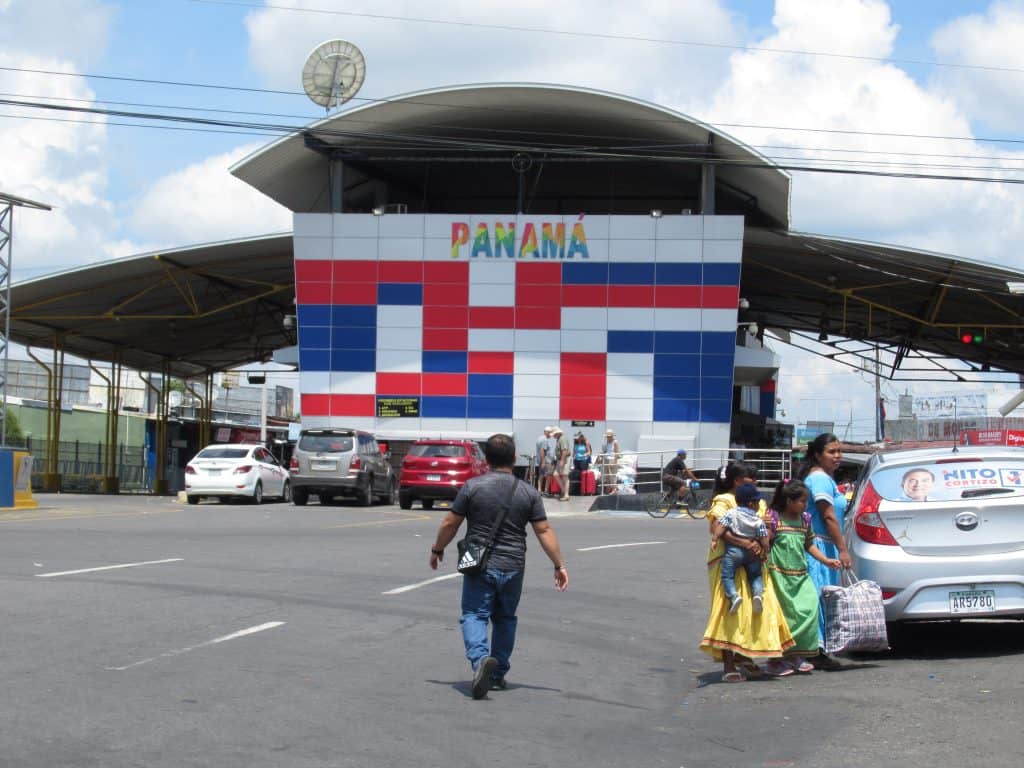
Costa Rica has presented Panama with a two-part proposal aimed at ending a seven-year agricultural trade dispute that has blocked meat, dairy products, fruit and other Costa Rican goods from entering the neighboring country. Foreign Trade Minister Indiana Trejos sent the proposal Wednesday to Panama’s minister of commerce and industries, Julio Moltó. The plan combines practical steps to address Panama’s export concerns with international arbitration to resolve the legal case stalled at the World Trade Organization.
The first part would establish a memorandum of understanding covering products Panama wants to export to Costa Rica. Under the proposed agreement, Costa Rica would process Panama’s export applications with the assistance of an international organization. The outside participation is intended to make the process more transparent and give Panama greater confidence that its requests will receive fair treatment.
The second part would send Panama’s appeal in the agricultural dispute to a special WTO arbitration process. Both countries would agree in advance to accept the arbitrators’ decision, providing a way around the prolonged shutdown of the WTO’s regular appeals system. The WTO Appellate Body has been unable to hear cases since December 2019 because it lacks enough appointed members. Panama appealed the ruling against its restrictions in February 2025, effectively leaving the case unresolved despite Costa Rica’s earlier victory.
The dispute began between January 2019 and June 2020, when Panama stopped allowing imports of several Costa Rican agricultural and food products. The restrictions have affected strawberries, fresh pineapples, bananas, plantains, dairy products and meat from Costa Rican cattle, pigs and poultry. Sixteen Costa Rican meat and dairy facilities lost access to the Panamanian market after their sanitary approvals were not renewed.
Panama defended the measures as necessary to protect public health, agriculture and local producers.Its concerns included pesticide residue detected in strawberry shipments, a pest associated with pineapples and the potential regional threat from a banana disease. Panama also required Costa Rican meat and dairy exporters to restart parts of the sanitary approval process.
Costa Rica argued that the restrictions were not supported by adequate scientific evidence and were more restrictive than necessary. After consultations failed, Costa Rica formally brought the case to the WTO in January 2021. A dispute panel was established later that year, although staffing shortages, the complexity of the case and translation requirements delayed the final decision.
The panel’s report was released in December 2024 and largely supported Costa Rica’s position. It found that several of Panama’s measures were not based on sufficient scientific evidence and that less restrictive alternatives were available. The panel also found that Panama had treated some Costa Rican products differently from comparable imports allowed from other countries.
The ruling recommended that Panama bring its restrictions into line with international trade rules. Panama appealed, but the inactive WTO appeals system prevented the ruling from becoming a final, enforceable resolution. The new arbitration proposal is designed to break that deadlock without requiring either government to abandon the formal trade process.
The conflict became more politically tense after President Laura Fernández took office in May. Fernández ordered Costa Rica’s foreign ministry to pursue international action over the restrictions, arguing that farmers and food producers had been harmed by years of blocked exports.
Panamanian President José Raúl Mulino responded by suspending planned electricity sales to Costa Rica and accusing the Costa Rican government of escalating the dispute publicly rather than resolving it through direct talks. The Costa Rican Electricity Institute said at the time that the country was not buying electricity from Panama and did not expect to do so during 2026.
The two governments later reopened diplomatic contact and discussed a broader agenda including trade, security, migration, customs and regional cooperation. Costa Rica’s latest proposal represents the clearest attempt so far to convert those discussions into a formal settlement.
The plan offers Panama a supervised process for its own export requests while giving Costa Rica a path toward a binding decision on the restrictions affecting its agricultural products. A settlement would reopen a nearby market for Costa Rican farmers and food companies while giving Panamanian exporters a clearer route into Costa Rica.
The proposal now depends on whether Panama accepts the two agreements or requests changes before moving forward.





