

Costa Rica approved higher bus and taxi fares this week after a rise in international fuel prices pushed up operating costs for public transport operators.
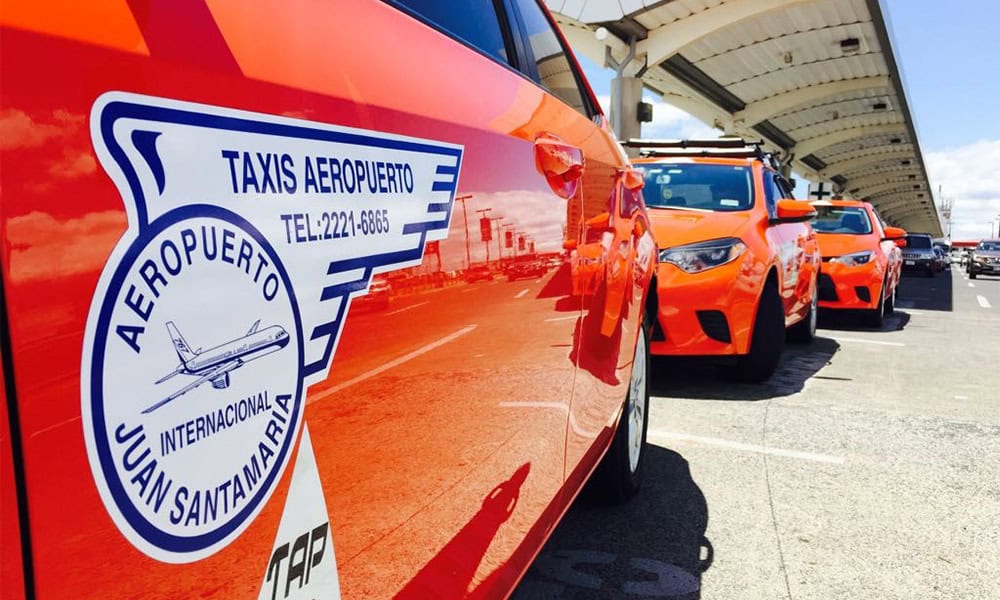
The Public Services Regulatory Authority, known here as Aresep, approved a 5.43% increase for bus fares nationwide and increases ranging from 1.39% to 2.82% for taxi service. The adjustment covers regular red taxis and authorized taxis operating at Juan Santamaría International Airport.
The regulator linked the fare hike to fuel price increases tied to the conflict in the Middle East, which it treated as an external event outside Costa Rica’s control. Aresep said fuel makes up about 28% of bus operating costs and about 12% of taxi operating costs, meaning sharp changes in fuel prices can quickly affect transport operators.
For bus passengers, the increase will vary by route. Many fares will rise by small amounts, but longer or higher-priced routes will see larger increases. Aresep’s breakdown shows 211 fares rising by ₡5 to ₡10, 1,130 fares rising by ₡15 to ₡20, and 1,119 fares rising by ₡25 to ₡40. Another 995 fares will increase by ₡45 to ₡100, while 399 fares will rise by ₡105 to ₡300. A smaller group, 140 fares, will increase by more than ₡300.
Examples published with the adjustment show the San José–Cementerio–Sabana route rising from ₡295 to ₡310, Heredia–San Antonio de Belén from ₡335 to ₡355, Alajuela–San Pedro de Poás from ₡675 to ₡710, Ciudad Quesada–La Fortuna from ₡1,615 to ₡1,705, and Liberia–Nicoya from ₡1,845 to ₡1,945.
Taxi users will see smaller increases, but the change will still affect both the starting fare and distance-based charges. For regular red sedans, the flag-drop and per-kilometer fare will rise from ₡825 to ₡840. Rural taxi fares will rise from ₡915 to ₡930 for the same charges. Adapted taxis for people with disabilities will go from ₡740 to ₡755.
At Juan Santamaría International Airport here in San Jose, authorized airport taxi sedans will rise from ₡720 to ₡730 for the flag-drop and per-kilometer fare. Airport microbuses will rise from ₡710 to ₡730. Waiting or idle-time fees will also increase, with adjustments ranging from ₡55 to ₡95 per hour depending on the taxi category.
The change matters for travelers arriving at SJO, especially those heading into San José, Alajuela, Heredia, or popular destinations where taxi meters can run up quickly. The increase is modest on short trips, but longer airport rides and rides during traffic delays will cost more once the new fares take effect.
Bus fares will take effect two business days after publication in the official La Gaceta newspaper. Aresep said that delay is needed to update the national electronic payment system for public transport. Taxi fares will take effect the calendar day after publication.
Passengers can check current bus fares through Aresep’s bus fare portal or the free Aresep mobile application before traveling. The agency said the extraordinary adjustment is meant to protect the continuity of public transportation service as operators face higher fuel costs.





