

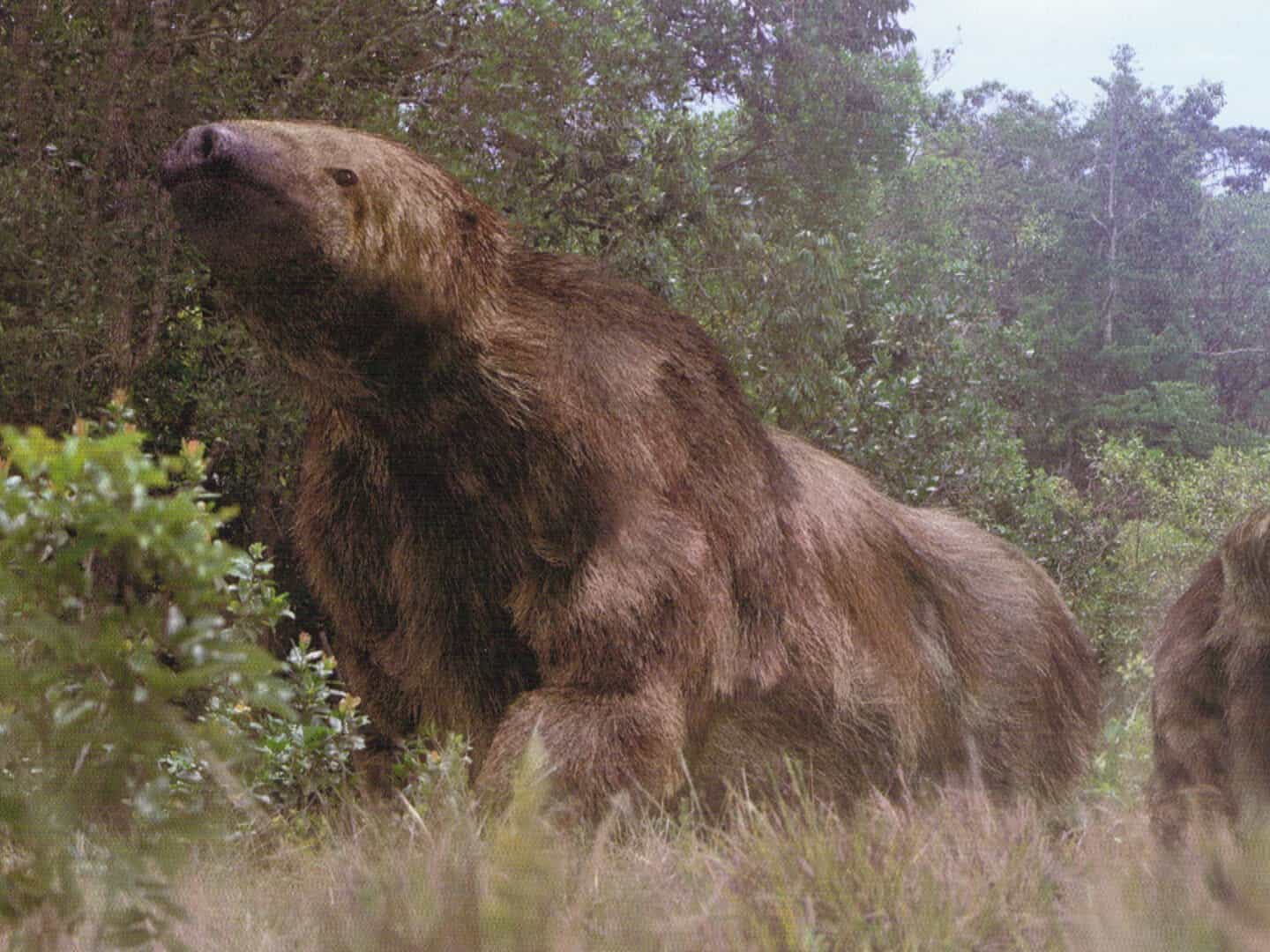
A recent feature by Maria Faith Saligumba for Discover Wildlife Science has renewed attention on a part of Costa Rica’s history that many people rarely think about: the giant animals that once lived here long before modern forests, highways and national parks. Discover Wildlife Science published Saligumba’s article, The Mysterious Megafauna of Costa Rica’s Prehistoric Past.
The timing could not have come at a better time as in February, Costa Rica’s Ministry of Culture and Youth announced that researchers had confirmed fossil remains in Cartago from two Pleistocene megafauna species: a Cuvieronius, a giant mastodon relative, and an Eremotherium, a giant ground sloth. Authorities described the find as an important contribution to our country’s scientific record and said it strengthens Costa Rica’s place in regional megafauna research.
That gives Costa Rica a new angle on a subject that is easy to dismiss as distant or abstract. Megafauna once moved through territory that is now known more for rainforests, volcanoes and beach towns. The recent Cartago discovery suggests that prehistoric Costa Rica was also home to massive land animals that disappeared thousands of years ago.
Saligumba’s article helps bring that forgotten chapter back into view for a wider audience. But the stronger news peg for Costa Rica readers is that our country is not simply the setting for an interesting prehistoric story. It is still producing fossil evidence that adds to what scientists know about the animals that once lived here.
According to coverage following the museum announcement, the Cartago discovery included dozens of fossil pieces and pointed to animals that lived in Costa Rica between roughly 10,000 and 40,000 years ago. That places them in the late Pleistocene, when giant mammals still moved across parts of the Americas before disappearing.
For us here in Costa Rica, the story is more than a curiosity. It adds depth to our country’s natural history at a time when biodiversity, conservation and science tourism already play a large role in how the country presents itself to the world. Costa Rica has always been known today for scarlet macaws, tapirs and sea turtles but we now also know that it holds evidence of an older, far larger cast of animals that once roamed its valleys and plains. That contrast is part of what makes the subject so compelling now.





