

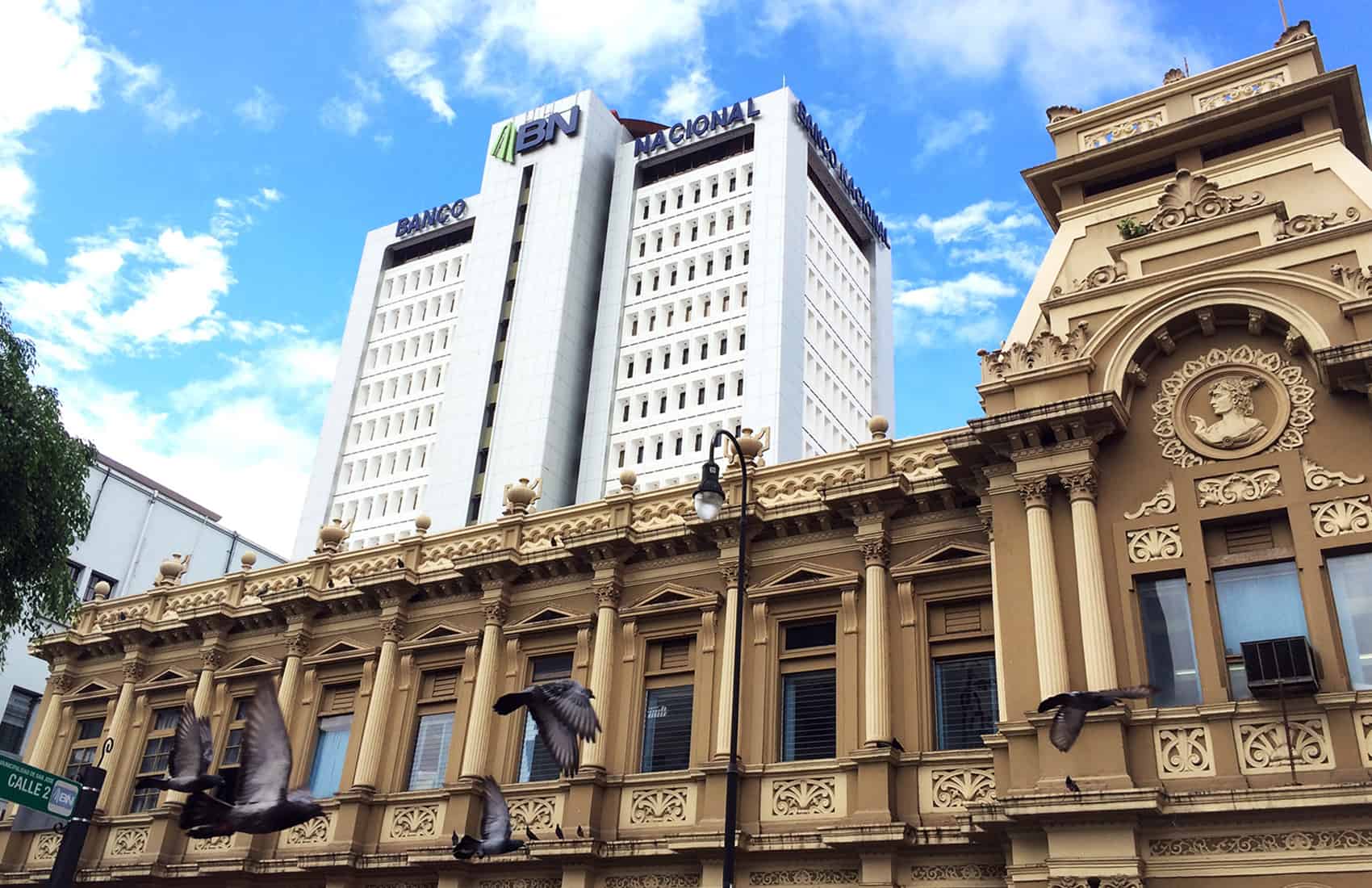
The Banco Central de Costa Rica (BCCR) has ramped up its foreign exchange purchases this year to counter the colón’s ongoing appreciation against the U.S. dollar. With the exchange rate dipping to historic lows, the central bank’s actions aim to curb excessive strengthening of the local currency, which has sparked concerns among exporters and tourism operators.
Data from the BCCR shows net purchases of $277.32 million in the first weeks of 2026, including $216.15 million to cover needs of the non-banking public sector and $61.17 million to bolster reserves. This follows a pattern from 2025, when the bank acquired $5.64 billion net, representing over 60% of transactions in the Monex market. A notable intervention occurred recently, with the BCCR buying $39.69 million in a single day to stabilize the rate and prevent sharp drops.
The colón has gained ground steadily, with the weighted average Monex rate falling 2.2% in the last quarter of 2025 and continuing downward. By late January 2026, the rate stood at ₡499.39, marking a 1.35% year-over-year decline. On February 21, the reference buy rate hit ₡471.99 and sell at ₡476.41, levels not seen in years. This appreciation stems from a surplus of dollars in the private market, fueled by robust exports in services and manufacturing, plus inflows from tourism and foreign investment.
Analysts point to external factors as well, including lower global oil prices, U.S. interest rate cuts, and post-election stability after President Laura Fernández Delgado’s win. These elements have flooded the market with foreign currency, pushing the colón higher.
While the strong colón brings benefits, it also creates challenges. Importers see reduced costs for goods like electronics and fuel, which can ease pressure on consumer prices. Businesses handling imports report better margins, allowing them to hold or lower retail prices. For households, this means greater purchasing power for everyday items, potentially supporting spending in a recovering economy.
On the flip side, exporters face squeezed profits. Companies in agriculture, manufacturing, and tourism convert dollar earnings into fewer colones, raising operational costs and reducing competitiveness abroad. Tourism, here in Costa Rica, feels the pinch as our country becomes pricier for international visitors. Operators note that budget travelers may opt for cheaper destinations, testing Costa Rica’s edge in eco-tourism.
“The appreciation helps control inflation but hurts sectors reliant on exports,” said economist Daniel Suchar in recent commentary. Projections suggest the rate will hover near ₡500 through 2026, with a modest 1% depreciation possible if global conditions shift.
The BCCR operates under a managed float regime, intervening only to smooth volatility. Officials stress that purchases align with market surpluses, avoiding artificial props for the rate. Reserves now stand at $17.08 billion, or 16.6% of GDP, providing a buffer against shocks.
This dynamic reflects regional trends, where Latin American currencies have shown similar movements. In Costa Rica, the focus remains on balancing growth, with GDP expected at 3.8% this year. As the bank continues monitoring, stakeholders watch for any signs of reversal that could ease exporter strains.





