

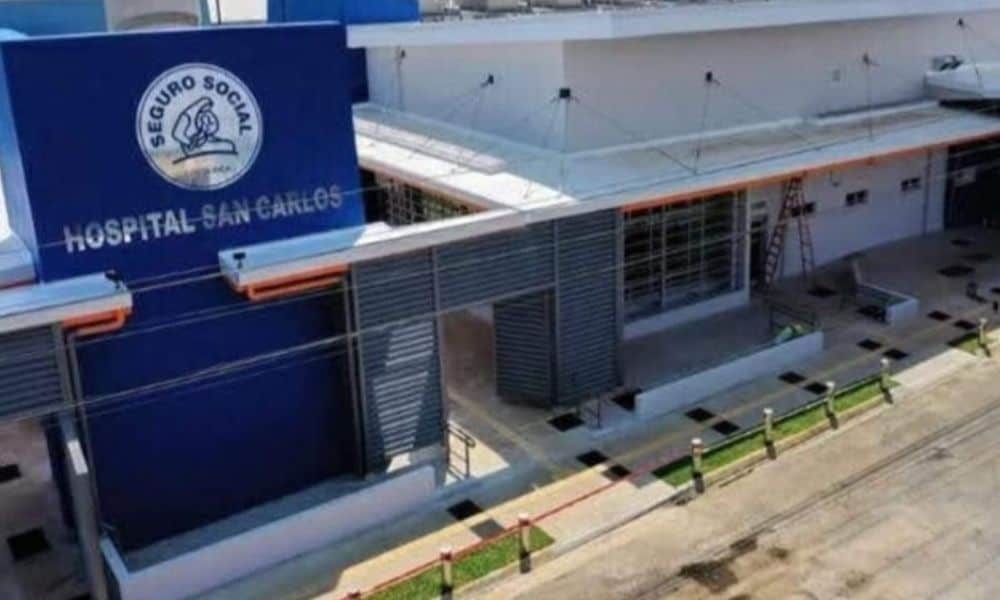
Patients at San Carlos Hospital in northern Costa Rica are facing staggering delays for medical appointments, with some waits stretching as far as 26 years into the future. The situation has prompted swift action from the Defensoría de los Habitantes, our country’s ombudsman’s office, which is demanding answers from hospital officials and pushing for systemic changes to address what it describes as a severe breach of the right to timely healthcare.
The issue came to light through at least 10 documented complaints received by the Defensoría, highlighting “disproportionate and unreasonable” waiting times for orthopedic services. Patients needing corrective procedures, such as joint surgeries or treatments for musculoskeletal issues, have been assigned dates ranging from 2030 to 2052. Specific examples include appointments set for 2033, 2044, 2045, 2047, and 2050, according to official data shared with the ombudsman’s office.
Angie Cruickshank, the Ombudswoman, didn’t mince words in her assessment. She labeled these extended waiting lists as a form of “clinical neglect,” arguing that they fail to uphold basic standards of timeliness, accessibility, and quality in healthcare. “This isn’t just an administrative glitch—it’s a violation of people’s fundamental right to health,” Cruickshank said in a statement. “These delays are eroding patients’ quality of life, leading to worsened conditions, chronic pain, and even permanent disabilities.”
One particularly alarming case involves a teenager at risk of needing a wheelchair due to untreated orthopedic issues, with an appointment scheduled for 2050. Another complaint detailed an elderly woman given a slot in 2048, more than two decades away. All reported instances stem from the hospital’s orthopedics department, where demand for specialized care has overwhelmed available resources. Medical professionals have warned that postponing these interventions can result in irreversible physical deterioration, alongside psychological and social fallout for patients and their families.
The Defensoría’s intervention was immediate. Upon receiving the complaints, the office’s regional branch in the Huetar Norte region conducted an on-site visit to the hospital. They requested a full breakdown of all patients awaiting initial evaluations or surgeries, particularly those without assigned dates or stuck in limbo on indefinite lists. Hospital authorities have been given a short deadline to provide explanations and outline steps to resolve the backlog.
San Carlos Hospital, part of our public healthcare system managed by the Caja Costarricense de Seguro Social (CCSS), serves a large rural population in the Alajuela province. While the facility is known for handling a high volume of cases, these extreme delays underscore deeper problems plaguing the nation’s health services.
Several factors contribute to the prolonged wait times. A chronic shortage of orthopedic surgeons and specialized staff is a primary culprit, especially in regional hospitals like San Carlos where recruitment and retention are challenging. Even when doctors are available, limitations in operating rooms, surgical equipment, and recovery beds hinder the ability to process cases efficiently.
Demand for orthopedic care has surged in recent years. An aging population, rising rates of chronic conditions like arthritis, and increases in workplace injuries and traffic accidents have flooded the system with new patients. Administrative hurdles exacerbate the issue: outdated scheduling software, poor inter-departmental coordination, and sluggish referral processes turn what should be routine appointments into years-long ordeals.
Budget constraints further compound the problem. Public hospitals operate on fixed allocations from the CCSS, restricting their capacity to hire additional personnel, upgrade facilities, or contract private providers for overflow cases. The lingering effects of the COVID-19 pandemic have also played a role, as non-emergency surgeries were halted for months, creating a backlog that regional centers like San Carlos are still struggling to clear.
Health policy analysts view these multi-decade waiting lists as more than isolated failures—they signal a potential collapse in specialist services within the CCSS framework. “When a hospital schedules an appointment for 2052, it’s essentially admitting defeat,” said one expert familiar with the system, who spoke on condition of anonymity. “This isn’t sustainable. It erodes public trust in the healthcare system and forces patients to seek expensive private options or suffer in silence.”
For those affected, the human cost is immediate and profound. Take the case of a middle-aged farmer from the San Carlos area, who injured his knee in a work accident two years ago. His appointment for a corrective surgery evaluation is set for 2047—by then, he’ll be in his 70s, and the damage may be irreversible. “I can’t work like I used to,” he told local reporters. “The pain is constant, and knowing I have to wait that long feels like a sentence.”
Similar stories echo across the region. Families report watching loved ones deteriorate while awaiting care, with some turning to over-the-counter painkillers or traditional remedies as stopgaps. The psychological toll is equally heavy: anxiety, depression, and a sense of abandonment by the system that is meant to protect them.
The CCSS has acknowledged the problem in broad terms, pointing to nationwide efforts to reduce waiting lists through increased funding and staff reallocations. In 2025, the institution announced plans to digitize scheduling systems and prioritize high-need cases, but implementation has been uneven, particularly in outlying areas like San Carlos. Hospital officials declined to comment specifically on the Defensoría’s demands but stated they are cooperating fully with the investigation.
Cruickshank’s office has made it clear that this isn’t just about San Carlos—it’s a wake-up call for the entire public health network. “We need the CCSS to rethink how it manages specialist care, from resource allocation to urgency prioritization,” she said. The Defensoría has called for urgent reforms, including hiring incentives for rural specialists, infrastructure investments, and better integration of private sector support to alleviate pressure on public facilities.
As the investigation unfolds, patients and advocates hope it will lead to tangible improvements. In a country renowned for its universal healthcare model, these delays challenge the very principles that underpin it. For now, those on the waiting lists can only hope that intervention comes before their conditions worsen beyond repair. The Defensoría plans to release a full report in the coming weeks, which could pressure lawmakers to act on longstanding funding shortfalls.
In the meantime, the hospital continues to operate under strain, serving as a stark reminder of the gaps in Costa Rica’s otherwise admired health system. With the population aging and demands growing, addressing these issues will require coordinated action from government, healthcare providers, and the community. Until then, stories like these from San Carlos show the urgent need for change to ensure that no one waits decades for the care they deserve.





