

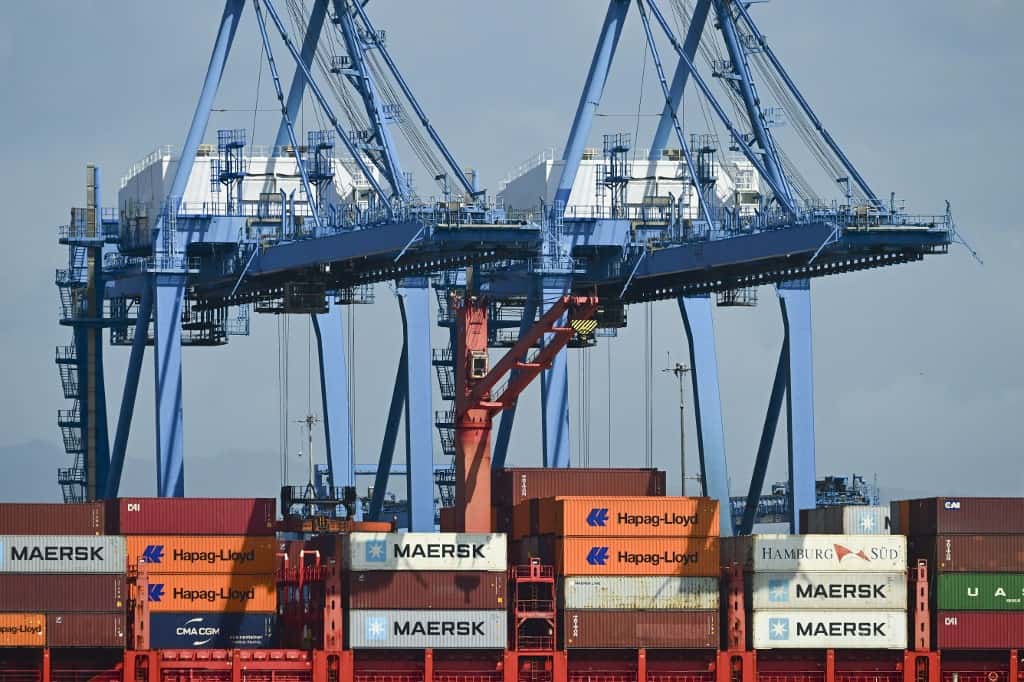
Panamanian authorities raided offices of Panama Ports Company, the former operator of two key canal terminals, as part of an anti-corruption investigation into alleged withholding of operational documents. Public Ministry prosecutors executed the searches yesterday, removing over 100 boxes of records from three locations in Panama City’s Albrook district.
The operation, led by anti-corruption prosecutor Azael Samaniego, involved the Panama Maritime Authority and the National Directorate of Judicial Investigation. Samaniego stated the probe began independently to examine potential crimes linked to incomplete document submissions required by regulators.
The raids targeted suspicions that Panama Ports Company concealed information about its management of the Balboa and Cristóbal terminals, critical gateways for global shipping through the Panama Canal. Officials acted on reports of withheld data during the company’s nearly three-decade tenure.
This development follows the Panama Maritime Authority’s assumption of control over the Balboa and Cristóbal ports on February 23, 2026, after the Supreme Court declared the company’s concession unconstitutional. The ruling, issued in January found Law 5 of 1997 and its 2021 extension violated constitutional rules on public contracts and national assets.
The decision, published in the Official Gazette on the 23rd, stripped the legal basis for Panama Ports Company’s operations. The court determined the original contract and addendums harmed public interests by granting excessive privileges without adequate oversight.
President José Raúl Mulino’s administration responded with Executive Decree No. 23, authorizing the Panama Maritime Authority to occupy the terminals and essential assets, including cranes, vehicles, and software, for urgent social and economic reasons. The decree ensures operational continuity without permanent property loss.
To maintain services, the government awarded temporary 18-month concessions: APM Terminals, a Maersk subsidiary, handles Balboa on the Pacific side, while Terminal Investment Limited, tied to Mediterranean Shipping Company, manages Cristóbal on the Atlantic. Alberto Alemán Zubieta, presidential advisor, oversees the transition alongside Labor Minister Jackeline Muñoz and Ports Director Max Flores. Muñoz affirmed no jobs would be lost, guaranteeing stability for workers.
Panama Ports Company, a subsidiary of Hong Kong-based CK Hutchison Holdings, held the concession since 1997. The ports process millions of containers annually, supporting 5% of world maritime trade.
The shift highlights tensions over foreign control of strategic infrastructure. CK Hutchison condemned the takeover as unlawful, inconsistent with legal frameworks, and the result of a state campaign against its subsidiary. The company initiated international arbitration under bilateral investment treaties and reserved rights for further legal steps.
China’s Hong Kong and Macao Affairs Office labeled the Supreme Court ruling absurd and shameful, accusing Panama of yielding to external pressures. Beijing’s Foreign Ministry vowed to protect its enterprises’ rights and warned of heavy political and economic costs.
U.S. officials viewed the outcome positively, aligning with efforts to limit foreign sway in regional assets. Secretary of State Marco Rubio, during a January 2026 visit to Panama, urged reductions in such influences, citing risks to canal traffic. Panama officials rejected claims of expropriation, stressing the action upholds sovereignty and ensures uninterrupted employment and trade. Mulino dismissed Chinese warnings, noting Panama’s leverage as a vital route for global commerce, including Chinese exports and energy imports.
The investigation and transition could influence Panama’s foreign investment climate. The government plans a competitive bidding process for a permanent concession after the interim period. As prosecutors review seized documents, the Public Ministry will determine if charges apply. The Supreme Court’s full effects may unfold over months, potentially reshaping partnerships in one of the world’s busiest trade corridors.





