

Guatemala City – Authorities in Guatemala confirmed on Sunday that 20 high-ranking members of the Barrio 18 gang broke out of the Fraijanes II maximum-security prison, located just outside the capital. The escape, which took place on October 11, has sparked a nationwide manhunt and raised alarms across Central America about potential spillover effects from gang violence.
The breakout came to light after an intelligence tip on Friday warned of a possible evasion by Barrio 18 inmates. Prison director Ludin Godínez announced the findings during a press conference, stating that the prisoners slipped past security measures gradually, either one or two at a time, likely during routine searches or visiting periods. Officials are now probing internal corruption, as the fugitives managed to exit undetected for days.
Among the escapees are key figures like Aldo Ochoa Mejía, known as “El Smoking,” a prominent leader accused of multiple murders and extortion rackets. Others include cabecillas, or cell leaders, such as Edwin Orlando Álvarez Álvarez and José Daniel Franco Ruíz, both facing long sentences for violent crimes. The group had been transferred to Fraijanes II following a deadly massacre at a funeral home where mourners were targeted in a gang-related attack.
Barrio 18, along with its rival Mara Salvatrucha, drives much of Guatemala’s extortion and homicide problems, targeting shop owners and public transport workers. The United States labeled Barrio 18 a foreign terrorist organization on September 23, heightening the stakes.
In response to the escape, the U.S. Embassy in Guatemala issued a strong statement, calling the incident unacceptable and demanding swift action to recapture the men. They emphasized that the fugitives threaten not only Guatemala but also U.S. security, and vowed to hold accountable anyone aiding them.
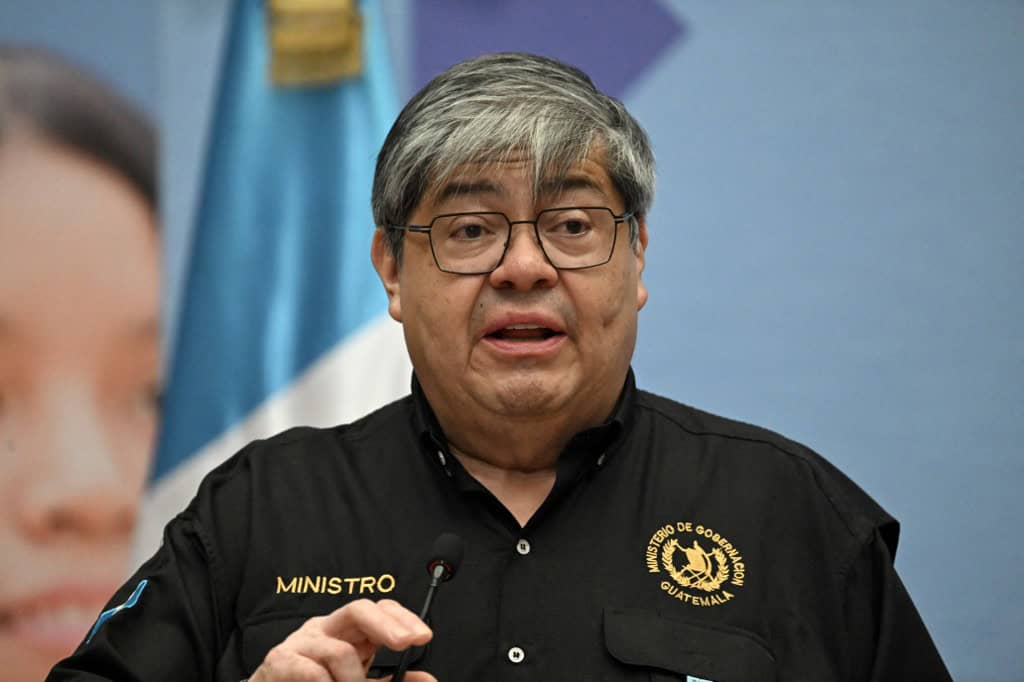
Guatemalan Interior Minister Francisco Jiménez reported that around 12,000 gang members and associates operate in the country, with another 3,000 behind bars. He mobilized 45,000 police officers for the search, promising the escapees would become the first occupants of a planned new maximum-security facility. One fugitive has already been apprehended, but the rest remain at large.
The timing adds pressure on President Bernardo Arévalo’s administration, which unveiled an anti-gang law just three days before the escape. The bill proposes harsher penalties and the construction of a dedicated high-security prison to combat rising crime. Homicides have climbed from 16.1 per 100,000 people in 2024 to 17.65 this year, far exceeding the global average.
Arévalo has distanced his approach from that of El Salvador’s President Nayib Bukele, whose mass incarcerations have drawn criticism from human rights groups for allegedly detaining innocents. Still, the escape underscores the challenges of containing organized crime in the region.
Neighboring countries are on high alert. In Belize, authorities warned that the fugitives might cross borders, prompting increased patrols. Here in Costa Rica, the incident hits close to home as gangs like Barrio 18 have ties to local criminal networks involved in drug trafficking and extortion.
Costa Rican President Rodrigo Chaves responded to similar threats in August by launching a bid to build a high-security prison modeled after Bukele’s mega-facility in El Salvador. The project aims to house dangerous inmates and curb the influence of transnational gangs. Ecuador, too, is constructing a maximum-security site under President Daniel Noboa’s crime-fighting strategy.
This escape highlights the shared vulnerabilities in Central America, where porous borders and under-resourced prisons allow gangs to thrive. As Guatemala ramps up its efforts, the region watches closely, aware that one country’s security lapse can ripple outward.





