With Costa Rica’s new president on board with marijuana legalization, my thoughts went back to late 1990. It was my first month in Costa Rica. I was living in Dulce Nombre de Coronado, a suburb in the hills northeast of San Jose.
It was October, the rain fell daily, and the temperature early in the morning hovered around 50 degrees when the sun was obscured by clouds. The neighborhood was Tico working class. I was living in a standard Costa Rican cold water cement block bunker.
The rent was 11 thousand colons a month, which at that time was around 110 dollars.. From my front door I had a view of the narrow street running in front of the house and a sudden drop beyond that widened into a 100-foot deep chasm. The locals used this depression as an impromptu landfill.
I went to San Jose Monday through Thursday to teach English. I paid 18 colons to ride a bus the ten kilometers downhill into the capital. The final destination point for the Dulce Nombre bus was Calle 5, a narrow city street that seemed to serve as the terminus for half the buses in the metropolitan area. All down the street were lines of people inhaling the monoxide choked air, patiently awaiting their rides.
This wasn’t the tropical Costa Rica I had expected, but circumstances had sent me to live and work in the congested Valle Central for my first six months. San Jose was still a new and exciting city to me then, a place where I went because I wanted to, unlike what it has become to me now, a place I go only when necessary.
On weekends I spent time in the two local cantinas, drinking beers and practicing my Spanish with Tica barmaids and Tico customers. I was still in the early stages of picking up the language; every statement and response was first filtered through English in my head. I was usually good for about an hour of attempted conversation before experiencing cognitive exhaustion.
In time, I made friends with a neighbor named Luis. He was in his early thirties, had four children, no steady job and lived with his mother and various younger siblings in a small concrete block house.
Luis was a hard drinking, chain-smoking barfly who listened intently to my attempts to converse in Spanish and answered me in rapid-fire bursts that I barely understood. Body language, hand gestures, and a lot of verbal repetition marked our daily get togethers.
I had been told that marijuana use was still largely frowned upon by the locals, but Luis was the most simpatico person I had met, and seemed cool enough to me. One evening I asked Luis:
“Sabe donde…?” and then I put my index finger and thumb together, held them to my lips, and made a loud inhaling noise, which to me, at least, was a universal pantomime for someone looking to score something more to smoke than the single cigarettes for sale by the bar.
Luis smiled, nodded, said “Ya!” as in right now, and a few minutes later I was being led through a dairy farm, down a remote hillside and across a shallow river, which Luis passed in seconds, bouncing from small rock to small rock.
My attempt to emulate Luis was brief; I waded through the shin deep water to get to the other side. We continued walking until we reached a settlement of a few houses perched along a hillside near the same river we had just crossed.
Although we were only a few miles from downtown San Jose, this hidden area was without electricity. It was late afternoon and from inside each house candles and lanterns burned and the rich smell of wood smoke was inviting.
Luis went to a house, knocked, and within a couple minutes a shirtless and barefoot young man emerged, carrying a loosely rolled newspaper. He smiled, laid it at my feet and unrolled it.
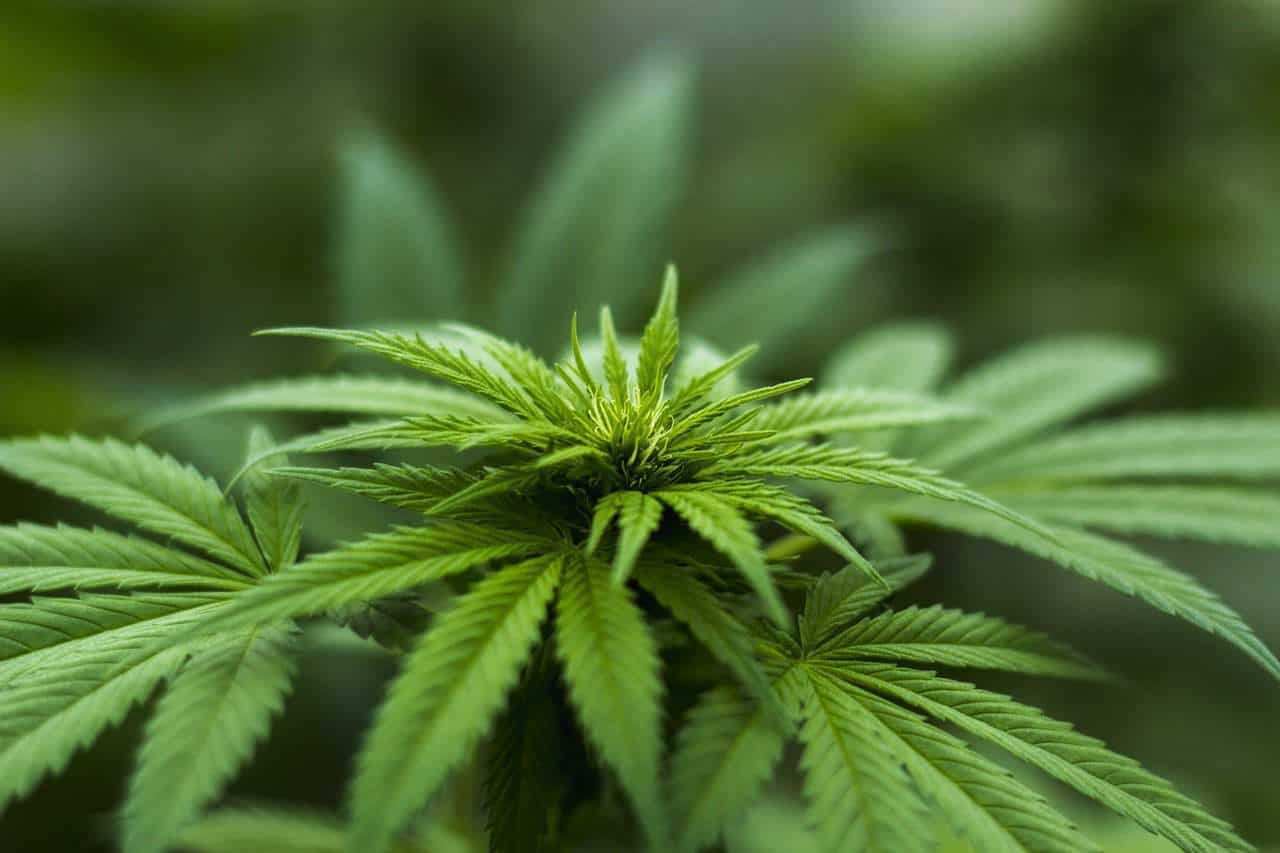
A connoisseur of finer smoke might well have laughed and gone on his way—this stuff was the ganja equivalent of Boone´s Farm—but I was appreciative of the effort of my friend Luis as well as the calm demeanor of this dealer.
He tore off a piece of the newspaper and measured out and packaged two handfuls. I paid him with one of the now non-existent purple 500 colon notes, which was about 5 US dollars at the time.
I thanked him and made my way back to the barrio with Luis. I got back to my house at nightfall and rolled and smoked an industrial-sized spliff and imagined I was a bit high as I tramped through the house in my soggy sneakers and listened to the BBC news on the shortwave radio.