

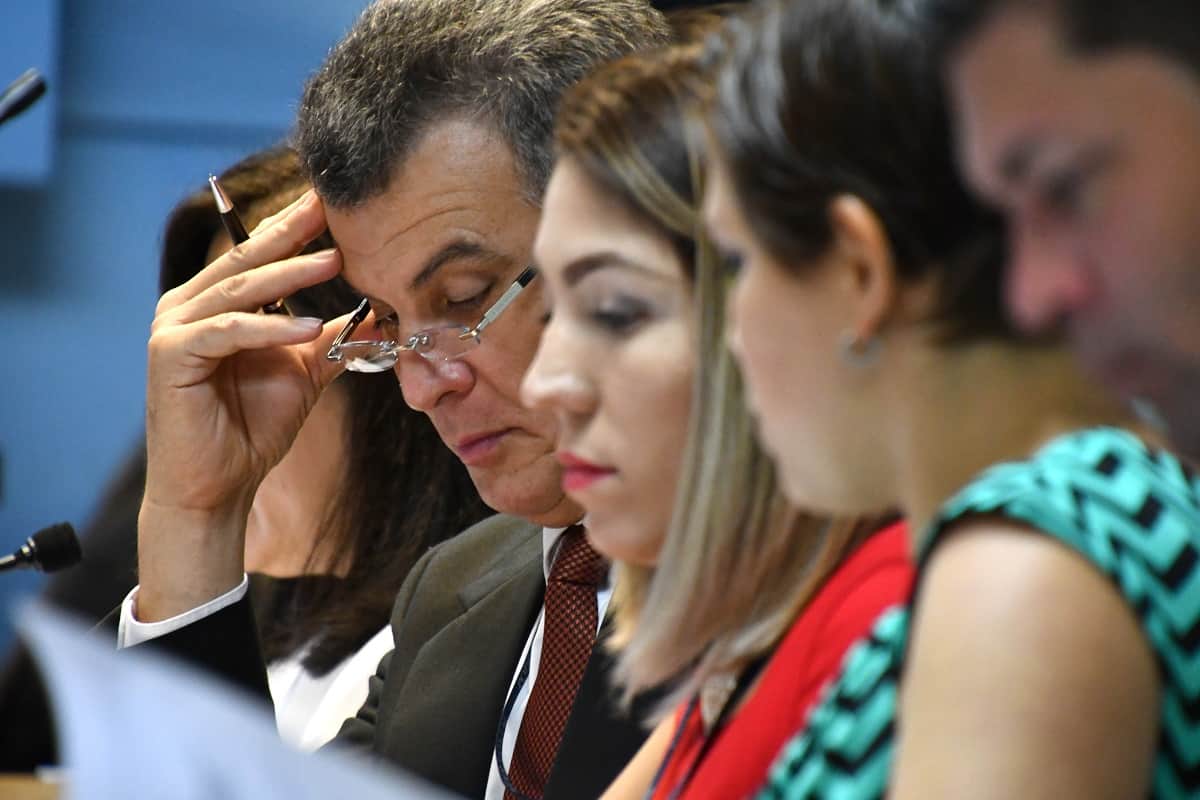
A trial of four Costa Rican doctors and a Greek pizzeria owner accused of running an illegal organ trafficking ring in Costa Rica began on Monday in San José.
The five members of the ring allegedly sought out people with financial problems who were willing to sell their kidneys for between $6,000 and $20,000, mostly to Israelis but also to European clients willing to pay as much as $100,000 each. Surgeries to remove the organs were allegedly carried out in private clinics in San José.
The trial is expected to run through November 30, with a bench of three judges deciding the verdict.
Read more: Prosecutors charge 5 in organ trafficking ring
According to the prosecution, the ring was led by Francisco José Mora Palma, head of the nephrology unit dealing with kidney diseases at the public Calderón Guardia Hospital in the capital.
The other three doctors accused are urologists Fabian Fonseca Guzmán and Massimiliano Anunzia Mauro Stamati, and peripheral vascular specialist Victor Hugo Monge.
The Greek man, Dimosthenis Katsigiannis Karkasi, was accused of using his pizzeria near the hospital as the place to find and meet with potential organ sellers and linking them up with the doctors in exchange for money. The New York Times took an in-depth look at the international and local aspects of the ring in a 2014 feature.
The five men were arrested in 2013 and are suspected of having illegally carried out 14 kidney transplants. The investigation into the case ended in 2014, and preliminary hearings for the trial started in July 2015.
Prosecutors are set to call on 25 witnesses to substantiate their case, including a former policewoman who is said to have worked with the ring after selling her own kidney, and who agreed to testify against the defendants.
If convicted, the doctors and Katsigiannis Karkasi risk prison. Selling an organ is illegal in Costa Rica. Living organ donations are legal, but only without monetary or other compensation or under duress. The traffic of persons for the purpose of organ harvesting is punishable in Costa Rica by up to 10 years in prison under Article 172 of the Penal Code.
The pizzeria owner could face six to 10 years behind bars if convicted. For the doctors, because the charges involve abusing their professional status to commit a crime, the sentences could be eight to 16 years.





