

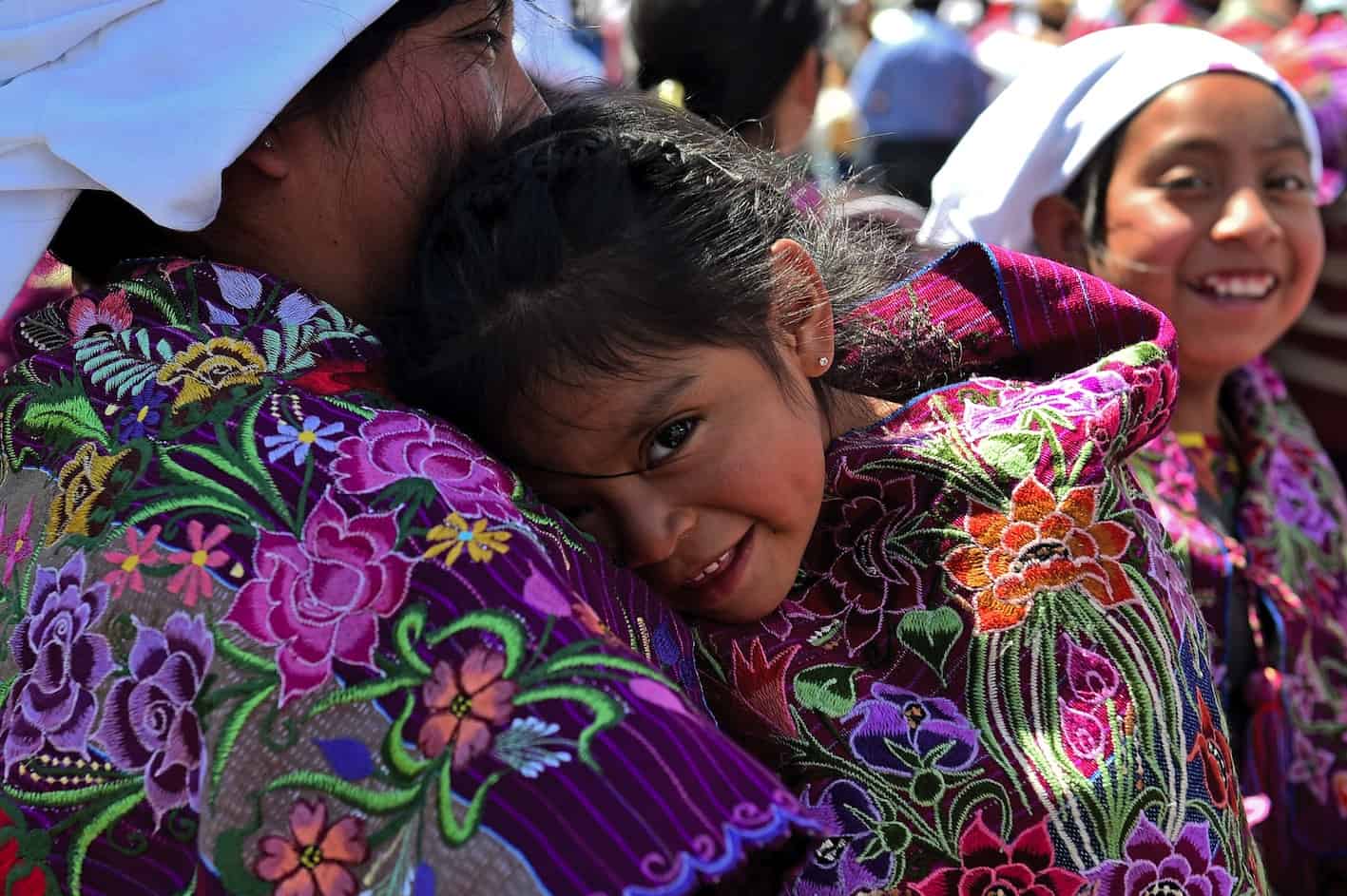
For the crowd overflowing the soccer field here in the southern state of Chiapas and for those perched on the hillsides behind police lines, the pope’s visit seemed to be a welcome honor for an often downtrodden and forgotten part of Mexico.
“We’re happy because this is the first visit of a pope here,” said Méndez, who came from the Chiapas town of San Juan Chamula for the service. “People should respect us, because we’re humans, too.”
Francis on Monday continued to tug the poor into the center of the discussion, expanding on his earlier messages in Mexico City that lambasted government corruption, drug trafficking and a political elite that tends to ignore the troubles of the masses. Parts of the ceremony were presented in three indigenous languages — Bibles were also passed out in these tongues — and the pope’s homily addressed the importance of respecting these cultures and protecting the environment.
“The environmental challenge that we are experiencing and its human causes affects us all and demands our response,” Francis said. “We can no longer remain silent before one of the greatest environmental crises in world history.”
Chiapas, with some of the most biodiverse jungles in the country, has been the site of intense conflict in recent years between those hoping to preserve protected areas and residents, including the indigenous, pushing into the forest for agriculture and other uses. A former Mexican environment secretary, Julia Carabias, was kidnapped two years ago as part of this conflict in the Lacandón Jungle, the largest rainforest of its kind in North America.
When it comes to protecting the environment, the pope told the crowd, “you have much to teach us.”
The pope’s presence here, beyond highlighting the less fortunate and caring for the earth, also serves a strategic purpose for the Catholic Church, which has lost ground in indigenous territory to other religions such as evangelical Christianity. The state is among the least Catholic in the country.
Catholic Church leaders in Chiapas, which has about 1 million indigenous people, have been controversial in the past for incorporating indigenous customs and culture, such as allowing deacons to be married, which has been criticized by the Catholic leadership elsewhere. Francis again allowed married deacons here to be ordained two years ago.
The pope on his current trip honored the legacy of the late bishop of San Cristóbal de las Casas, Samuel Ruíz, who was famous for this type of hybrid innovation. He was criticized for aligning with liberation theology and for helping fan the flames of the Zapatista uprising, which started in Chiapas in 1994.
But Francis has shown himself more amenable to incorporating local flavors to keep the church vibrant. He also arrived with a decree on Monday that indigenous languages Tzotzil, Chol and Tzeltal could be used in services. Andrew Chesnut, a religious studies professor at Virginia Commonwealth University, said that the inclusion of the indigenous in the ministry here has “tremendous significance.”
“It’s the indigenous of Chiapas who’ve most abandoned Catholicism in Mexico despite Bishop Samuel Ruíz’s herculean efforts to acculturate the faith to the local Mayans,” he said.
Thousands of those Mayans slept outside on the ground on Sunday evening as they awaited the pope’s arrival by helicopter. Many of the streets of this cobblestone colonial town were clogged with barricades, soldiers and police as crowds crammed together to try to get a glimpse of the passing pontiff. “The forgotten border welcomes you,” read one banner in the crowd.
“We wanted to come follow the love of Christ and mamita María,” said María Cruz Vázquez, who traveled for seven hours with 12 relatives from her home in Tabasco to see the pope. “For us, the indigenous here, this visit is very important.”
“We want to renovate our Catholic faith,” Leticia Arias Cruz, a 38-year-old maid, added. “The new generation is changing to the other religions.”
© 2016, The Washington Post
See also: Minaret and Muslims in Mexican city set to host pope





