

MEXICO CITY – Even as much of Latin America engages in almost hyperbolic celebrations over the renewed diplomatic ties between Cuba and the United States, the continent is facing two major challenges. The first – declining economic growth, to less than 1 percent, on average, across the region – has been discussed at length, with the prevailing explanation being that China’s slowing economic growth has suppressed commodity prices and, thus, Latin America’s export revenues. But it is the second – the resurgence of corruption – that is proving most interesting.
Latin America has been plagued by corruption for centuries, ever since it emerged from what the Mexican poet Octavio Paz called the “patrimonialist” nature of Spanish and Portuguese colonial rule. What is different today is the response to it, with societies and institutions refusing to remain complicit in corruption, or resigning themselves to its inevitability.
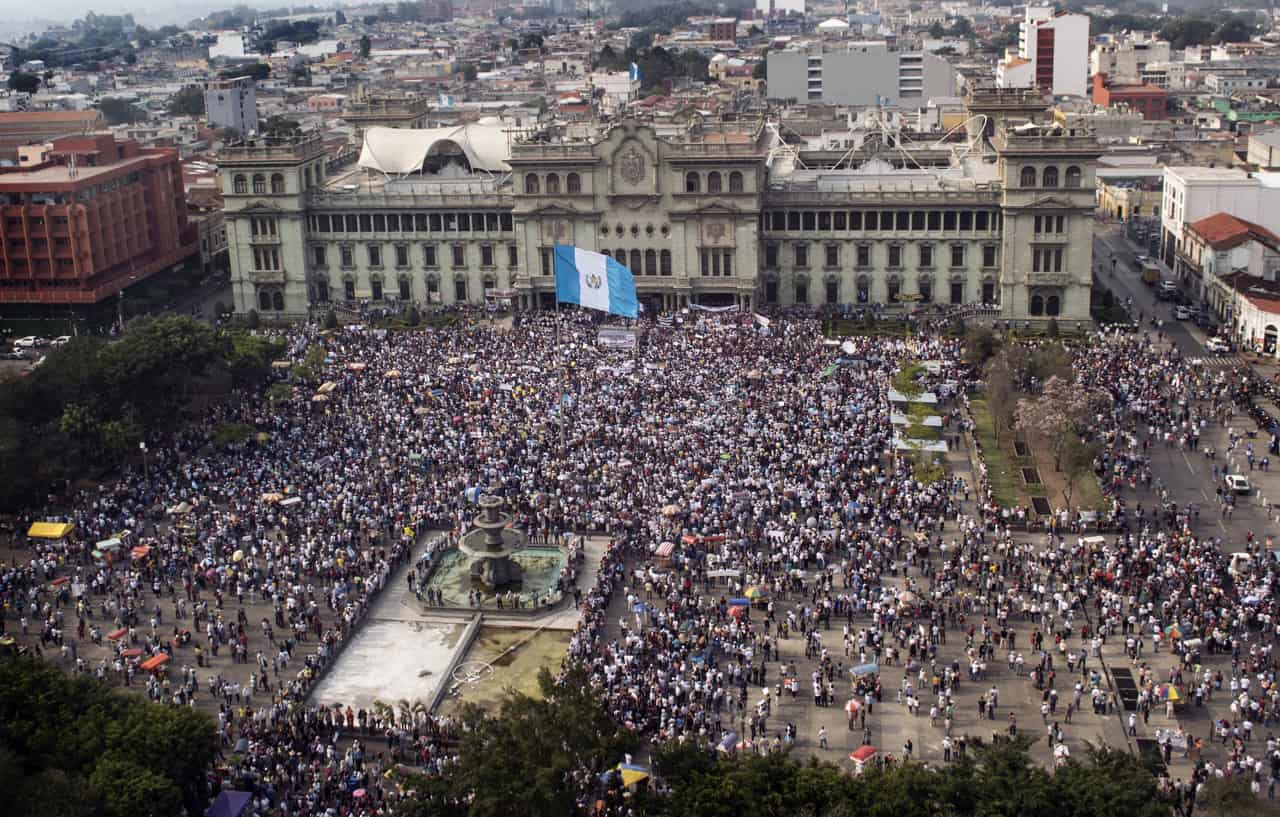
This attitude is exemplified in the proliferation of trials, investigations, demonstrations, convictions, and resignations relating to corruption, particularly in Brazil and Venezuela, and to a lesser extent Mexico and Guatemala. In all four countries, major scandals have erupted, with high-level government officials and business leaders being denounced by the media, the justice system, foreign governments, and/or the local opposition. Though none of the governments implicated in the scandals will collapse – at least not exclusively because of corruption – the sheer scale of the social and political protest, not to mention legal action, is astonishing.
The most shocking story has unfolded in Brazil. Late last year – at a time when discontent was already widespread, with protests against excesses and abuses in the preparations for last year’s World Cup having erupted in 2013 – the so-called petrolâo scandal hit. Huge sums of money, it was revealed, had been transferred directly, or via immense construction companies, from Brazil’s state oil company Petrobras to President Dilma Rousseff’s Workers’ Party.
Whistle-blowers and protected witnesses provided details of the graft to Brazilian judges, who pursued Petrobras officials, politicians, and the CEOs of the corporations under investigation. Both Rousseff and her predecessor, Luiz Inácio Lula da Silva, have been accused of graft and influence-peddling. Though Rousseff managed to hold onto power in the December election, which she won by a small margin, there is no denying that political crisis has engulfed Brazil, plunging the country into a deep recession.
See: Rousseff’s horror movie may only get worse in 2nd half
In Venezuela, accusations leaked by the United States government suggested that many of the country’s leaders – including Diosdado Cabello, the head of Congress and President Nicolás Maduro’s closest aid – had not only enriched themselves, but did so partly through links with Colombian drug cartels. With Venezuela’s economy deteriorating sharply, and violence and human-rights violations proliferating, Maduro has been forced to call elections for this coming December. Polls indicate that, despite a rigged electoral system, his party will suffer serious setbacks. He may even lose his majority in Congress.
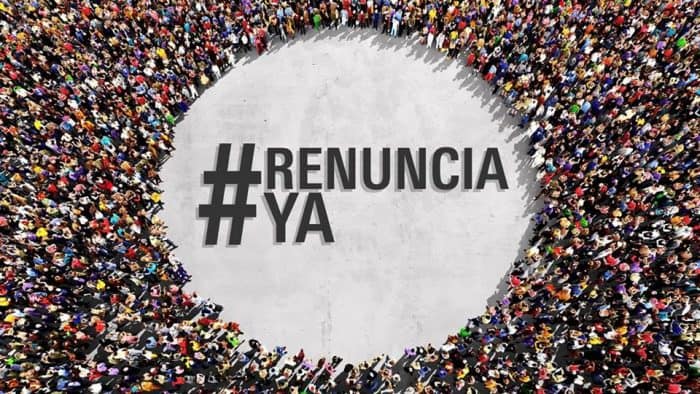
Guatemala’s situation is not as dramatic, economically speaking, but there is enormous pressure on President Otto Pérez Molina to resign, as corruption accusations fuel mass street demonstrations. Indeed, although Pérez Molina survived an impeachment motion this June, he may well not end up serving out his term, which ends next year. He has already been forced to accept the resignation of his vice president, Roxana Baldetti, and several Cabinet ministers.
Mexico’s situation is more complex. The country has long had an unparalleled reputation for corruption. But, since the late 1990s – and especially after 2000, when the Institutional Revolutionary Party (PRI), which had ruled for 70 years, was swept from power – Mexico has made significant inroads in combating the practice, at least at the federal level.
While some feared that, when PRI returned to power in 2012, they would bring their corrupt old ways, others believed that President Enrique Peña Nieto was different. And, in some ways, the optimists were right; over the last three years, Peña Nieto has undertaken important, path-breaking reforms. But, when it came to corruption, they turned out to be very wrong – a fact that became apparent last year, when local and international media uncovered a raft of corrupt activities, from awarding contracts to friends to purchasing houses from the same friends at below market prices.
In the wake of the revelations, Peña Nieto’s popularity plummeted. Though his party managed to hold onto its majority in the lower house of congress, it received only 29 percent of the vote, its lowest share ever. Calls for the president’s resignation have foundered, but the near-unanimous conclusion is that this government is Mexico’s most corrupt since the late 1980s.
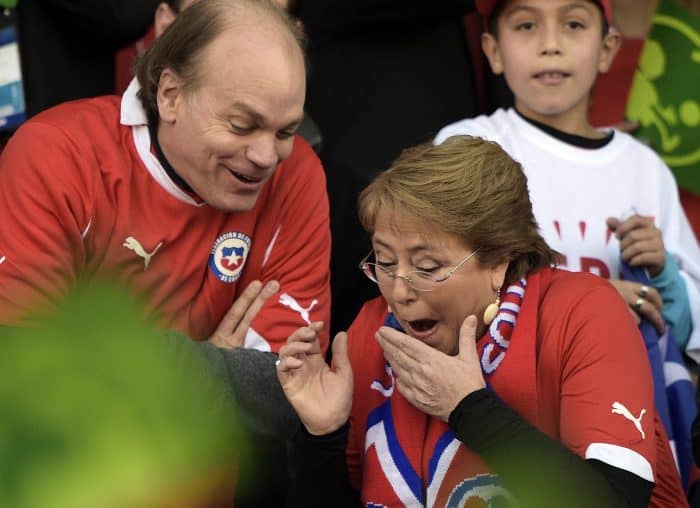
Many other Latin American countries are in similar situations. In Chile, Michelle Bachelet is facing the most important political crisis of her presidency, and perhaps since the return of democracy in 1989. It began with accusations of influence-peddling against Bachelet’s son and daughter-in-law, and continued with the emergence of other scandals, possibly involving Cabinet ministers and other aides. Bachelet tried to show voters she was taking the issue seriously, requesting the resignation of the entire government (though several key aides were either re-appointed or shuffled into new posts). In any case, her popularity ratings have dropped to remarkably low levels.
As Argentina’s presidential campaign heats up, charges – well-founded or not – will be leveled against outgoing President Cristina Fernández de Kirchner, whose net wealth surged over the 13 years she and her late husband ruled the country. Similarly, Nicaraguan President Daniel Ortega’s proposal to build an inter-oceanic canal in his country (with a shady Chinese businessman supposedly footing the massive bill, which could amount to anywhere between $55 billion and $100 billion) is largely believed – though without proof – to be a money-making scheme for his family.
Clearly, Latin America’s immense strides in consolidating democracy over the last 30 years have done little to eradicate one of its longest-standing scourges. But it now has a renewed source of hope: its burgeoning middle classes, the product of 15 years of impressive economic and social progress. These new middle classes are demanding better governance, and they will not rest until they get it.
Jorge G. Castañeda, former Mexican Secretary of Foreign Affairs, is Global Distinguished Professor of Politics and Latin American and Caribbean Studies at New York University.
© 2015, Project Syndicate
www.project-syndicate.org





