

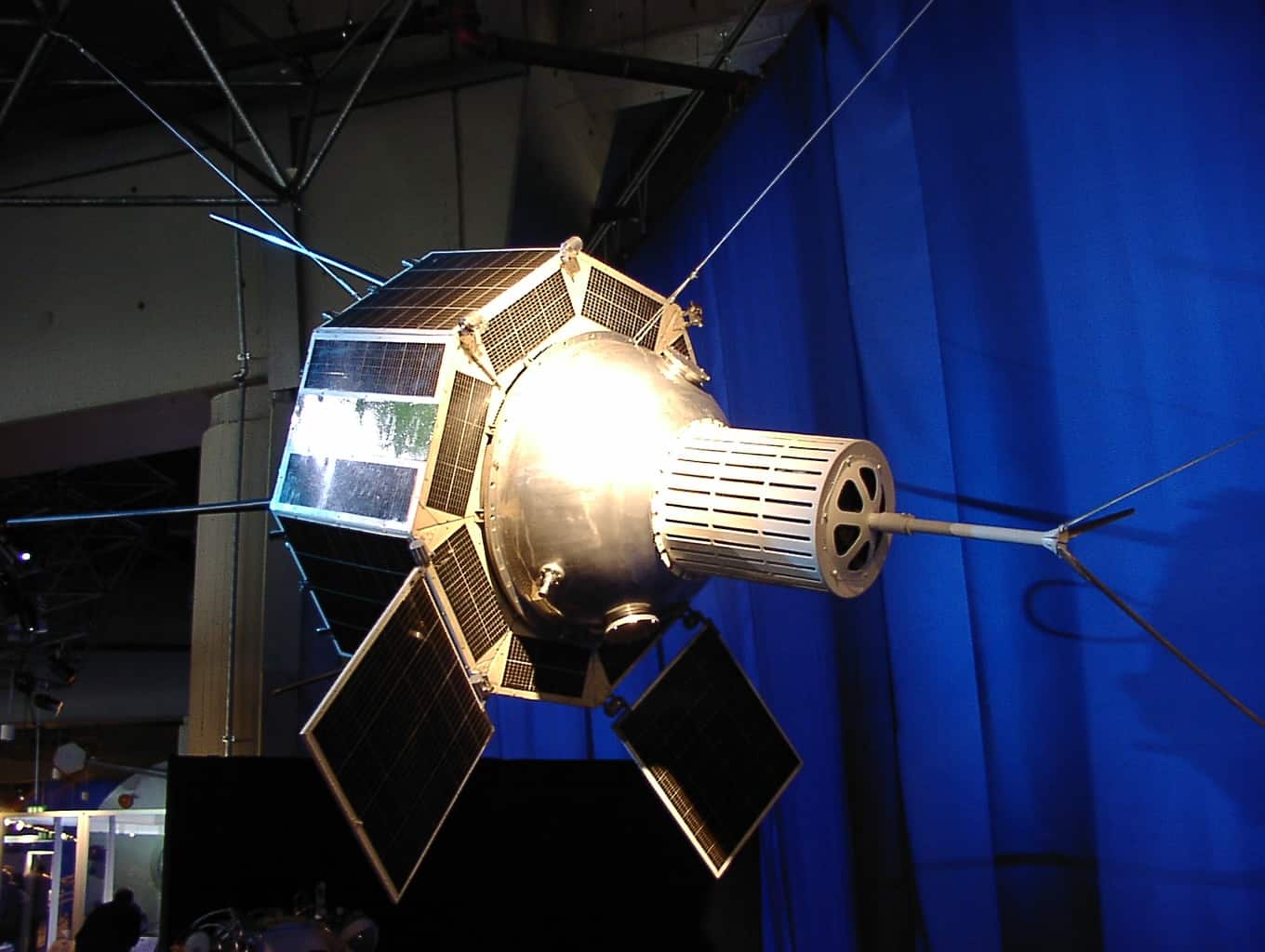
MANAGUA, Nicaragua – Nicaragua’s legislature approved an agreement with Russia on Tuesday that would allow Russia to place satellite bases for civilian purposes in the Central American country.
Opposition legislators decried the agreement and described it as a “white elephant,” according to congressional sources.
The decree, presented as urgent last week by President Daniel Ortega, was backed by 63 congress members from the ruling party and two allies, and was voted against by 23 opposition legislators.
The agreement allows Moscow to set up land stations in the country for its satellite system known as Glonass. The agreement was signed in 2012 by the governments of Nicaragua and Russia.
Glonass, which is managed by Russia’s Federal Space Agency, is equivalent to the United States’ Global Positioning System.
Nicaragua is one of more than 30 countries Moscow is negotiating with to set up satellite stations to be managed by the Russian space agency, according to Russian Ambassador in Managua Nicolay Vladimir.
Independent Liberal Party Congresswoman María Sequeira, who voted against the agreement, said Russia should focus its cooperation with the country on developing a real democracy, “and not going around with white elephants that don’t do anything for the people and rather make them afraid and wary.”
The legislator criticized the urgency assigned to the draft bill from the executive branch.
On the other side, Edwin Castro, head of the ruling Sandinista National Liberation Front bloc, said satellites would help the country exchange scientific and cultural information on climate change and agricultural production, among other benefits.
“If we think of climate change and natural disasters, we must back the agreement,” Castro said.
Russia provides aid to Nicaragua in many forms, including economic, military, natural disaster response, anti-drug trafficking, public buses and wheat.
Managua and Moscow restored relations after Ortega’s return to power in 2007, and strengthened them after the Nicaraguan leader recognized the independence of South Ossetia and Abkhazia.





