
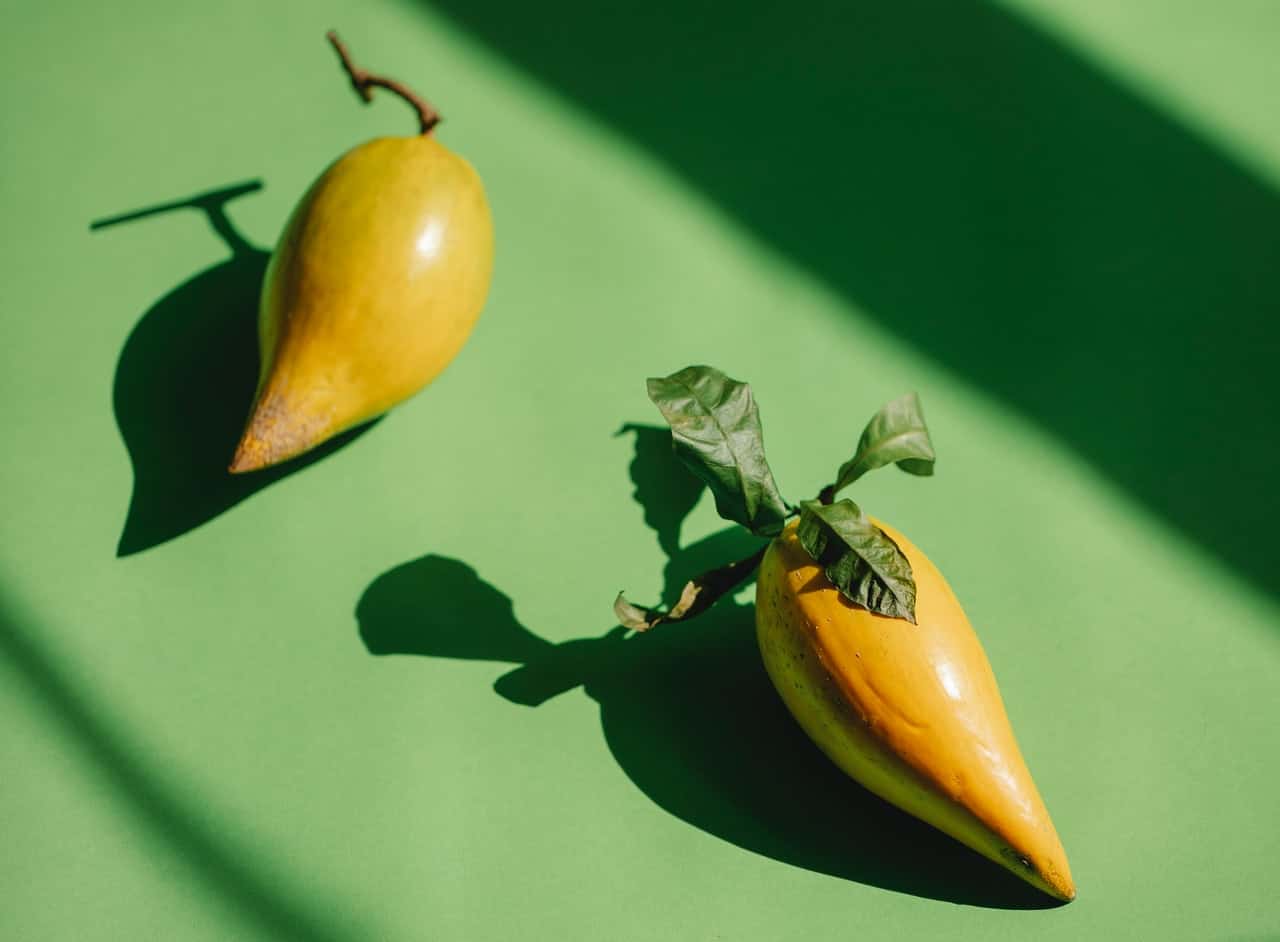
Here’s a rare tropical fruit that rates high on the collection list of home gardeners. Canistel, yellow sapote, eggfruit or zapote amarillo are just a few of the common names for Pouteria campechiana Baehni, which is believed to have originated in Mexico, Belize, Guatemala and El Salvador, where it can still be found growing wild.
Canistel is also grown in Costa Rica, Nicaragua, Panama, Puerto Rico, Jamaica, the Bahamas, southern Florida and the Florida Keys.
I have fond memories of trying it for the first time while I was living in Key West, Florida. This unusual fruit has a very sweet, yellow pulp that has a texture much like the yoke of a hard-boiled egg.
It is so rich and filling that it’s often difficult to eat several in one sitting. These fruits are usually about 6-10 centimeters long and have a green to yellow color, depending on their ripeness. Because they usually taste overripe when they fall from the tree, most gardeners pick them green to ripen in the kitchen.
The canistel tree is an erect and generally small tree, 4-8 meters tall with a spreading crown and a brown, furrowed bark with a white latex. Young branches are velvety brown, with evergreen, alternate leaves that are lanceolate in shape.
Canistel is a truly tropical tree that grows best in the warmer regions of the tropics up to 1,400 meters in altitude. These trees grow in a wide range of soils, particularly the poorer red clay soils commonly found in the tropics.Canistel is easily propagated by seeds, which sprout quicker if the hard outer shell is scarified before planting.
Use a file to scar the outer shell of the seed to permit moisture to enter it when planted; this shortens the germination time to weeks instead of months. Commercial nurseries often use grafting to maintain the best selections and to hasten the fruiting of young trees.
Seedlings take three to five years to bear their first harvest. Though the trees require no special attention, a regular schedule of fertilization will improve growth and production.
Fortunately, very few pests attack these trees, making them ideal for the home garden, and they do well in regions with a long dry season. Canistel harvest times in Costa Rica vary from June to September. Canistel fruit can be used to make excellent blended drinks, pancakes, breads and jams.
According to Julia Morton, author of “Fruits of Warm Climates,” these fruits are rich in niacin and carotene (provitamin A) and contain a fair amount of ascorbic acid and riboflavin. All in all, you’ll find canistel an excellent addition to your tropical fruit orchard. It’s a novelty fruit that’s fun to share with your friends and neighbors.
Author Ed Berhardt 05