

See also: Fix the immigration crisis at its root
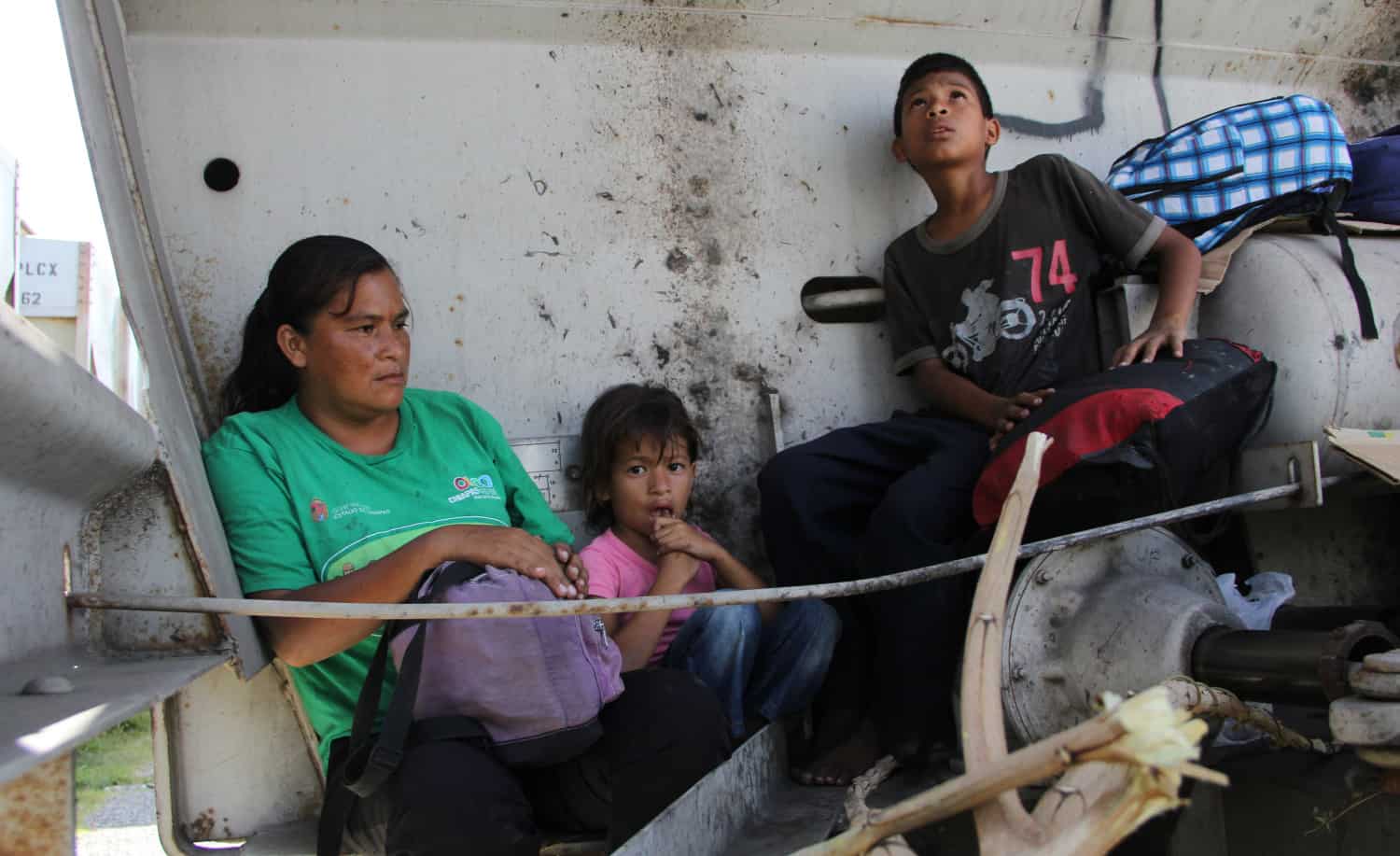
Following a summer and fall filled with headlines about Central American children and other undocumented immigrants crossing into the United States, fleeing violence at home and perpetuating inaction in Congress, U.S. President Barack Obama was again faced with a desperate immigration situation. Through executive action, the president issued orders to help allow certain undocumented immigrants to remain in the United States with the option to work legally, as well as to pay into and benefit from the Social Security system.
President Obama’s executive action has an impact on five million immigrants, most of whom are in the country illegally, have lived in the U.S. for five years or more, or are parents of children who are U.S. citizens or green-card holders. Obama also added protection for professionals and “talented entrepreneurs” who bring creativity and a wealth of knowledge to various sectors of the economy, and added funds to ramp up both border protection and the deportation of criminals. Finally, in an extension of the Differed Action For Childhood Arrivals, children brought into the country illegally are also a part of the expanded protection.
While the executive action grants a three-year work permit and tax benefits, including the Earned Income Tax Credit, there is no path to citizenship or a green card available, nor is there coverage through the Affordable Care Act. This type of protection requires an act of Congress; however, the U.S. House of Representatives has put into jeopardy millions of young immigrants and their families as the Republicans tried to tear down both the 2014 executive action and the president’s previous executive action on immigration from 2012. This repeating cat-and-mouse game between the president and Congress only further delays concrete action on repairing one of the most dysfunctional systems in the federal government. Without repairing the broken system, problems with undocumented workers and immigrants are destined to persist no matter how many executive actions the president issues.
What does this situation mean for Central American immigrants? Given the status quo, immigrants who are entering, existing in, and exiting the system are being funneled through an overloaded process that is designed to fail. In today’s reality, undocumented immigrants are constantly evading immigration officials, seeking and rarely receiving amnesty, or getting deported. If they are given amnesty, they will more than likely struggle to find adequate employment and therefore become reliant on government programs and assistance. This despairing situation for immigrants is only compounded by the strain it puts on the U.S. government to pay for entitlements for people who are fated to live off the system.
Without these executive actions or a concrete congressional action in place, immigrants from across Central America face the very real threat of the destabilization of their families. Obama’s action brings security to family members home and abroad, and helps to maintain and build steady income. However, without a bipartisan effort and meaningful action from Congress, this security will be short-lived.
What’s more, we must recognize that immigration reforms of this nature are only a Band-Aid, failing to address the true reasons why millions are fleeing their Central American homes. Each Central American country, with support from the United States and other allies, needs to find ways to crack down on organized crime including extortion, drug-trafficking and murder, and to decrease the number of immigrants fleeing on humanitarian grounds. It is not an innovative or new solution, but a difficult and necessary one. Making things better at home through improved economic conditions and lower crime rates are key to stopping the rush of undocumented immigrants. Finally, the United States must develop a system that helps identify individuals who are truly seeking humanitarian relief and deliver them the aid and security they seek.
Immigrants living in the United States add value to the country, which can no longer afford (literally and figuratively) to let these people be placed on the back burner. As U.S. debt continues to grow, its government must be mindful of finding and implementing solutions that will bring long-term and sustainable results to the immigration woes of the Americas. Without a bold U.S. Congress and dedicated change in Central America, we are destined to continue to kick the can down the road and gamble with the fate of millions of immigrants.
Melanie Furey is a research professional from Cleveland, Ohio, working abroad in Ciudad Colón, where she is conducting independent research on U.S. foreign policy, Costa Rica and Central American issues and other related topics. She holds a bachelor’s degree in economics from Allegheny College and a master’s degree in international relations from Cleveland State University.





