

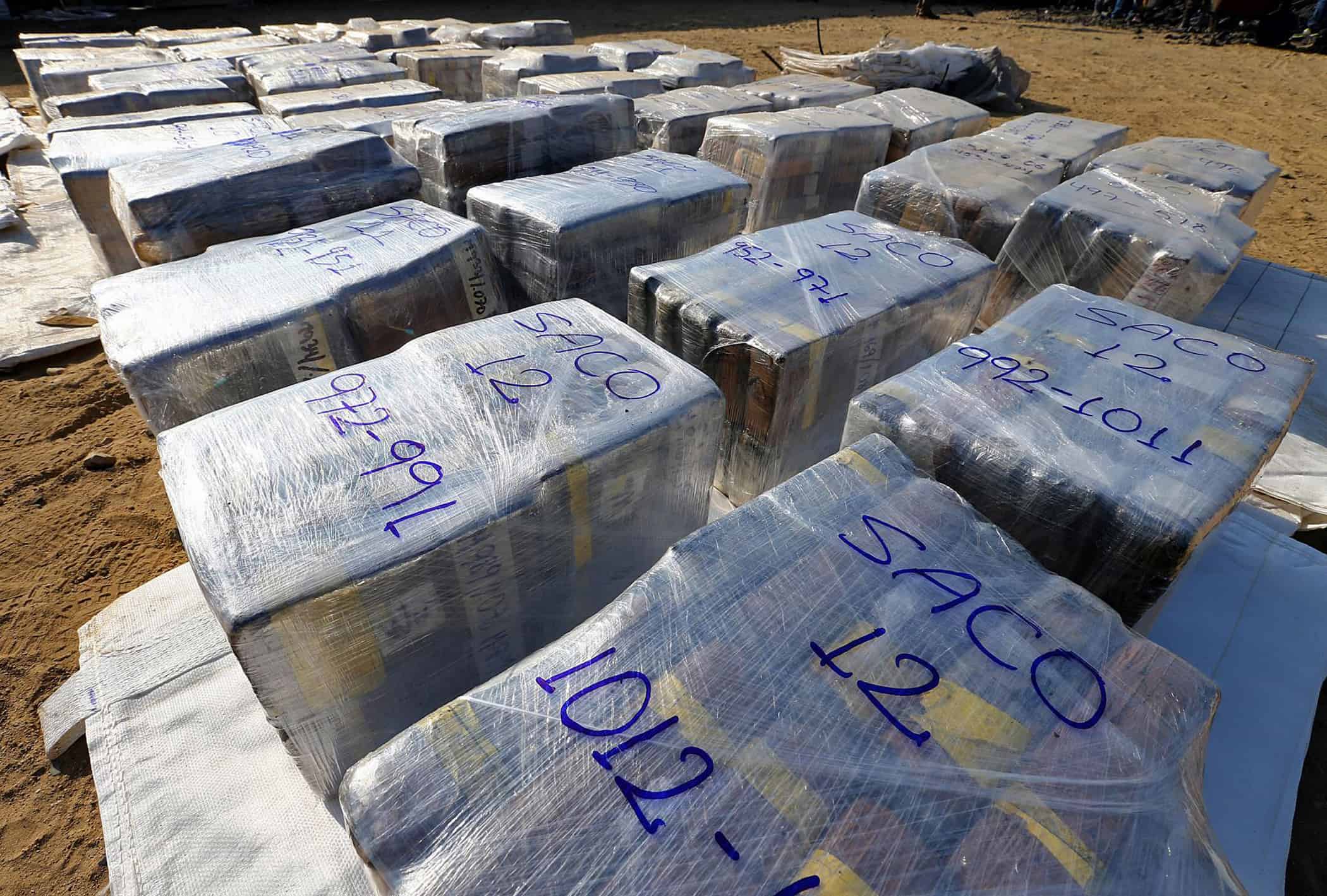
The U.S. Department of the Treasury has sanctioned a prominent Costa Rican drug trafficking and money laundering group, highlighting our nation’s position as a critical link in the global cocaine supply chain. The Office of Foreign Assets Control (OFAC) named five Costa Rican citizens and five local companies for their part in moving large amounts of cocaine from Colombia through Costa Rica to markets in the United States and Europe.
Leading the group is Luis Manuel Picado Grijalba, alias “Shock,” identified by U.S. authorities as a top cocaine trafficker in the Caribbean region. He worked with his brother, Jordie Kevin Picado Grijalba, alias “Noni,” to run an operation that brought drugs into Costa Rica mainly by sea, held them in storage facilities nationwide, and hid them in cargo containers for export.
“The Trump Administration will not allow narcotraffickers to poison Americans,” stated Treasury Secretary Scott Bessent. He stressed that every link in the drug chain, from transporters to those handling finances, faces consequences.
The Moín port, operational since 2019, serves as a main entry and exit point for these shipments. Security forces report that rival criminal factions have clashed over dominance of the port and nearby zones, driving up drug-linked killings. OFAC pointed out that these measures extend prior efforts against figures who have turned Costa Rica into a vital drug pathway.
The Picado Grijalba group grew its reach by partnering with other traffickers and enforcers, including a team of hitmen under Tonny Alexander Peña Russell. Authorities link Peña Russell to dozens of homicides ordered by Shock. Family ties also supported the laundering side, with businesses like investment outfits and a beauty salon used to clean illegal funds.
Law enforcement in Costa Rica and the U.S. have scored key wins. Shock was captured in the United Kingdom in December 2024 and remains in custody as extradition proceedings continue. Noni faced arrest in Costa Rica in August 2025, with a court approving his potential handover to U.S. officials in December 2025. Peña Russell, detained in 2024, stands accused of 78 murders.
In November 2025, Costa Rican police raided sites in Limón and San José connected to the Shock and Noni network, detaining 30 suspects. These actions reflect ongoing joint work to break apart cross-border crime rings. The sanctions freeze any U.S.-related assets of those named and bar Americans from dealing with them. Officials from the Treasury noted that the move stems from strong collaboration to cut off drug flows.
Costa Rica’s shift into a major transit spot stems from its coastal access and trade routes. Groups like this one ally with Colombian suppliers and figures such as Gilbert Hernan de Los Angeles Bell Fernandez and Edwin Danney Lopez Vega, previously targeted by OFAC. Such networks fuel local conflicts, with Limón seeing homicide rates far above the national average.
Authorities here have stepped up patrols and seizures at Moín, but challenges persist as traffickers adapt. The government has called for more resources to tackle the influx, amid concerns over rising community impacts. This development shows the need for sustained pressure on these operations. As Costa Rica deals with its role in the trade, U.S. support remains key to stemming the tide.
To read the full report visit: https://home.treasury.gov/news/press-releases/sb0369.





