

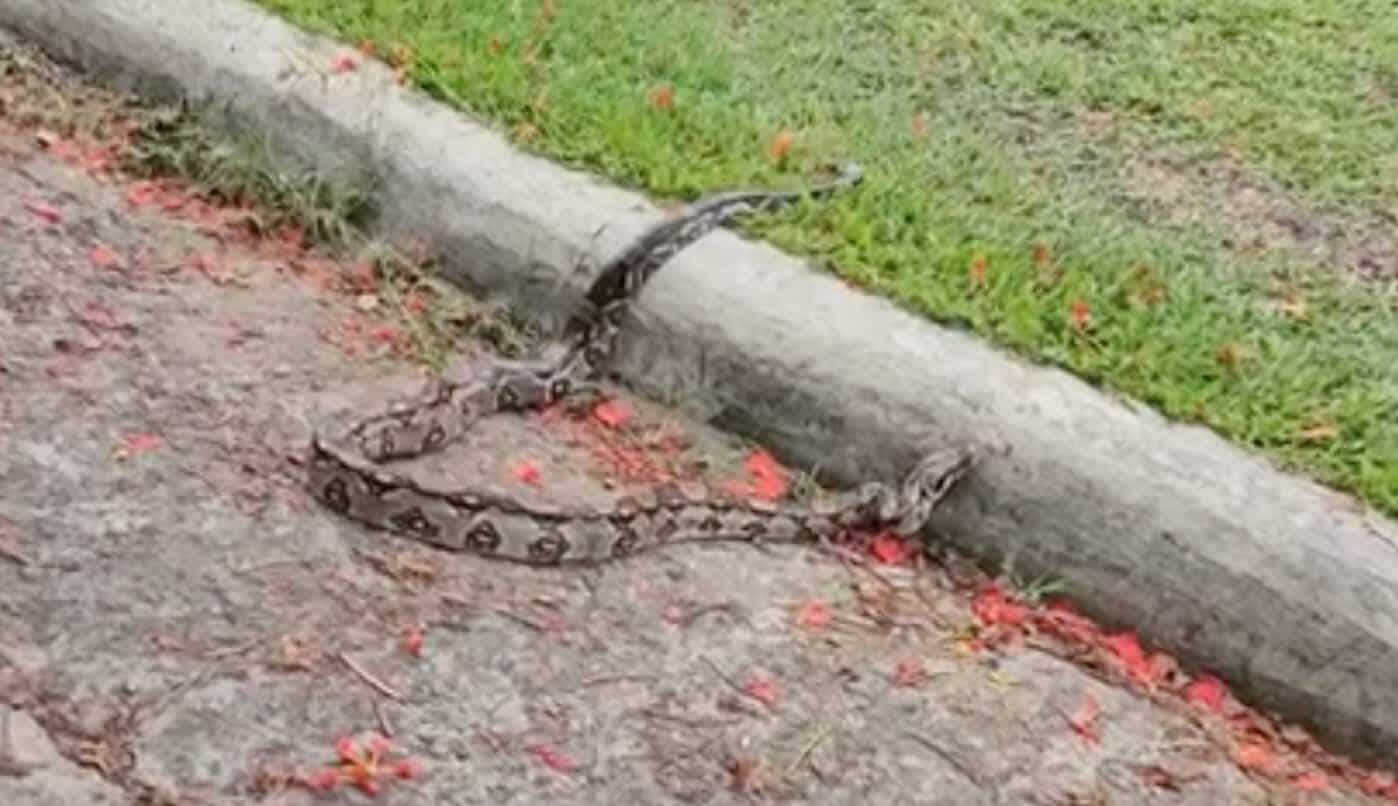
If you see an injured animal on Route 27, the toll highway between San José and the central Pacific coast, don’t pull over and try to pick it up. Slow down, keep your distance and call the highway’s 24-hour control center at 2588-4040. That is the advice from Route 27’s operator, Globalvia, and from specialists at Refugio Animal de Costa Rica, a wildlife refuge in Santa Ana. The highway has recorded 299 animal rescues since 2015, according to Globalvia.
The total includes 149 dogs, 58 cats and 92 wild animals. Among the wildlife were sloths, snakes, turtles, iguanas, birds, coatis and ocelots. An animal that has been hit by a car may be stunned, in shock or carrying a fracture you can’t see. Even one that looks calm can bite or lash out when you get close, and handling it the wrong way can make its injuries worse. Snakes and other potentially dangerous species add another layer of risk.
Stopping suddenly is a danger of its own on one of the country’s busiest highways. Brake gradually, don’t swerve, and give the drivers behind you time to react. Rodolfo Vargas, a biologist at the refuge, advises alerting other motorists without making sudden maneuvers. Don’t try to touch, capture or carry a wild animal yourself. Report it instead, so trained staff can deal with it safely.
The Route 27 control center answers 24 hours a day at 2588-4040. If the animal or the situation puts other drivers in immediate danger, call 911. For specialist advice on what to do, you can reach Refugio Animal de Costa Rica at 8828-0324. When you call, give your location as precisely as you can, ideally the nearest kilometer marker, along with your direction of travel. Say whether the animal looks injured and whether it is blocking a lane.
Route 27 recently trained 15 of its staff with specialists from the refuge. The course covered how to identify potentially dangerous species, how to recognize injuries and fractures, and how to handle animals safely. Montserrat Courrau, Route 27’s director of communications and corporate social responsibility, said every animal presents its own situation, which is why staff need to know how to handle each one correctly.
Globalvia says the highway has run its animal assistance and staff training program for more than a decade. The rescues are a small window onto a wider problem, as wildlife deaths on Costa Rica’s roads continue to mount and a new law requires wildlife crossings on public infrastructure.





