

Patients with stomach cancer in Costa Rica can face months of waiting for tests, biopsy results and treatment, according to a CCSS audit that found serious delays at several stages of the public healthcare system. The Caja Costarricense de Seguro Social (CCSS), identified seven cases in which patients waited between 55 and 247 days to begin treatment after their stomach cancer had already been confirmed.
Those seven cases do not represent the average waiting time for all cancer patients in Costa Rica. But the audit found a broader problem that can begin well before a patient receives a diagnosis. For many people suspected of having stomach cancer, one of the first important tests is a gastroscopy. The procedure allows a doctor to look inside the stomach and, if necessary, take a small tissue sample for a biopsy.
As of March, the CCSS had 31,736 gastroscopies waiting to be performed nationwide, with an average wait of 272 days, according to the audit. Some hospitals had much longer waits. Hospital San Rafael in Alajuela had 2,841 pending gastroscopies and an average wait of 876 days, or about two years and five months.
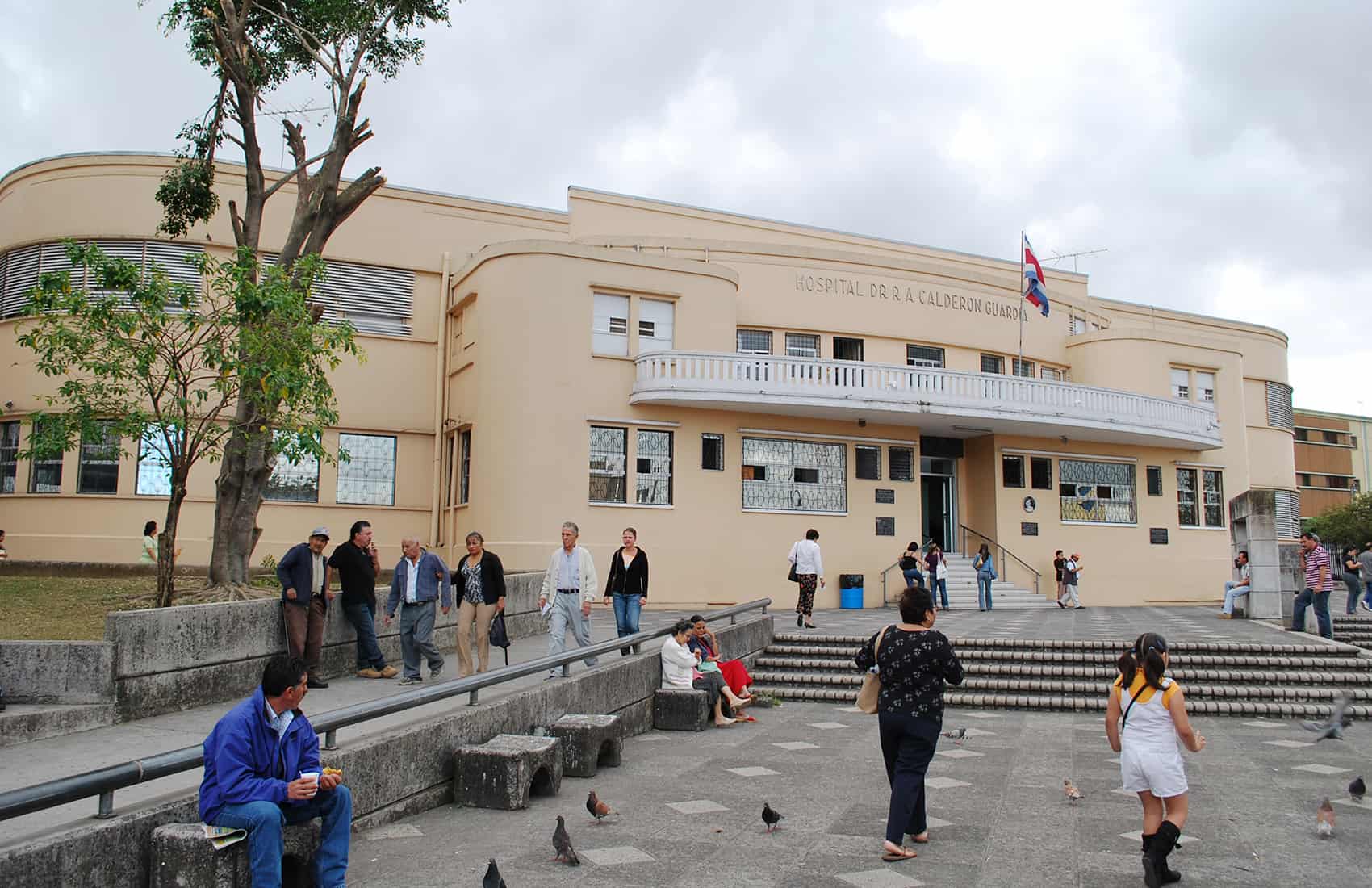
The Desamparados 1 health area reported an average wait of 807 days, while Hospital San Carlos had an average of 658 days. At Hospital Calderón Guardia in San José, 5,568 gastroscopies were pending, with an average wait of 459 days. The figures do not mean every patient suspected of cancer waits that long. Doctors can prioritize cases based on symptoms, medical history and urgency. But the audit found that the size of the waiting lists can make it harder to diagnose serious illnesses quickly.
CCSS officials have pointed to several reasons for the delays, including shortages of gastroenterology specialists, limited infrastructure, growing demand and a lack of available appointment slots. In many medical centers, a small number of specialists must divide their time between scheduled appointments, hospital patients, emergency cases and procedures such as gastroscopies.
The audit found that additional work shifts intended to reduce the backlog have not been enough to keep pace with demand. And getting the gastroscopy does not necessarily end the wait. When doctors find a suspicious area during the procedure, they can take a tissue sample that must be examined by a pathologist to determine whether cancer is present.
In December 2025, at least 220 biopsy reports were still pending, according to the audit. The average wait for those results was 29 days, although it reached 90 days at the National Geriatric Hospital and 35 days at Hospital San Rafael in Alajuela. The CCSS’s expected timeframe for those reports is generally between 15 and 30 days.
The audit attributed some of the delays to heavy workloads, shortages of pathology specialists and difficulties obtaining supplies needed to complete testing. Once cancer is confirmed, patients can face another waiting list if surgery is required. In April, the CCSS had 42 patients waiting for surgery for malignant stomach tumors. The average wait was 91 days.
Of those patients, 38 were classified as high priority, one as medium priority and three did not have a priority level recorded. The audit also found problems with the CCSS’s ability to track a patient’s progress through the system. The institution’s waiting-list unit does not have real-time access to pathology systems containing biopsy information. That can make it difficult for administrators to see where an individual patient is in the process and identify delays before they become excessive.
The findings are particularly important because stomach cancer is often more difficult to treat once it has reached an advanced stage. At Hospital Calderón Guardia, more than 60% of stomach cancers diagnosed were already considered advanced, according to information provided to the audit by the hospital’s Hematology-Oncology Department.
Internal reports also found that about 70% of those patients had died within three years. The audit does not establish that waiting lists caused those deaths. Cancer outcomes depend on many factors, including the stage of the disease when it begins, the patient’s overall health and the type of cancer.
Still, the findings highlight why early diagnosis is so important. The CCSS has programs and guidelines aimed at detecting stomach cancer earlier, but auditors found that those efforts are not yet operating as one coordinated national program covering prevention, early detection, diagnosis, treatment and follow-up.
There are also differences between healthcare facilities in how patients with possible warning signs or known risk factors are identified and followed. One important risk factor is infection with the bacterium Helicobacter pylori, commonly called H. pylori. The CCSS can test for the infection, but the audit found that testing has not been incorporated into a uniform national prevention strategy.
Costa Rica has been trying to expand access to earlier testing in some areas. Earlier this month, Hospital Juana Pirola in San Vito began offering endoscopic screening locally, allowing patients in Coto Brus to receive the procedure without traveling to other hospitals in the Brunca region. The hospital acquired equipment capable of performing upper and lower endoscopies and trained a surgeon at the CCSS’s Early Cancer Detection Center.
The broader waiting-list problem extends well beyond stomach cancer. A separate CCSS audit found approximately 1.44 million cases waiting for surgeries, medical procedures or specialist appointments as of March 2026. Diagnostic procedures represented the largest part of that backlog.
The CCSS has introduced additional shifts, special programs and other measures to shorten waiting times, but officials acknowledge that shortages of specialists, infrastructure limitations and growing demand continue to create pressure throughout the system. For stomach cancer patients, the new audit shows how those delays can accumulate.
A patient may first wait for a gastroscopy, then for the biopsy report, then for a specialist and finally for surgery or another treatment. In the seven cases highlighted by auditors, even patients who had already received a confirmed cancer diagnosis waited as long as eight months for treatment to begin.
That is the part of the process the audit says Costa Rica’s public healthcare system needs to address more effectively: making sure that once doctors suspect or confirm a serious disease, patients do not become stuck at the next step.





